A Look at the History of TravelAge West
From the beginning, TravelAge West has been at the center of the travel advisor community in the dynamic region of the West
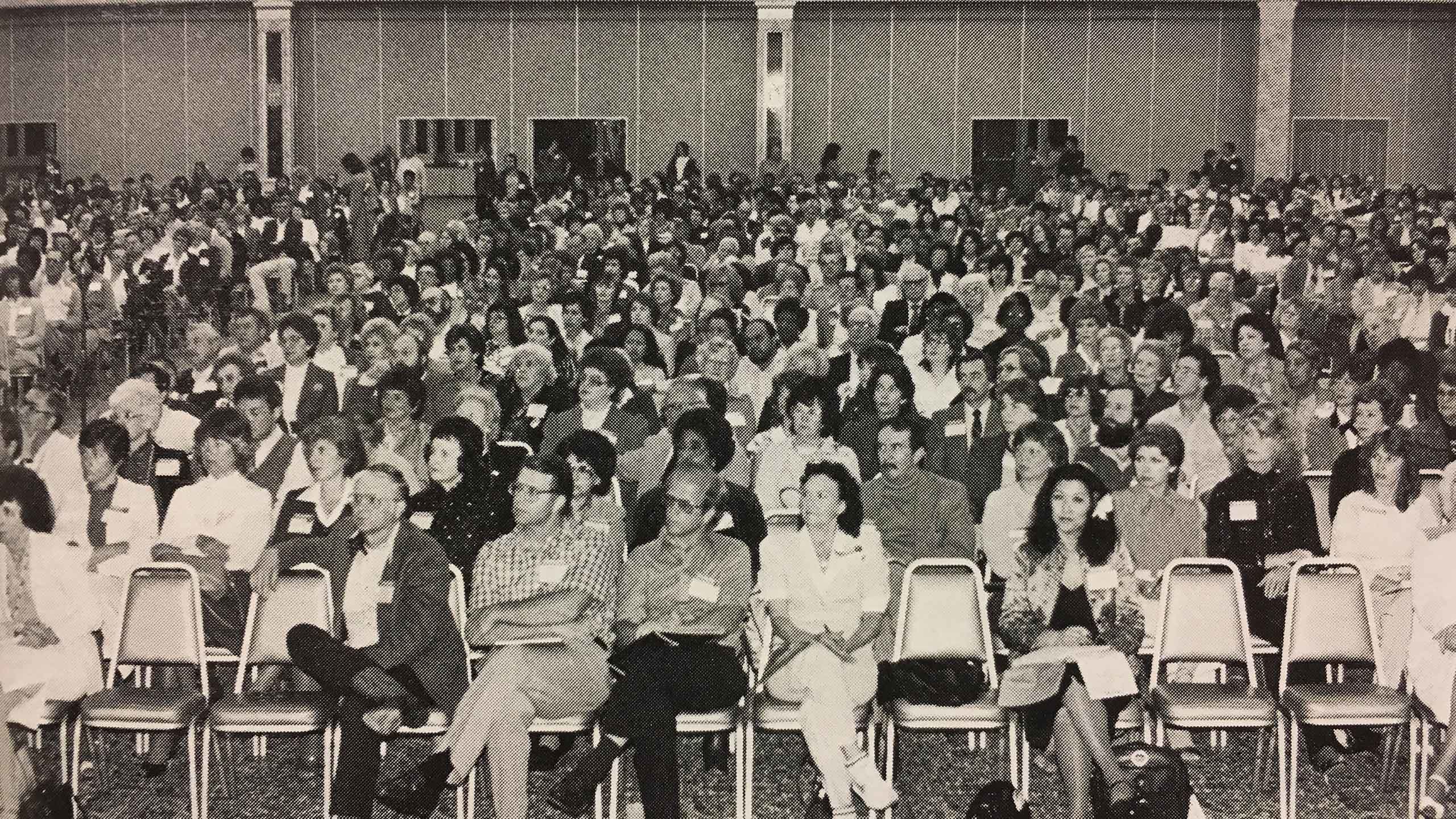

The history of TravelAge West is really a story about the growth of the travel industry in the West. Fifty years ago, conducting business in the Western U.S. was an afterthought to many established travel companies back East. But in the years since TravelAge West’s founding, the West has become a vital market for suppliers looking to remain top of mind with travelers.
“The Western U.S. has a big population of travelers — for example, I think the highest percentage of Americans who hold passports live in the San Francisco Bay Area — so the travel industry became very keen to reach out to this market,” said Laura Del Rosso, who served as TravelAge West’s Features Editor in the 1980s. “The magazine grew alongside the travel agent community, which was booming at the time.”
Martin B. Deutsch, the founder and first Editorial Director of the magazine, says that the brand’s local focus appealed to readers.
“When I would talk to the top businesspeople in the West, they would tell me how important the magazine was to them,” Deutsch said. “Travel icons like Peter Ueberroth told me that the first publication he read in the morning was TravelAge West because it focused on his market.”
“When I would talk to the top businesspeople in the West, they would tell me how important the magazine was to them. Travel icons like Peter Ueberroth told me that the first publication he read in the morning was TravelAge West because it focused on his market.”
Deutsch says that when it was created in 1969, the brand had two main differences from other travel trade publications.

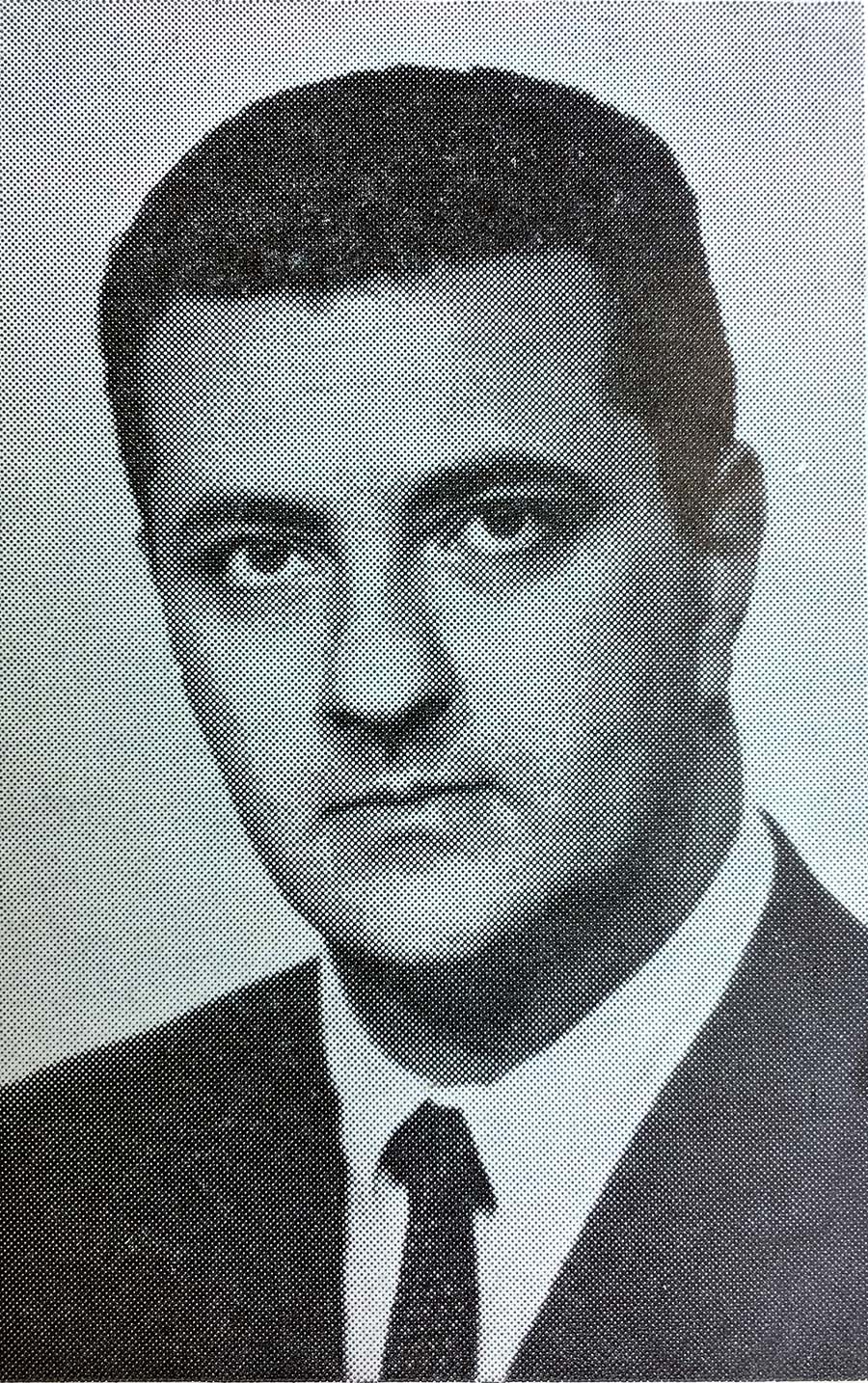
Martin B. Deutsch
Martin B. Deutsch
The first was its regional approach. At the time, along with TravelAge West, Deutsch launched several other titles, including TravelAge East, TravelAge MidAmerica, TravelAge Southeast and TravelAge Southwest.
“An agent in Southern California doesn’t have the same sales interest as an agent in Marion, Conn.,” Deutsch said. “So, we decided to regionalize the brand. But it was apparent from the beginning that ‘West’ would be the strongest title.”

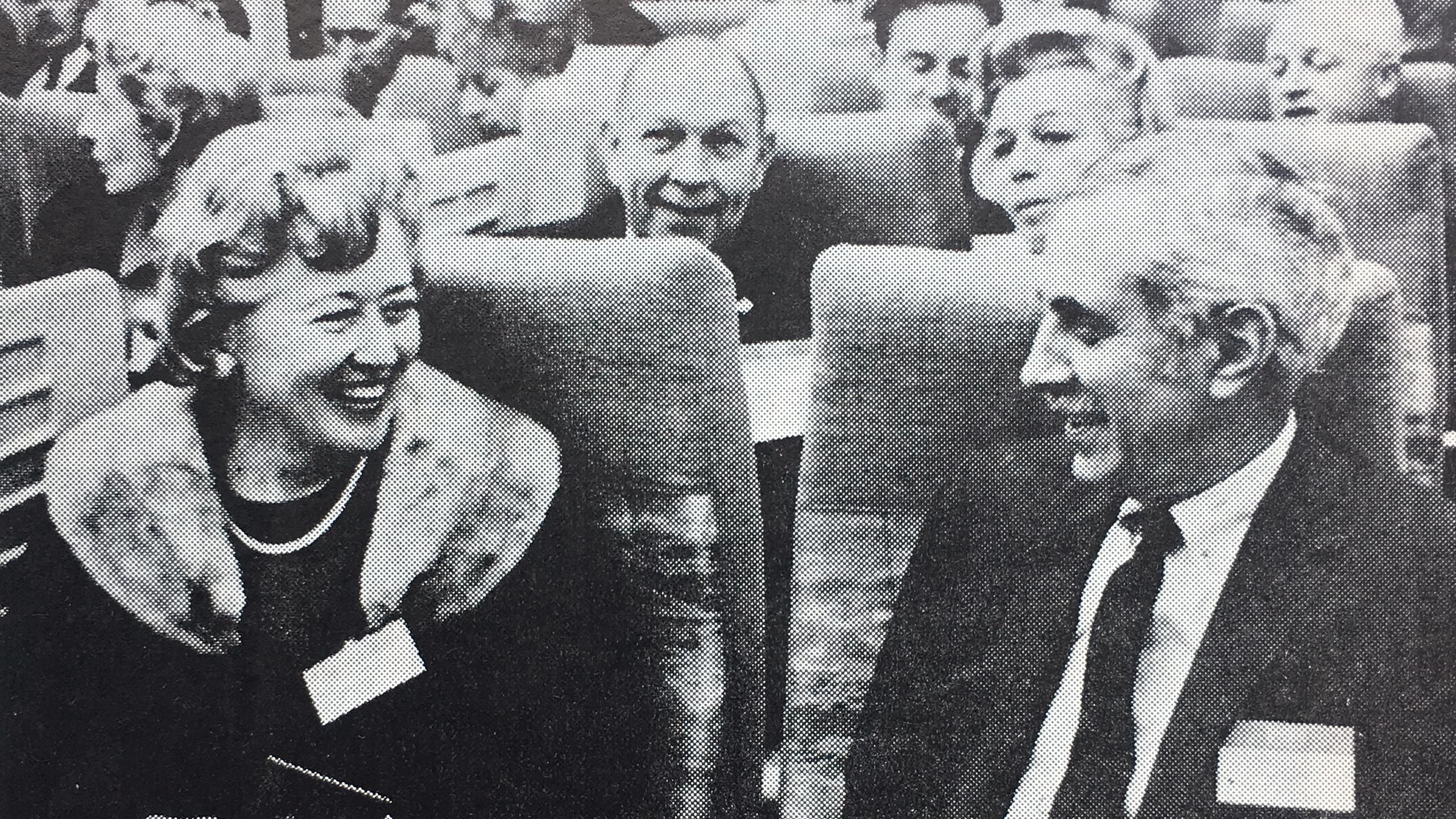
Western ASTA members in 1969 previewing a new jet © 2019 TravelAge West
Western ASTA members in 1969 previewing a new jet © 2019 TravelAge West
The second brand pillar was the publication’s focus on what Deutsch calls “the frontline troops.”
“Most travel trades were solely focused on agency owners, and they were generally very disparaging of the army of salespeople who actually sold travel,” he said.
Arthur Taylor, who became the publication’s first Director of Advertising, pointed out to Deutsch that every publication was going after the same audience of owners and managers. Taylor was convinced that frontline agents could be a separate market. And this group was several times bigger, too.
“We started the TravelAge brands on this premise,” Deutsch said. “And everyone in the industry gave us six months before we failed.”
Don Langley, a 20-year veteran of the magazine who began in its early days, served as Managing Editor, Executive Editor and, finally, Associate Publisher. He says that the magazine was always aware of the differences in how clients in the West prefer to travel.
“East Coast travelers might have a favorite resort on a favorite island in the Caribbean, but West Coast travelers in the Caribbean were probably on a cruise ship, island hopping,” he said. “If we wanted to cover tropical island resorts for Western agents, those would probably be in Hawaii.”
According to Langley, the magazine reported on West Coast tour operators that were unknown in the East — many of which were unwilling, or unable, to afford advertising in national publications. It also better covered destinations favored by Western agents than other, more distant publications.
“We wrote for travel agents,” he said. “But we quickly became a primary information source for people in all facets of the industry, who were figuratively reading over the agents’ shoulders.”

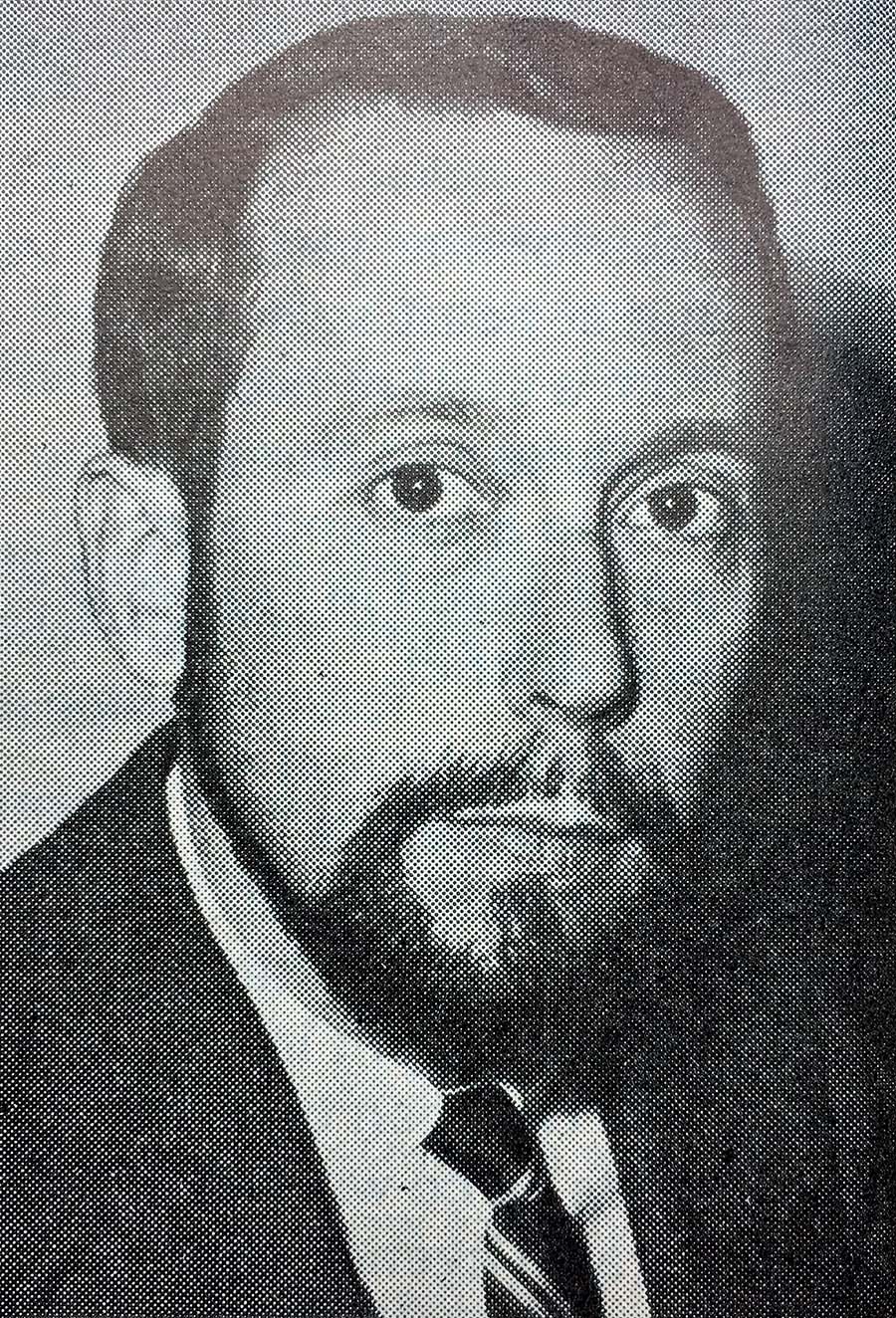
Don Langley
Don Langley
Del Rosso agrees that TravelAge West’s regionality is a major reason for its success. She says the magazine could cover important topics to Western agents more thoroughly than East Coast-based publications, which helped the brand develop a strong bond with readers.
“In a way, it was like working on a community newspaper,” she said. “We were close to agents in the West and covered the area thoroughly. Our readers looked to us as they would their local newspaper. We profiled agents, quoted them in almost all the stories and provided information on trade events and other important meetings in the region.”
Another way TravelAge West built community was through its series of successful trade shows. At one point, the publication sponsored multiple events throughout the West.
“TravelAge West trade shows were so far ahead of other events,” Deutsch said. “We would have 2,800 to 3,800 agents attend — double or triple the attendance at events by other organizations. We set a record at a show in Los Angeles with more than 4,800 agents. We were driving other regional trade shows out of business with our content.”
Dave Metkovich, who served as Advertising Director for 25 years until he retired in 2015, says the trade shows brought agents from throughout the West together.
“Everyone talked about those shows, and people looked forward to seeing one another there,” he said. “It was the main event in the Western travel industry.”
Langley says this was part of a larger mission for the brand. “We always had two goals,” he said. “One was to put our readers in the best position to succeed by making sure they had all the information they needed. The other was to build community — giving strength to readers by bringing them together.”
The trade shows were also the source of many memorable moments at TravelAge West.
“Whenever Ed Hogan, president of Pleasant Hawaiian Holidays, was around — whether he was launching a new ad campaign or speaking at a trade show — anything could happen,” Langley said. “At one show, Ed raffled off his Rolls Royce to an agent. She was thrilled until she found out her first oil change cost $900.”
Robert Carlsen, Managing Editor for TravelAge West from 1985 to 2003, says his best memories are of the staff and the way they handled adversity, such as San Francisco’s Loma Prieta earthquake in 1989.
“We continue to have reunions from time to time,” he said. “We really were a tight-knit group.”

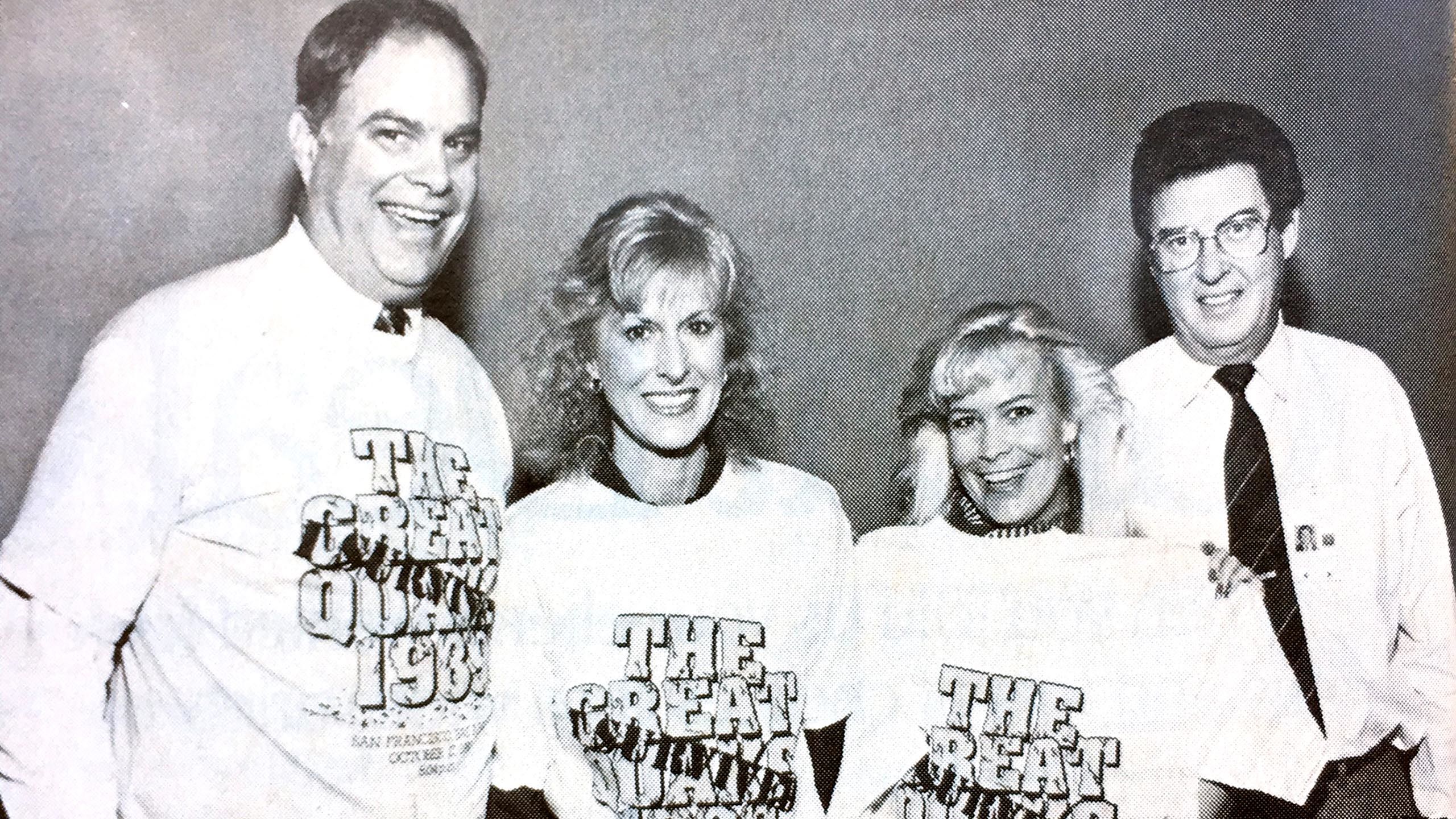
The magazine featured a photo of San Francisco agents after the city's 1989 quake. © 2019 TravelAge West
The magazine featured a photo of San Francisco agents after the city's 1989 quake. © 2019 TravelAge West
Mindy Poder, the magazine’s current Executive Editor, says the staff continues to work closely together as it serves the needs of its readers.
“The recent flood of new travel advisors into the industry — along with the public’s embrace of the advisor profession — continues to invigorate our staff,” she said. “We know who we’re writing for, and it shows in the strength of our team and our content.”
“The recent flood of new travel advisors into the industry — along with the public’s embrace of the advisor profession — continues to invigorate our staff. We know who we’re writing for, and it shows in the strength of our team and our content.”
As TravelAge West celebrates its 50th anniversary, it’s clear that the original mission remains relevant today: building community and giving Western agents the tools and information they need to succeed. This is the formula that will continue to keep the magazine at the center of the travel industry in the West for many years to come.