As hotels compete for more loyal and increasingly luxury-minded travelers, the products guests encounter during a stay are becoming another way for brands to make an impression long after checkout.
In general, hotel retail has already expanded well beyond the traditional gift shop. Products closely associated with the guestroom — from mattresses and bed sheets to signature scents, candles and diffusers — mark some of the first ways hotels began extending the experience into guests’ homes.
And LR Paris is helping hotels turn the objects guests encounter during their stays into extensions of the brand. The branded-product agency works with hospitality companies to develop everything from guestroom amenities and retail collections to gifts for top-tier loyalty members.
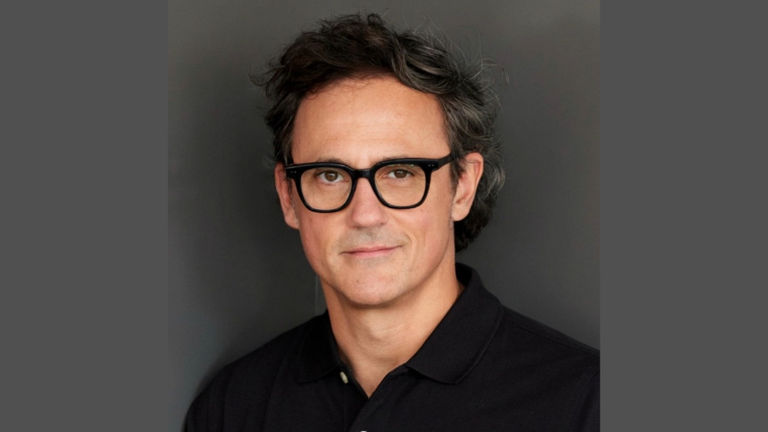 Francis Pierrel, CEO of LR Paris, helps hotels transform amenities into memorable brand experiences.
2026 LR ParisFrancis Pierrel, CEO of LR Paris, spent much of his career in fashion before moving into the branded-products business. Pierrel previously held executive roles at labels including Diesel, Lacoste, Ralph Lauren and Urban Outfitters — experience that now informs the way he thinks about the relationship between hotels, their guests and the products they put in people’s hands.
“[The goal is to] move from amenities to branded products,” Pierrel said. “[It’s changing from] a procurement duty to a marketing duty. You want this product to end up at somebody’s home or in somebody’s backpack, rather than just being a service for them to wash their hair.”
Designing Something Worth Keeping
That said, the goal isn’t to simply put a hotel logo on another product, but to create an item that guests are excited to put in their suitcase and bring home.
“We design and produce products worth keeping — it needs to be worth keeping,” Pierrel said. “In a world where we have everything, we don’t need more stuff. You need to design [items that are] in line with the brand, and at the same time, are worth the effort to take — or even better, to pay for.”
One example comes from a luxury hotel brand Pierrel could not name due to client confidentiality. Instead of the traditional disposable hotel slipper, LR Paris designed a leather version inspired by the origins of the hotel. Although considerably more expensive, guests take the slippers home and continue using them.
“Each time they sleep in this hotel, they bring back the slippers, and then they remember the hotel in between two stays,” he said. “I think that product that you take home, whether you pay for it or not, it’s that connection between two stays.”
I think that product that you take home, whether you pay for it or not, it’s that connection between two stays.
Scent offers another example. Hotels have long used fragrance to create a recognizable atmosphere, but candles and diffusers allow that sensory experience to follow guests home.
LR Paris worked with Edition Hotels to translate the brand’s signature scent into a collection of custom candles and diffusers. Designed with sleek, black-on-black packaging, the products were created to maintain a consistent identity across Edition properties worldwide, and also became something guests could purchase.
“Putting the scent of a hotel into a candle that can burn in my house, that is a real marketing act,” Pierrel said. “And then getting somebody to want to buy it and burn it in their house, that is a real loyalty act. People are paying a really good price, and it becomes real revenue for the hotel. But before that, it is free marketing.”
An element originally meant to shape the atmosphere of a hotel can become a physical extension of the brand, and a product that keeps that sensory connection alive after a guest returns home.
Making an Experience Tangible
That idea displays a fundamental difference between hospitality and industries such as fashion. A fashion customer leaves a store with a physical product; a hotel guest leaves with memories of an experience.
“Hotels … realized that their forte is about the experience and the hospitality, and it’s not necessarily in product development,” Pierrel said. “This is where we come to play. We’re bridging these two worlds and [helping] them toward their aspiration of also becoming a lifestyle.”
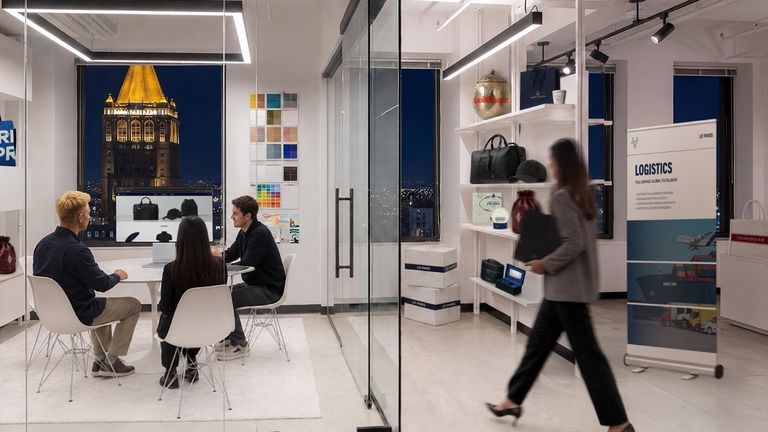 Designers at LR Paris work in hospitality and beyond, allowing them to help hotels create innovative products.
2026 LR ParisLR Paris approaches that role more like a creative agency than a traditional supplier. The brand doesn’t have a catalog of products; rather, each item is created, designed and manufactured according to the client’s needs. That process can resemble the fashion world, where product development begins with a brief and a mood board before moving into design, sampling and production. LR Paris’ designers also work beyond hospitality, which helps introduce less predictable and more innovative ideas.
Pierrel sees few limits on where that could eventually lead. He even imagines a luxury hotel putting its design language on something as unexpected as a car, pointing to his experience at Diesel, which collaborated with Fiat on a vehicle featuring denim-inspired details.
Rethinking the Loyalty Reward
Physical products can take on another role for a hotel’s most loyal guests, as there comes a point when accumulating points may no longer feel like a particularly meaningful reward.
“There is a moment where it is actually not a reward anymore, because they have enough points to actually do what they want — and this is where loyalty for the top tier can turn into a product and a gift,” he said.
A well-designed gift thanks guests while also keeping the hotel top of mind.
“That gesture is a token to say thank you, but it’s also a reminder that this is my favorite hotel, or my favorite hotel brand,” Pierrel said.
Whether served up as a gift, an amenity or a potential purchase, the effect of these items can be long-lasting and fruitful.
“That product — whether it stays in your bedroom, goes on a coffee table or goes on your desk — is the link between that hotel, the brand and the person,” Pierrel said.
