How Globus Crafts Its Undiscovered Italy and Britain Trips
A deep dive into how the Globus Family of Brands creates its Undiscovered itineraries in Italy and Britain
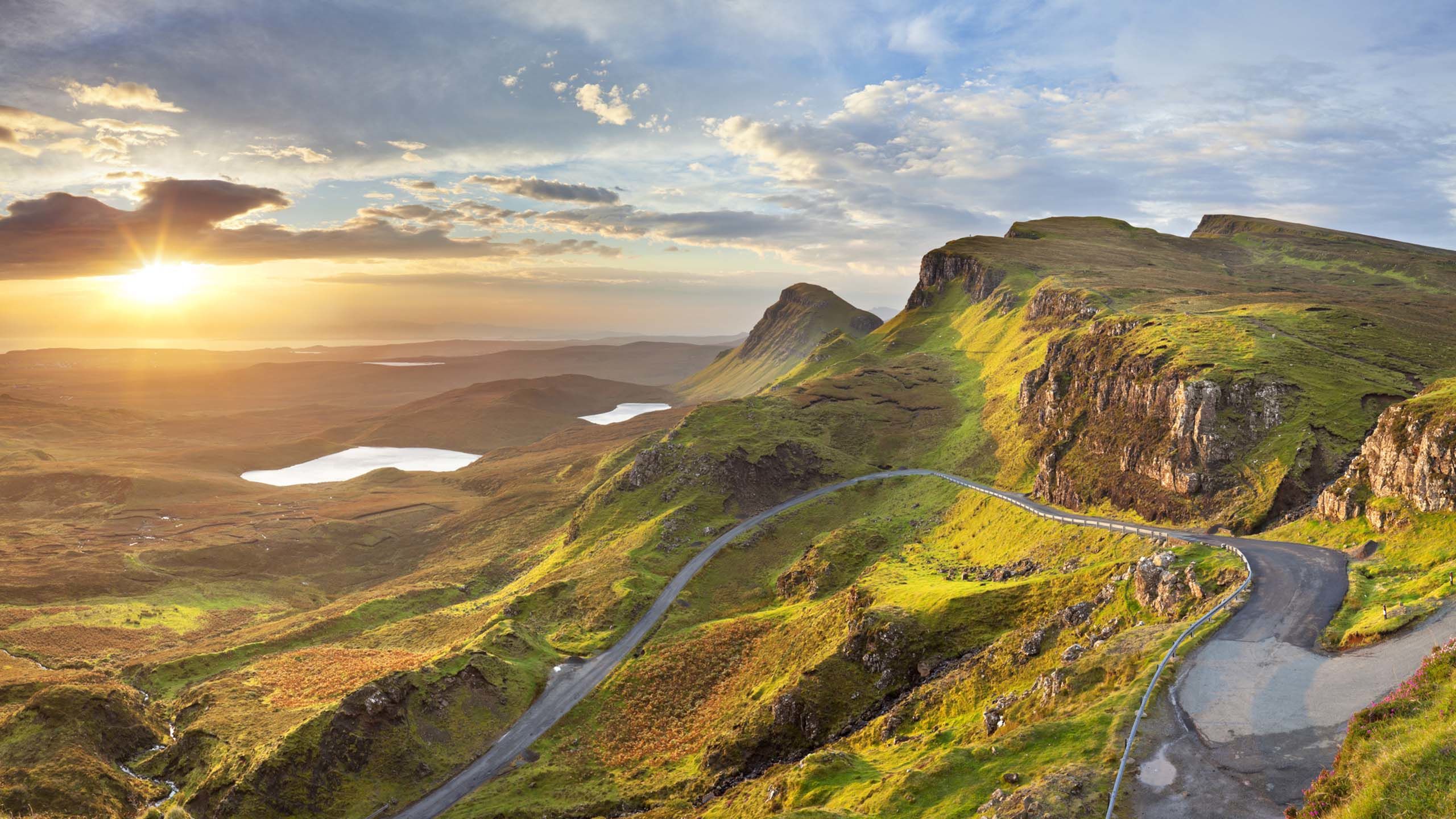

We stepped out of the van and grew silent. My travel partners and I each turned slowly in place to take in the scene, like life-size music-box dancers far from home.
And we were — we had taken a seven-hour bus ride from Glasgow, Scotland, to the Isle of Skye on the country’s northwest coast. Although the trip occurred more than 10 years ago, my short time on the island — which is the largest in Scotland’s Inner Hebrides archipelago — still replays in my mind as if it happened yesterday. I had never seen a landscape quite like it: At once smooth and jagged, the earth seemed frozen in rolling waves and cresting peaks, colored in a shamrock green nearly neon in hue. Other than my small group of friends and our tour guide — an older, local man with a tuft of bright-white hair that looked rather like that of the area’s sheep — nary a soul was in sight, save for those sheep, which surveyed us from a safe distance.
That was the case for much of my stay on Skye: few crowds, chats with locals, incredible vistas and enchanting moments — plus, a slow pace that allowed me to stay present and reflect on each day’s events.
The desire and demand for this kind of off-the-beaten-path, “let’s soak it all in” experience is only growing stronger in today’s travel industry. More tour operators are working to create trips that capture the essence of a destination and its people and culture, providing guests with memories that make them say, “You really had to be there.” But how exactly do companies find the secret spots and the unturned stones — and fashion an itinerary that truly takes clients along roads less traveled?
One operator working to satiate the increasing desire for these vacations is the Globus Family of Brands, which in 2018 launched Undiscovered Italy, a series of itineraries that takes travelers to lesser visited locales in the country such as Umbria, Apulia, Palermo, Turin and Lake Garda.
The offering was so popular that this year, the company rolled out Undiscovered Britain, a new set of trips that introduces clients to the “cobblestones less traveled” in U.K. spots including Warwick, Isle of Wight, Bristol, Inverness, the Cotswolds and — my favorite — Isle of Skye.
I spoke to Globus’ team, as well as with travel advisors who have sold the Undiscovered product — which is available from Globus and Cosmos — to get a behind-the-scenes look at how the operator crafts these trips.

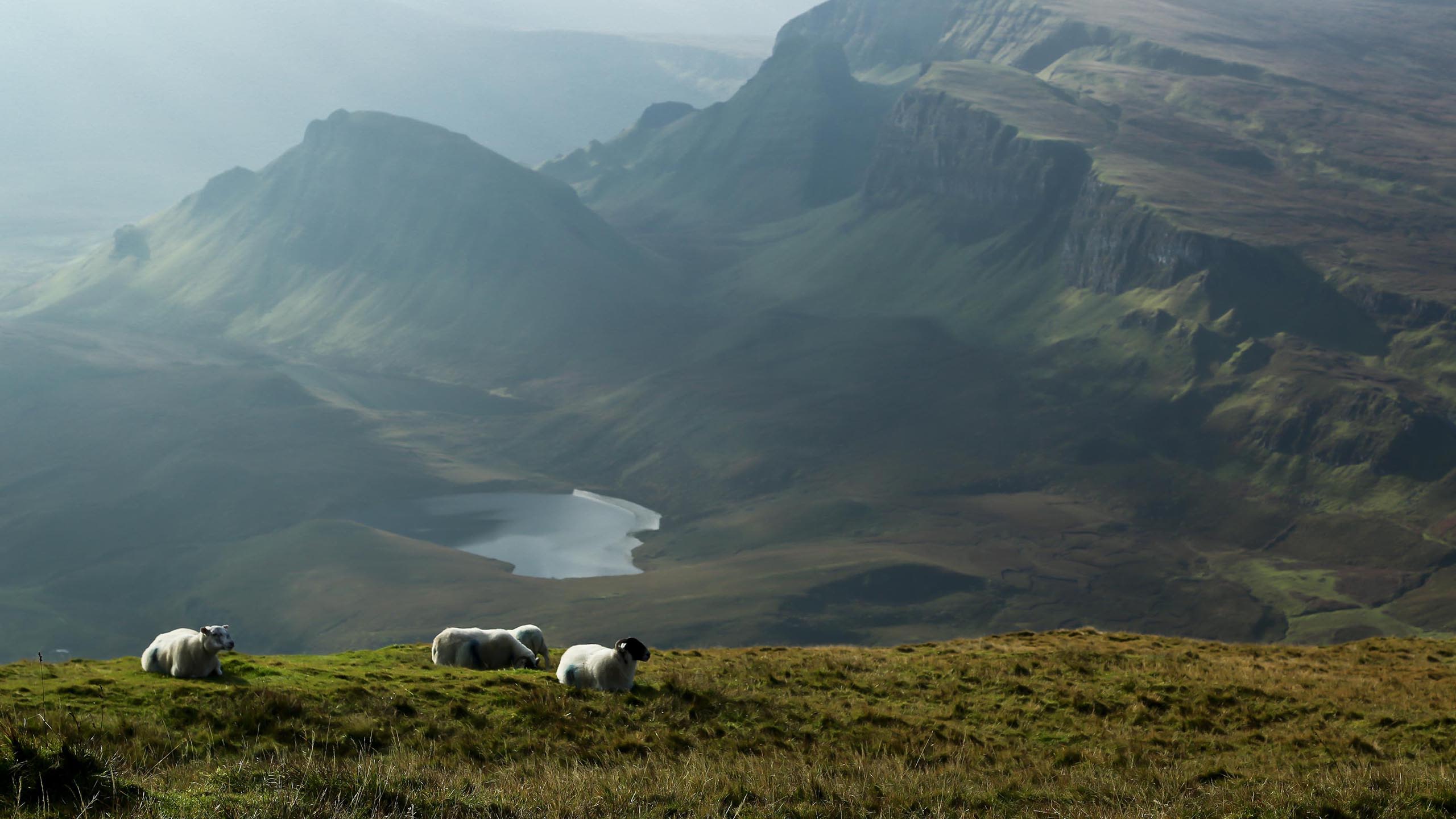
More than 100,000 sheep are said to live on Scotland's Isle of Skye. © 2019 Creative Commons user ynakanishi
More than 100,000 sheep are said to live on Scotland's Isle of Skye. © 2019 Creative Commons user ynakanishi
THE SPARK
Undiscovered’s origins began in 2017, when Globus noticed its Italy vacations were underperforming compared to the rest of its Europe offerings. They had seen nearly a decade of growth, so the slowdown was puzzling, according to Steve Born, chief marketing officer for Globus.
“The ‘aha’ moment was understanding that the classic Italy tour was a victim of its own success — that a reliance on the standard Italy tour had limited growth,” he said. “It pushed us to innovate and design a series specifically for those who are looking for a reason to return through the convenience of a tour.”
This meant building Italy vacations that didn’t include overnights in Rome, Florence or Venice, which drove the product development team to explore destinations such as northern and southern Italy. And because the product development and operations teams are based in Italy and throughout Europe (and many were born in Italy), the new imperative was inspiring and exciting for them, Born says. They could incorporate their own intimate knowledge of the “off the beaten piazza” spots into their research for the new line.
The next step was designing the tours: finding and vetting those hidden locales, providing logistics support and coordinating enough time for guests to enjoy their surroundings.
“For example, in our Italy Undiscovered series, we include 20 towns and villages and overnights that aren’t standard in competitor itineraries,” Born said. “Overnights were a key component, as they allow travelers time to explore, relax and see the place at both sunset and sunrise — to truly feel a part of these amazing, undiscovered spots.”

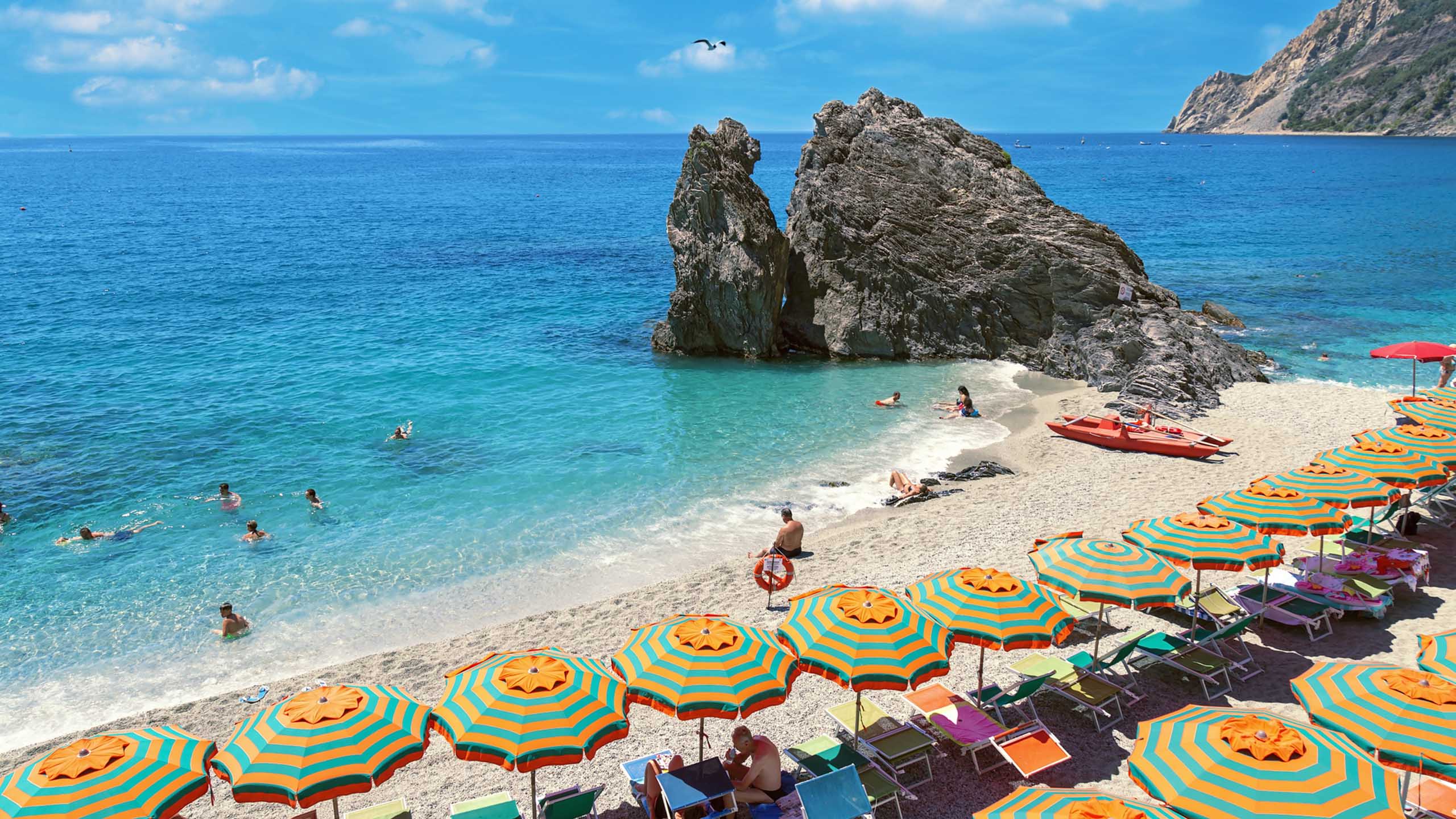
Undiscovered Italy itineraries include towns such as Monterosso al Mare. © 2019 Getty Images
Undiscovered Italy itineraries include towns such as Monterosso al Mare. © 2019 Getty Images
THE CRAFT
There are innumerable small details that go into building immersive vacations with engaging guides in under-the-radar destinations. For an inside look at what went into creating the new Undiscovered Britain product, I interviewed the man behind the curtain: Tristram Yarde-Leavett, managing director of the Globus Family of Brands operations office in the U.K.
Unearthing the sites for Undiscovered Britain itineraries was a combination of many things, Yarde-Leavett says: learning of them via word-of-mouth, attending trade shows, always keeping an ear to the ground and, often, consulting with Globus’ expert Tour Directors.
“Just recently, I had a meeting with my 65 Tour Directors, and one of the questions I asked them was, ‘What places do you think we should visit that we currently do not?’” he said. “They have a wealth of experience that we as product managers don’t have, and they came up with so many ideas that I can now research.”
These Tour Directors play a large part in making Undiscovered trips memorable. After all, they’re the main point of contact for guests throughout their journey. Yarde-Leavett says he finds candidates through recommendations and looks for people who will fit into Globus’ corporate culture — those who are passionate, caring and intelligent, and who will look after others. Extensive training includes nearly half a year of shadowing seasoned Tour Directors, of which there are plenty: About 45 of Yarde-Leavett’s Tour Directors have worked for Globus for more than 20 years. (Yarde-Leavett himself has worked for the company for 31 years.)
Sometimes locales for Undiscovered trips come about by serendipity. For example, the folks who run the educational facility at Shakespeare’s grammar school in Stratford-upon-Avon saw the business Globus was bringing into the area and contacted Yarde-Leavett to ask how they could be a part of it.
“The next time I was there, I met with them, and they presented their attraction to me,” he said. “The whole time, I was assessing whether they were the right fit for us; the attraction might be brilliant, but if the people running it don’t fit in with our culture, it won’t work.”
“The whole time, I was assessing whether they were the right fit for us; the attraction might be brilliant, but if the people running it don’t fit in with our culture, it won’t work.”
After about an hour and a half of discussions — including nitty-gritty logistical details such as how the school would accommodate a group of 44 people with only one toilet — Yarde-Leavett was sold. Globus will now do a trial run of incorporating the attraction into the 12-day Britain Uncovered itinerary and plans to solicit feedback from clients.
Stratford is just one destination on the already sold-out Britain Uncovered — what Yarde-Leavett calls “the jewel in the crown” of the Undiscovered Britain series.
“We’re taking guests to places I’ve been wanting to take them for years,” he said.
The vacation begins in London, where clients take a walking tour that ends at the Churchill War Rooms. They then head to Exeter — a small city that predates the arrival of the Romans in 50 A.D. — and Widecombe-in-the-Moor, a pastoral village that borders Dartmoor National Park. They lunch in local pubs, see small fishing towns and more as they travel to areas including Cardiff, Tintern, Liverpool, Glasgow, Inverness and Edinburgh.
And, Yarde-Leavett notes, Globus works to give guests time to interact with locals by reducing the number of meals in hotels and, instead, bringing travelers to local eateries or out for afternoon tea.
“There’s definitely a move within our company and these tours to get people out of the hotel and interacting with locals,” he said.
While some Undiscovered itineraries include stops at more popular sites — The Beatles Story exhibition in Liverpool, the Roman Baths of Bath, or Edinburgh Castle, for example — the focus remains on bringing those who have “been there, done that” to more remote and uncrowded spots. In fact, on the 14-day Scottish Highlands & Islands, clients will travel to the tiny Isle of Iona, a burial ground of early Scottish kings that "Lonely Planet" dubbed one of the quietest places in the world.
The Undiscovered Italy product, too, provides access to unique experiences that travelers might not find on their own. On the 10-day Northern Italy’s Highlights and Cinque Terre, for example, Globus wanted to introduce customers to the original locations that have created famous Italian specialties. Guests don’t dine on cheese and ham in a restaurant; they go to the source in Parma. And instead of simply tasting balsamic vinegar, they sample it in its birthplace of Modena.
During the nine-day Gems of Umbria & Tuscany, clients learn the art of making homemade pasta from locals — and do so while staying in historic accommodations. For instance, in San Martino in Campo, travelers stay in a historic 48-room villa that was built in the 17th century as the summer residence for the aristocratic Donini family.

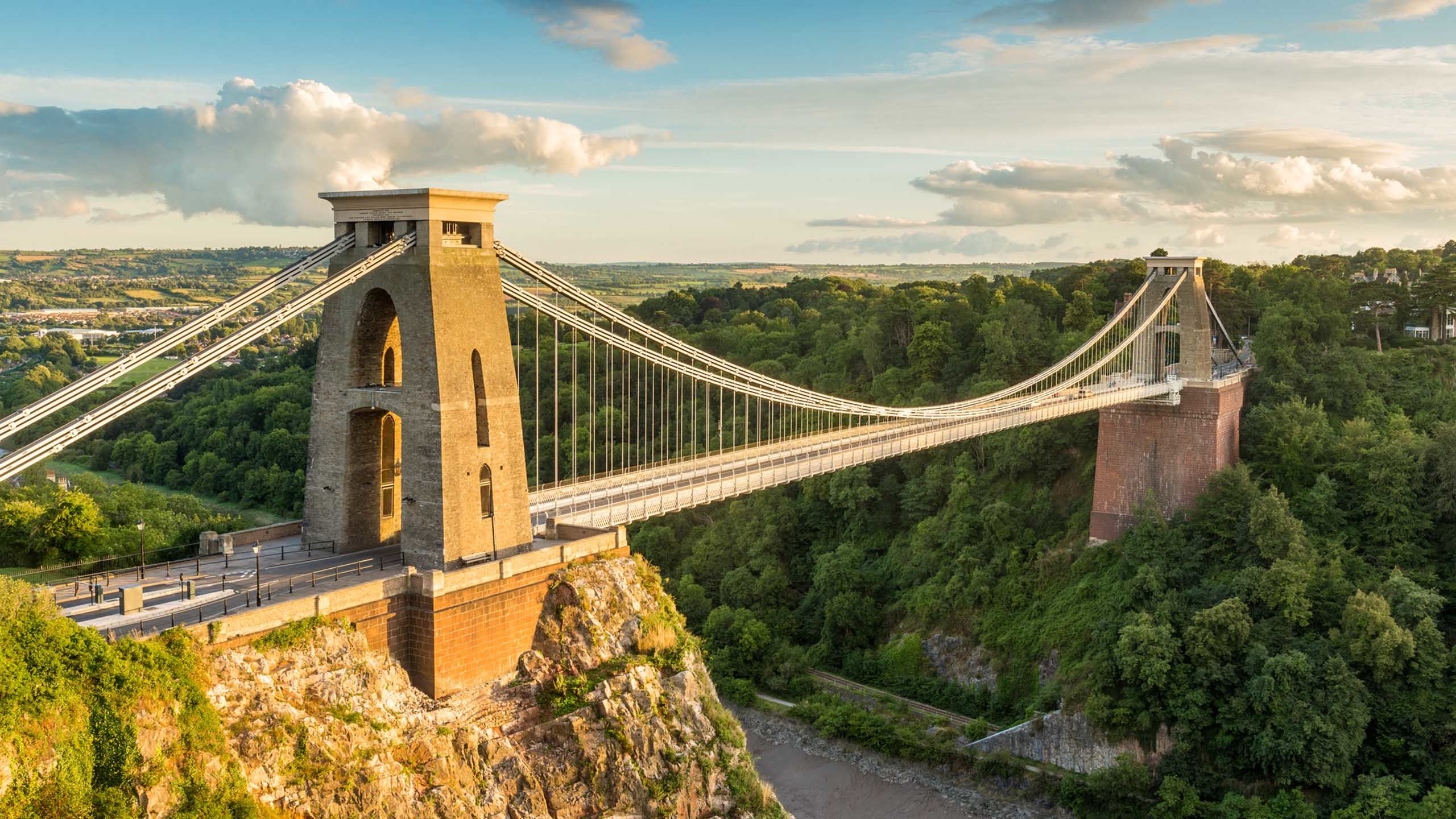
Clifton Suspension Bridge in Bristol, England © 2019 Getty Images
Clifton Suspension Bridge in Bristol, England © 2019 Getty Images
THE REVEAL
Of course, the true test of whether the Undiscovered trips deliver on their promise to unveil a country’s hidden treasures is client feedback.
Virginia Bowers, owner of Dayton, Wash.-based Weaving Dreams Travel Inc., has booked several customers on Undiscovered Italy itineraries and says she has received positive reactions. While most of her clients interested in the product tend to be in their 60s, Bowers believes the vacations are appealing to any well-heeled globetrotter looking for something unique. In fact, she notes, next month, she’s sending a mom and her two teens on the 14-day Highlights of Sicily and Southern Italy — their fifth tour as a family.
“Guests looking at Undiscovered Italy tend to be well-traveled individuals looking for something more than the UNESCO hot spots,” she said. “They are interested in more immersion in local culture, lifestyles and food — without the excessive crowds.”
Alexandra Greene, owner of Escape Masters Travel, a Dream Vacations franchise based in Fountain Hills, Ariz., says the Undiscovered product is worthwhile because it’s a comprehensive offering that would be difficult for travelers to duplicate on their own for the same price.
Greene surveyed the (mostly female and senior citizen) members of a local community travel club she started last year and found that Italy was their No. 1 destination choice — but most had already been to the popular spots. So Greene booked a group on The Sicilian, a 10-day trip that visits locales such as Palermo, Agrigento, Ragusa and the Taormina Riviera.
“The itinerary received excellent feedback,” Greene said. “They especially loved the Tour Director because of his knowledge and organizational skills.”
The best part of the product line, though? According to Globus’ Born, it’s easy for advisors to qualify clients.
“The direction for agents is to simply identify their past touring clients to Italy or Britain and invite them back via an Undiscovered itinerary — something that no one else is offering, that gives them a tangible reason to return to the place they once loved to tour but with completely new places to explore,” he said.
It’s clear that travelers are looking for more authentic experiences and interaction with destinations. There will always be demand for Europe’s “postcard” cities, Born says, but interest is surging for a more unique way of traveling.
“It’s no longer a ‘must see’ traveler who’s leading the charge,” he said. “It’s a ‘must experience’ traveler.”

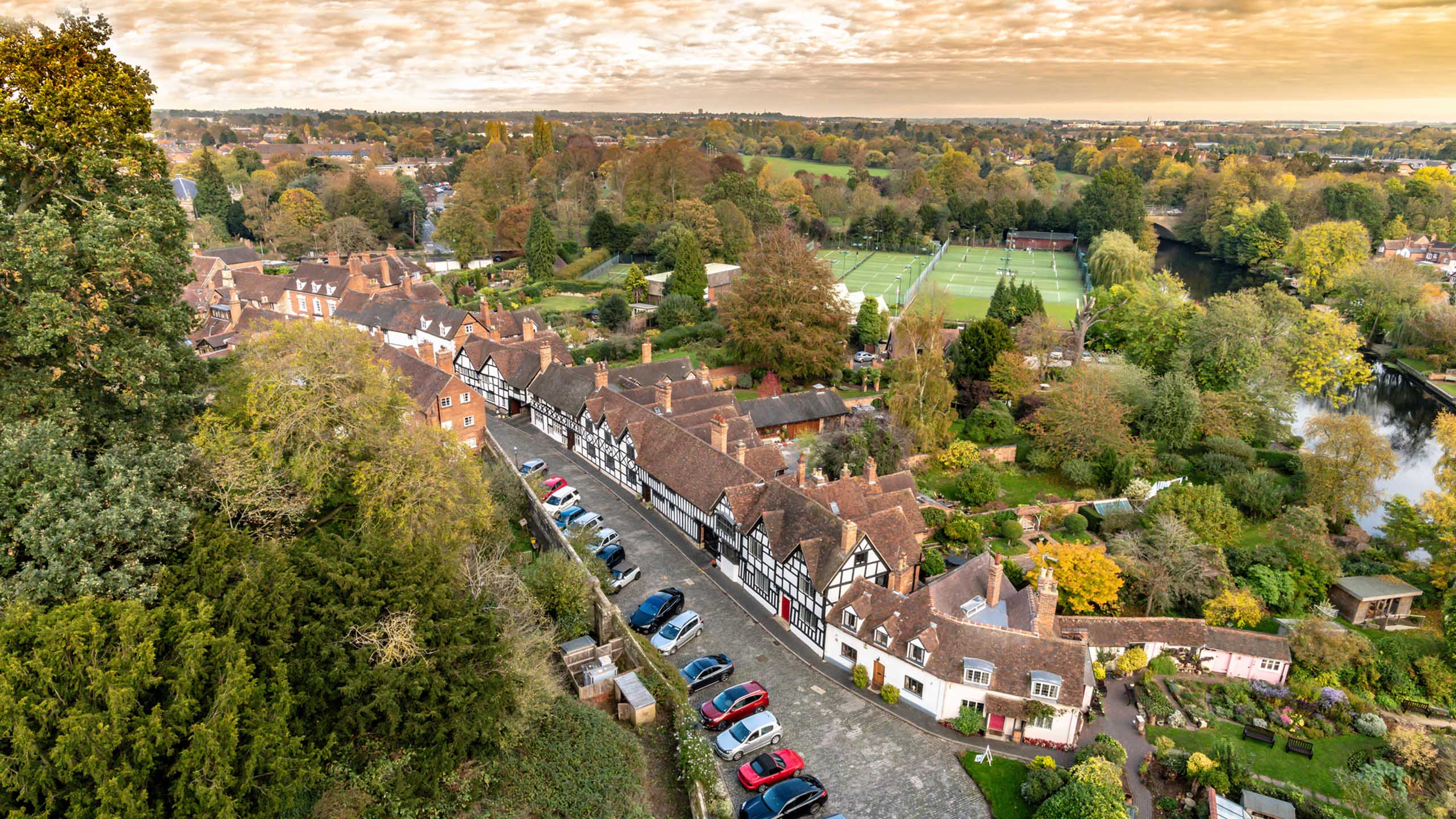
The English town of Warwick is known for medieval buildings. © 2019 Getty Images
The English town of Warwick is known for medieval buildings. © 2019 Getty Images
The Details
Globus Family of Brands
www.globusandcosmos.com