“Family travel” means something different to every family. For some, it’s a time to relax and reconnect with no interruptions (and definitely no schedule). For others, it’s a chance to see the world and share educational — and maybe even adventurous — experiences.
In 2004, Amie O'Shaughnessy, founder and CEO of Ciao Bambino, started her company as a family travel planning service. At a time when many parents thought the only options were Hawaii or Disney theme parks, Ciao Bambino collected hand-selected travel products just for families and created a one-stop shop online where parents could research the ever-increasing variety of vacation options available to them.
Recently, Ciao Bambino relaunched its website with additional trip-planning features that include an easy-to-follow roadmap for travel planning; itinerary suggestions broken down by age group; and tools that allow families to search for the type of vacation experiences in which they’re most interested.
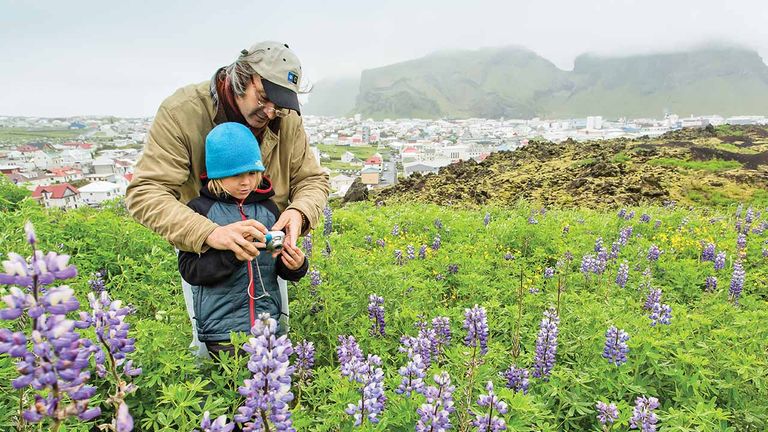 Iceland has grown as a popular destination for families over the past few years.
Credit: 2019 Ralph Lee Hopkins for Lindblad Expeditions
Sign Up for Our Monthly Family Getaways Newsletter
I accept the T&C and Privacy Policy.
“One of our objectives is to make sure we resonate with people, and what clients want to experience totally changes with every trip,” O'Shaughnessy said. “We’ve always written for real people. It’s a roundup of real tips, so there’s no question that clients are getting real advice.”
We sat down with O'Shaughnessy to learn more about how family travel has evolved in the last 15 years and the ways in which her company can help travel agents.
How does Ciao Bambino’s website help families determine what kind of vacation is right for them?
There are two places for users to search in a dynamic way: Our experience webpages and our destination webpages. For experiences, if you click “kid-friendly experiences,” for example, you see the categories we deem important within this channel. So, whether people want to take a cultural trip or an adventurous one, they’re not leading by the destination; they’re leading by the kind of travel experience they want. We’ve also taken the time to write an extensive summary of options and outline our top three articles within that umbrella so that travel advisors can use these articles to brainstorm with clients.
On the other hand, people who already have a destination in mind can use the destinations pages. It can be a roadmap for agents to take clients through the process — what I call “getting down the funnel” — to figure out what they want to do.
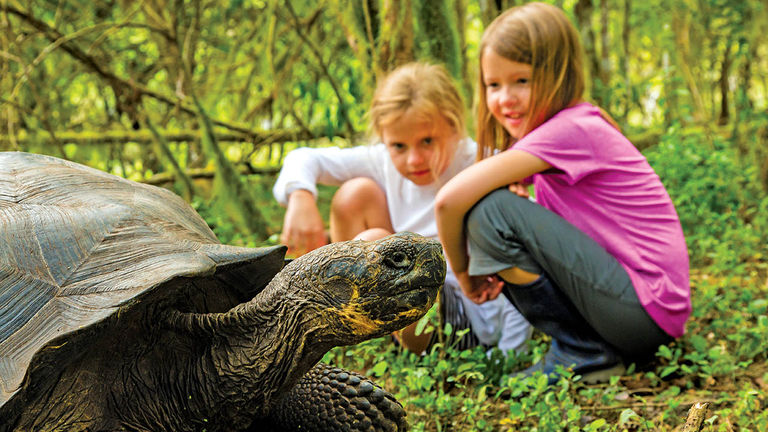 Cruise lines such as Lindblad Expeditions-National Geographic are responding to the demand for family programming in destinations such as the Galapagos.
Credit: 2019 Ralph Lee Hopkins for Lindblad ExpeditionsAt any age, kids can be unpredictable — especially when traveling. How can advisors help parents approach planning with realistic expectations?
"Afar" magazine had a really interesting article last year about “real travel,” meaning the trip is a mix of predictability and trying new things, with not everything being so manicured. Obviously, some destinations require advisors to babysit clients more than others — such as if you’re far afield and it’s a safety issue — but overall, spontaneity is part of the travel experience, and I’d argue to not let that go.
There’s also a spectrum of client travel styles, whether you have a super active family or a super chill one. I think our job is to use our experience and expertise to help clients create that short list of things that really matter, and then create reality within that wish list. We recommend planning one memorable structured activity — such as a walking tour or a cooking class — then leaving room every day for unstructured, spontaneous downtime. So many favorite travel stories aren’t, “We went to the Eiffel Tower, and it was so beautiful,” but rather, the best stories are about the unexpected moments.
What emerging destinations are popular with today’s families?
Nothing is off the table. Iceland has certainly been all the rage over the past few years, and the family market follows the same trends as other markets, so the country has had to figure out the segment. Other examples include expedition cruising to places such as Antarctica or to the Arctic to see polar bears. Knowing that families want to take bucket-list trips and experience the destination together, some expedition cruise lines — Lindblad Expeditions-National Geographic, in particular — have really taken that to heart and are creating programming. Also, if there are guides, they need to understand how to communicate information in a way that is interesting to children. That’s what makes it family-friendly; it’s not the kids’ clubs or the chicken nuggets.
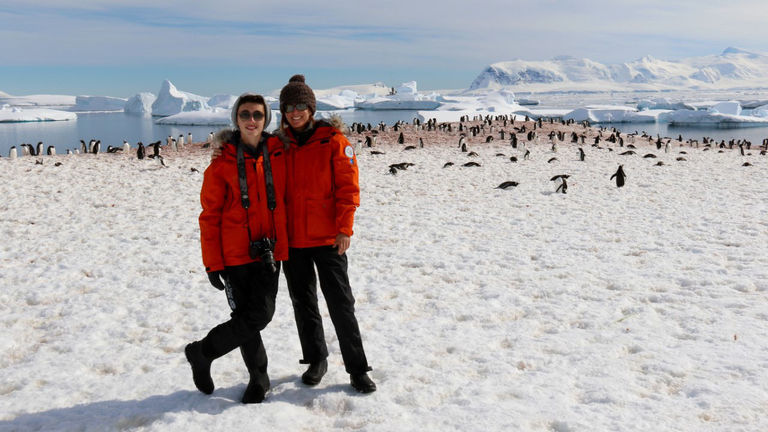 O'Shaughnessy and her son on a recent trip to Antarctica
Credit: 2019 Amie O'ShaughnessyWhat is the most important goal of a family vacation for the parents?
Routine is good, but routine can also have a downside for families. Everybody is so scheduled and structured, and it’s hard to have a dinner conversation that’s not about logistics. So for most of our clients, the goal is just being together outside of that schedule. We talk about spontaneous moments that don’t go well, or doing things that are immersive; that’s what people hold onto, and it builds bonds. Ultimately, that’s the goal. So, even if you don’t “learn” a darn thing on your trip — whatever that’s meant to be — you’ve bonded, and you’ve been present with one another.
The Details
Ciao Bambino
www.ciaobambino.com
