Twenty-five years ago, Mexico was already well established as a popular choice for North American vacationers, thanks to its winning combination of culture, cuisine, geographic proximity and natural beauty.
And, while it’s no surprise that continued growth is the long-term trend for the 21st century, what’s more interesting is the diversification of the market, as new developments, greater connectivity and increased demand for meaningful experiences have led travelers to choose a wider variety of destinations around the nation.
Editor’s Note: This year, Northstar Travel Group celebrates its 25th anniversary. To mark the milestone, Northstar’s brands are looking back at how the travel industry has evolved over the past 25 years, where it stands today and what the next 25 years might bring.
Mexico in the Early 2000s
At the beginning of the century, Mexico's tourism profile was based mostly on the popularity of a small number of beach destinations, according to LeAnne Rigsby, owner of Cricket Cruise & Travel, a NEST affiliate in Chappell Hill, Texas.
"Mexico was affordable and easily accessible with nonstop charter air availability and no passport required," she recalled. "A long weekend getaway was very popular."
Cancun was Rigsby's top seller then, followed by Cozumel.
“Both were the least expensive destinations in Mexico, with a plethora of resorts covering all budgets — and nonstop, reasonably priced published and charter air schedules were available,” she said. “All other Mexico destinations required at least one plane change, usually in Mexico City as the Aeromexico hub.”
Since then, expanded air service and a surge in development have increased the ability of more destinations to attract travelers, and to focus on different types of travelers.
In addition, the definition of value has evolved, according to Rocio Juarez, director of sales and marketing for Secrets Playa Mujeres Golf & Spa Resort and Dreams Playa Mujeres Golf & Spa Resort.
"Mexico continues to offer tremendous value to international travelers, particularly to the U.S. market,” she said. “However, value today means much more than affordability. It is about the quality, diversity and relevance of the overall experience guests receive."
Value today means much more than affordability. It is about the quality, diversity and relevance of the overall experience guests receive.
Mexico’s hospitality industry provides some of the most noticeable examples of evolution. Enrique Calderon, chief operating officer at Grupo Posadas, recalls how early hotel development focused on sharp differences between business and leisure properties.
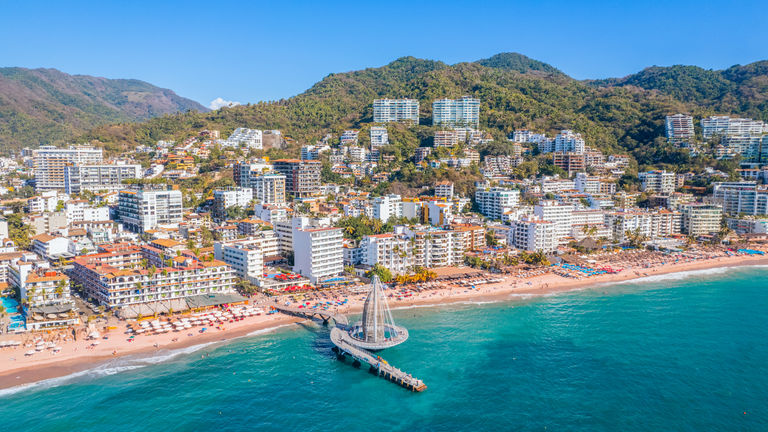 Hotels in Mexico offer a more sophisticated product and appeal to a broad range of travelers.
Photo Credit: 2026 Jalisco Ministry of Tourism“Everybody was concentrating on having either a business hotel or a leisure hotel,” he said. “The business hotel had rooms and restaurants, room service, meeting space and that’s it. On the leisure side, there was a pool, two restaurants and that’s it.”
Today's hospitality product, he said, is more sophisticated, with hotels more likely to incorporate cultural, culinary and wellness experiences into all of their offerings.
"The evolution of the all-inclusive has changed drastically, as well,” Calderon added. “Now you have to create different experiences that are included.”
The success of Mexico’s hoteliers in satisfying more demanding guests is reflected in room rates, according to Calderon, who pointed to luxury properties in Punta Mita as an example.
"They are charging $2,000 a night and the people are paying, because they see the value behind that," he said.
An Expanded Tourism Map
Perhaps the most consequential change over the past 25 years has been the growth in the number of destinations that are now big players in Mexico's tourism scene. While Cancun, Riviera Maya, Los Cabos and Puerto Vallarta remain big sellers, interior destinations including Mexico City, Oaxaca, Merida and San Miguel de Allende have also attracted the attention of more travelers, according to Caroline Labbe, a luxury travel advisor at Labbe Travel, a Travel Experts affiliate in Midway, Utah.
"Mexico's greatest transformation isn't simply the number of luxury hotels that have opened,” she said. “It's that sophisticated travelers are discovering the extraordinary country beyond the resort gates. Mexico has always had the culture, cuisine, history and hospitality. What's changed is how we experience it."
Mexico is increasingly becoming a destination for the same thoughtfully curated, multistop luxury journeys that travelers traditionally associate with Italy, France or Japan.
“Twenty years ago, a client might have asked for a beautiful resort in Cabo,” Labbe explained. “Today, they might want to combine Mexico City with Oaxaca, explore the wine regions or pair a culturally immersive journey with a few days at an extraordinary coastal retreat. Mexico is increasingly becoming a destination for the same thoughtfully curated, multistop luxury journeys that travelers traditionally associate with Italy, France or Japan.”
A big reason why some travelers are more aware of Mexico’s beyond-the-beach tourism offerings is the creation of the Pueblos Magicos (Magical Towns) program, according to Maria Dolores Lopez Lira, chairwoman and founder of Grupo Lomas.
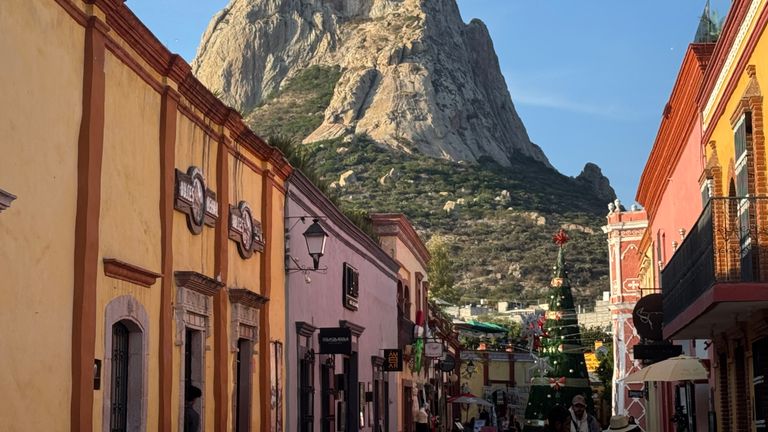 Travelers are increasingly willing to go beyond the beach in Mexico.
Photo Credit: 2026 DepartureLevel.com“When it was launched in 2001, only a handful of destinations received the designation,” she said. “Today, that number has grown to 177, bringing greater recognition to smaller towns and communities that preserve Mexico's traditions, architecture, gastronomy and cultural heritage. It has helped expand the tourism map beyond our traditional resort destinations, creating new opportunities for local businesses and encouraging travelers to discover a more authentic side of Mexico.”
Jorge Gutierrez, area general manager at DoubleTree, Curio and Hilton Focused Service Hotels in Mexico, has also witnessed a broadening of traveler interests.
The most important change has been diversification, and the breadth of reasons people choose Mexico as a destination.
"The most important change has been diversification, and the breadth of reasons people choose Mexico as a destination,” he said. “What they expect from their stay has also evolved. Beaches remain central to Mexico’s appeal, but food, culture, nature and wellness give travelers more ways to experience the country."
“Travelers are evolving, and so are we as hoteliers,” Gutierrez added. “Guests are more experienced, have higher expectations and are coming from an increasingly diverse mix of international markets.”
Rethinking the Hotel Experience
Hotel investment, expanded airlift and changing consumer expectations have fueled changes in Mexico’s long-established resort destinations, according to Alejandro Rodriguez del Peon, vice president of marketing and public relations at Royalton Hotels & Resorts.
"The transformation of Mexico's major beach destinations over the past 25 years has been extraordinary, particularly in the Mexican Caribbean," he said. “Cancun is perhaps one of the clearest examples of how a destination can evolve into a globally recognized tourism powerhouse through sustained investment, infrastructure development, international connectivity and a continuously expanding hospitality offering.”
The transformation of Mexico's major beach destinations over the past 25 years has been extraordinary, particularly in the Mexican Caribbean.
Rodriguez del Peon stresses the need for differentiation to remain competitive.
"For me, the next chapter of hospitality investment in Mexico is not simply about developing more resorts,” he said. “It is about creating more distinctive reasons for travelers to choose Mexico, return to Mexico and discover something new each time."
For travel advisors, Mexico’s continued evolution creates opportunities to sell to a wider variety of clientele, according to LaDell Carter, founder of Baltimore-based Royal Expression Travels, a Travel Leaders Network affiliate.
PQ It is about creating more distinctive reasons for travelers to choose Mexico, return to Mexico and discover something new each time.
“I expect well-being to become an even stronger reason to choose Mexico,” she said. “For the luxury market, long-term success will depend on maintaining the quality of the experience as demand grows."
Julie Miller, an advisor at Unlimited Vacations & Cruises, a Travel Leaders Network affiliate in Akron, Ohio, summarizes the nation’s evolution handily.
“Mexico has grown from a beach-and-buffet destination into a true luxury and cultural one,” she said.
Mexico’s Next 25 Years
Looking ahead, industry observers predict that Mexico will continue to find increased appeal among travelers interested in luxury, wellness, gastronomy and multigenerational travel — while also benefiting from improved infrastructure and new hotel development.
"I believe the future is not simply about Mexico welcoming more travelers but about attracting higher-value travelers and giving them more reasons to discover and explore the country,” Hilton’s Gutierrez said.
 Mexico increasingly appeals to luxury travelers, among other demographics.
Photo Credit: 2026 Los Cabos Tourism BoardIn order to ensure positive growth, Mexico must also continue to focus on one particularly important issue, according to Cricket Cruise & Travel’s Rigsby.
“Safety and security for everyone, especially tourists, should remain Mexico's No. 1 priority,” she said.
Carter of Royal Expression Travels agrees.
“Brand recognition can build confidence, but safety decisions require current, destination-specific information, trusted transportation and reliable local support,” she said.
Lomas’ Lopez Lira, meanwhile, emphasizes the need for responsible development.
"I believe the industry has matured enough to recognize that building more is not always the same as building better,” she said. “Our next responsibility is to make sure tourism continues to improve the lives of the people who call these destinations home."
Rodriguez del Peon of Royalton is also optimistic.
"Mexico has everything it needs to remain one of the world's most desirable destinations,” he said. “Our responsibility as an industry is to keep giving travelers new reasons to fall in love with it."