Sustainable, regenerative, responsible, meaningful — the buzzwords of pandemic-era travel reflect a change in the way many people are thinking about the world, and how they interact with it on vacation.
But no conversation on this topic is complete without including Indigenous peoples and the travel opportunities they provide — experiences that are frequently centered on ancient cultural traditions and respect for and care of the environment.
What’s more, as the much-needed recognition of Indigenous communities grows around the world — and their stake in the tourism industry increases alongside it — there are more chances for travelers to partake in these meaningful experiences.
It also affords travel advisors the chance to be a force for good within the industry, by directing the flow of tourism dollars back to local communities and arranging substantive interactions, rather than surface-level or performative encounters.
“Our industry and our visitors have evolved,” said Nadine ToeToe, director of New Zealand’s Kohutapu Lodge & Tribal Tours Ltd, a business owned and operated by a family from the Ngati Manawa Tribe. “It’s no longer about tokenism but about genuine engagement, meaningful encounters and respectful representation. From a supplier perspective, it’s no longer simply about ‘ticking a box,’ but more about depth of engagement and understanding of our culture.”
Our industry and our visitors have evolved. It’s no longer about tokenism but about genuine engagement, meaningful encounters and respectful representation.
And there’s growing interest among travelers for these types of tips, too.
“Just before the COVID-19 pandemic, we did a survey of about 11,000 past guests, and nearly half of them were interested in Indigenous travel experiences,” said Melissa Da Silva, president of The Travel Corporation (TTC) Tour Brands for North America. “But only about a quarter of the people we surveyed responded that they would have any idea of how to find those experiences.”
Enter: Travel advisors.
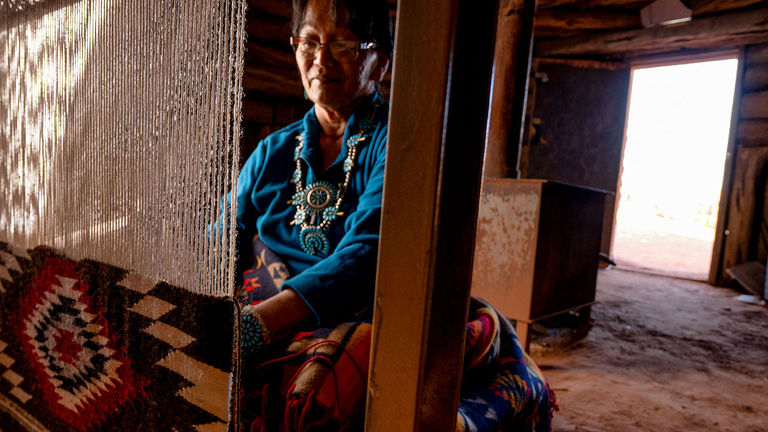 Trafalgar’s Southwest Native Trails tour explores the U.S. Southwest, which is rich with Indigenous history and culture.
Credit: 2022 Getty ImagesTo engage in these privileges, however, advisors and their clients have a few responsibilities of their own; namely, finding the right supplier partners to ensure any tourism activity will benefit the communities involved, and approaching the experiences with the respect they deserve.
Here are a few tips for doing so.
Getting Started With Indigenous Tourism
If travel advisors have never sold Indigenous experiences before, breaking into this space may seem intimidating.
“I think the biggest challenge is people don’t always know how to place our experiences or the products we’ve created,” said Keith Henry, president and CEO of the Indigenous Tourism Association of Canada (ITAC). “There are so many diverse businesses, but often people don’t know how to sell it — and it does sell.”
To help familiarize agents with Canada’s vast range of Indigenous tourism offerings, the ITAC and Destination Canada recently announced a first-of-its-kind partnership with Signature Travel Network. According to Chris Alestra, vice president of destination and air partnerships for Signature, plans include not just vetted, market-ready experiences for advisors to book, but also fam trips and trainings to better understand the products and who to sell them to.
“For us, it’s about making sure you leave a purposeful, lasting impression,” Alestra said. “We want to make sure dollars get into the hands of these communities and really enrich their lives. This will also bring high-quality products [to our clients] in a thoughtful, respectful way. And eventually, the goal is to do this on a global scale.”
Henry adds that the partnership is “an important strategic alliance to promote and market Indigenous tourism businesses” to the U.S. market, of which there are approximately 1,900 across Canada.
While not all advisors have such a partnership at their fingertips, there are other resources to turn to.
 Visitors can learn about Maori culture at Te Pa Tu, an Indigenous experience in New Zealand.
Credit: 2022 New Zealand Tourism“The best first step is going to a supplier partner that works in this field,” said Alina Romero, a travel advisor and president of Mar Events, LLC. “G Adventures, [for example,] is a great place to start, because visiting and supporting locals is included in their [tour] product.”
Romero was first introduced to Indigenous experiences while exploring off-the-beaten-path parts of Mexico with her Mexican husband, and now tries to recommend such options throughout Latin America to her clients. This includes not just booking with partners like G, but also making recommendations for visiting small towns and supporting Native-owned businesses such as restaurants and shops.
“Ninety-nine percent of the time, it’s me recommending it to [clients], not them saying it’s something they are interested in,” Romero said. “But they are receptive to it. And it’s a win-win for everyone, because it’s money flowing back to the local communities, and prices are not as inflated for the traveler. So, the price of the good may be half, but you’re making twice the impact.”
To find these types of businesses and activities, Romero suggests turning to tourism boards for recommendations and booking through local destination management companies, which will already have on-the-ground connections and vetted options for clients.
Go With the Pros: Tour Operator Options
Along with G Adventures, other tour operators who have a history of successfully partnering with Indigenous communities are a key agent resource.
At Intrepid Travel, for example, Matt Berna, the company’s president for North America, says that “Indigenous culture has been a feature of our trips since day one.”
Berna notes that Intrepid’s approach is to incorporate Indigenous experiences — such as going for a walk in Kenya with the Maasai people — in interactive ways.
“You might have three or four people with a guide, and there’s no script,” he said. “It’s just a really informal exchange. We’re trying to build that element of personal interaction into all those experiences.”
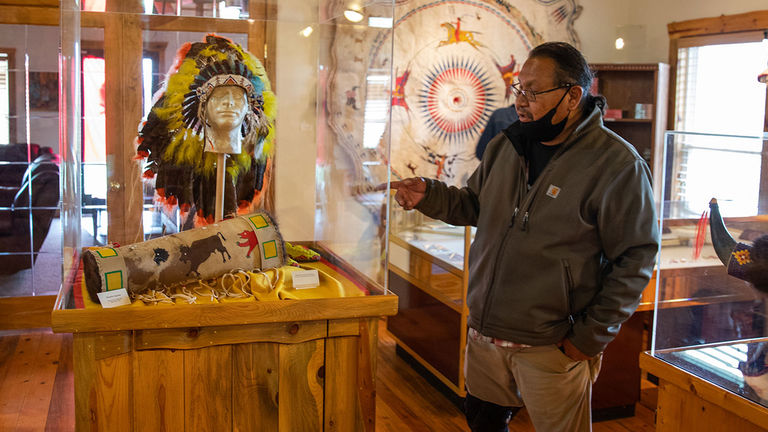 Intrepid has long included Indigenous experiences on its tours.
Credit: 2022 Intrepid TravelAfter discovering how many of its guests are interested in Indigenous experiences, TTC is expanding its existing roster of opportunities in North America and Australia. Examples include spending time at the Rosebud Sioux reservation in South Dakota (from Trafalgar), visiting the Warrior Women of Sturgeon Lake Cree Nation in Canada (with Contiki) and learning about the Kuku Yalanji people in Daintree National Park in Australia (from Luxury Gold).
“[Often,] you have to have special permission to even go to the reservations,” Da Silva said. “It’s not something that somebody traveling on their own could just go and do.”
G Adventures (which also supports community tourism enterprises through its nonprofit arm, Planeterra) is another top choice for engagement with Indigenous communities, a core principle that “goes back to the founding of the company and its values for the past 30 years,” according to Jamie Sweeting, vice president for social enterprise and responsible travel at G (as well as president of Planeterra).
G and Planeterra are so involved in Native tourism, in fact, that they partnered with The George Washington University International Institute of Tourism Studies to create a set of guidelines on the subject, called “Indigenous People and the Travel Industry: Global Good Practice Guidelines”.
“We were asking ourselves how we could be more responsible when working with Indigenous communities, and figured that if we were going to find the answer for ourselves, we might as well turn it into a publication and make it available to any travel company,” Sweeting explained.
On the subject of how operators work with Indigenous communities, travel advisors should also take into consideration how brands collaborate with Native partners to develop their products.
“I think the most important thing is we take the lead from the communities that we’re visiting,” Da Silva said. “We’re not going to them and saying, ‘We want to do this experience.’ We’re asking, ‘What would a good [visit] look like for you? What would you like to share with our guests?’”
Destinations Embracing Indigenous Travel
Governments around the world are increasingly recognizing the rights of Indigenous peoples, while tourism bodies are working with them to offer meaningful travel experiences that benefit local communities.
New Zealand Tourism, for instance, is heavily emphasizing Maori culture and experiences that give back as part of its bid to attract travelers following the pandemic, while Hawaii’s Malama Program asks visitors to engage with the islands on a deeper level and participate in activities that will benefit local lands and communities.
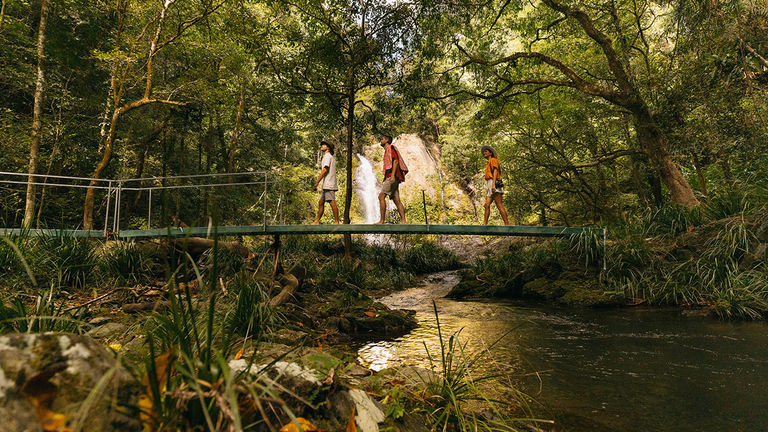 Australia’s Daintree Rainforest was returned to its Traditional Owners.
Credit: 2022 Tourism Tropical North QueenslandIn Australia, the state of Queensland recently handed back a huge swath of land to its Traditional Owners (including the Gudang/Yadhaykenu, Atambaya and Angkamuthi peoples) — and last year, the Daintree Rainforest was returned to the Eastern Kuku Yalanji people.
It’s so exciting and so important that the Traditional Owners and custodians of these places are ... able to tell their stories themselves rather than having those stories told for them by third parties.
Now, these Aboriginal communities are getting involved in the tourism operations for the areas.
“These are places that need to be treated with an enormous amount of respect,” said Mark Olsen, CEO of Tourism Tropical North Queensland. “It’s so exciting and so important that the Traditional Owners and custodians of these places are getting their lands back, having the option to move into tourism and being able to tell their stories themselves rather than having those stories told for them by third parties.”
In addition to the cultural significance of these measures, they also provide value to the Aboriginal communities.
“[Tourism] will help advance our people, providing pathways to permanent jobs and empowering us,” said Chrissy Grant, chairperson of the Wet Tropics Management Authority and an Eastern Kuku Yalanji woman. “Now, we need to make sure we have the tools and skills to train our own guides and build our own niche.”
In Alaska, meanwhile, a new partnership between Native corporations Doyon Limited and Huna Totem Corporation has resulted in the Na-Dena company, which aims to highlight less-visited areas of Alaska, expand sustainable tourism in the state and enlarge the role that Native peoples play in Alaska’s travel industry.
“Tourism in Alaska is expanding, and Na-Dena provides a path for local Native communities to share their values, history and traditions with visitors, while building a stable economy in their communities,” said Patrick Duke, CFO of Doyon, and Russell Dick, president and CEO of Huna Totem. “We want travelers to leave with a better understanding of our cultures and the importance of our lands.”
Another new initiative has just been introduced by Visit California: Through the “Visit Native California” platform, the organization will promote Native tourism offerings and educate visitors on the rich cultural heritage of the state’s Indigenous communities.
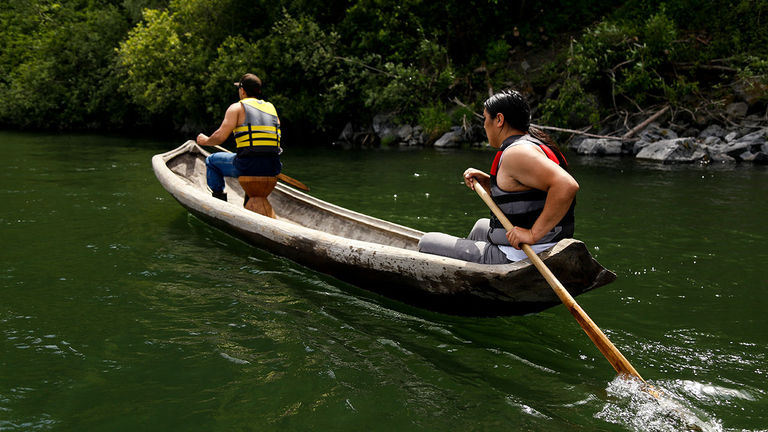 Travelers can take a traditional canoe tour with California’s Yurok people.
Credit: 2022 Delany Mayo“With traditional homelands that stretch from the redwood forests in the north to the desert along the Mexican border, respectfully visiting tribal lands is a whole new way to see the Golden State,” said Caroline Beteta, president and CEO of Visit California. “Experiences range from cultural heritage centers and museums to annual festivals and guided tours, and our aim is to uncover even more of the Native offerings across the state.”
With all these opportunities — and many, many more — now is the time for travel advisors to add Indigenous offerings to their business. And the rewards for doing so go beyond bookings, as well.
“For a travel advisor, I think there are two great motivators for doing this,” G Adventures’ Sweeting said. “One is that the marketplace is going in this direction, and it’ll be good for your business. But it’ll be also incredibly empowering, because it makes your work have a purpose. It’s extraordinarily rewarding on a personal level.”
A Responsible, Respectful Experience
A key part of selling Indigenous travel responsibly involves preparing clients for their visit with Native peoples (or using a supplier partner that will do so). Here are a few expert tips for setting up a respectful experience.
Know Before You Go: “It’s important for travelers to be aware and respectful of the culture and local preferences,” said Brady Binstadt, CEO of tour operator Geographic Expeditions. “Guides should have a deep understanding of the culture and lead interactions in a way that upholds the community’s traditions and customs.”
Go For the Right Reasons: “When booking cultural tourism experiences, try to listen, learn and understand,” Kohutapu’s ToeToe said. “Go for the right and genuine reasons, not simply for the touristic photo opportunities of the past. A cultural experience is based upon people. [We] put significant effort, time and attention into sharing who we are, what we have and what we do with passion, care and tikanga (correct procedure/custom). That alone has a certain value that needs to be recognized.”
Engage on a Deeper Level: “Cultural experiences are not simply about the locals having to dress up to put on a show for manuhiri (visitors),” said Kiri Atkinson-Crean, the Kaiarahi Tapoi/head of tourism at Tauhara North Tourism Limited in New Zealand. “They can be a jet-boat ride, a fishing or hunting trip, a hike around a volcano or simply walking a riverbank. It’s the lens with which these experiences are shared — the reciprocity at play, because we want to learn about you, too — that really is the magic. With this approach, the experience will be far more meaningful.”
