As the travel industry continues to rapidly evolve, travel advisors Sam Johnson and Gayle Smith are helping college students discover a lesser-known path within it. The duo, who are co-owners of Prescription Travel, established a four-month internship that trains college students on the business and sales side of travel advising — an area often overlooked in traditional hospitality programs, according to Johnson.
Johnson developed the idea after working as a lead concierge at Montage Big Sky in Montana, where he gained valuable experience in the world of in luxury hospitality. He was also trained by Forbes Travel Guide, as he assisted the property in receiving its Forbes Five Star certification.
While immersed in customer service as a concierge, Johnson became increasingly interested in travel sales — an industry pillar that had been missing from his formal education.
"A lot of students don't know that this is an option for a career,” Johnson said of travel advising. “The global aspect of the travel industry is what drew me towards the advising side — I felt limited being at one hotel or brand.”
To learn more, Johnson began cold-calling Virtuoso travel advisors. He conducted more than a dozen interviews, and those conversations ultimately led him to Gayle Smith, who later became co-leader of the internship program and Johnson’s business partner.
RELATED: Humans in the Hot Seat Podcast: TravelAge West Trendsetter Sam Johnson (Upward Bound, Rockstar Advisor Under 40)
Smith and Johnson launched their internship program in September of 2017, aiming to give hospitality students a deeper look at the world of travel advising. The pair visits college campuses and hosts information sessions, offering students an overview of the fully remote program.
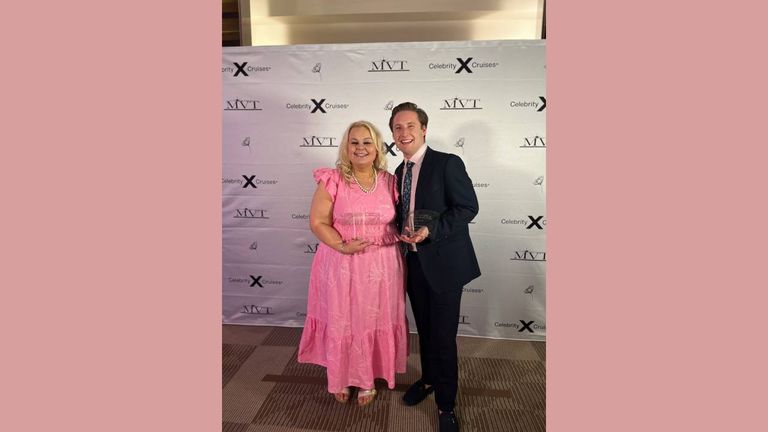 Sam Johnson and Gayle Smith, co-founders of Prescription Travel
Credit: 2025 Prescription TravelDrawing three to five students from different schools each semester — including the University of Georgia, University of South Carolina, Florida State University and Ole Miss — the internship allows students to earn academic credit while gaining real-world experience. Participants also have the chance to earn commissions from their own travel sales. Work hours are flexible, allowing students to balance the internship alongside their academic commitments.
What the Internship Highlights
Over the course of four months, interns are trained by both Smith and Johnson in a wide range of skills, from effective communication and customer service to itinerary planning. Smith leads the teaching portion, while Johnson focuses on sales strategies and building supplier relations. Additional lessons impart destination knowledge and cover industry history, cultural awareness, sustainability trends and modern marketing techniques.
Students also receive hands-on training with major booking platforms such as the GDS and Expedia, and they learn to use CRM and itinerary management tools. Weekly classes might also feature guest speakers, including suppliers and hospitality programs, which offer students direct access to the industry.
"It can be very scary entering the industry,” Johnson said. “So, we chose to collaborate with a few hospitality programs, such as Red & Black Travel in Georgia, to help support the students in building a client base.”
Selecting Interns
Johnson and Smith interview every applicant, seeking students who have a passion for travel and a curiosity about the broader industry. While they don’t limit admissions to a certain GPA requirement, they prioritize hospitality majors who want to focus on the hotel and event side of the industry.
Despite being in its early stages, the program is already making waves. Last year, it earned a Magellan Award for innovation in travel education. Magellan Awards recognize leaders and innovators in the travel industry who demonstrate excellence in design, marketing and services across various travel sectors.
Johnson and Smith say they will continue to evolve the program, editing their approach based on student feedback and industry shifts.
Plans are underway to expand the program to more campuses across the western U.S and to add new administrative support.
