“Man muss die Feste feiern, wie sie fallen” is a simple German reminder to celebrate the festivals, holidays and events as they come — and in the 17 Historic Highlights of Germany, they come all year long.
These culture-rich heritage cities each offer at least 700 years of history, university towns, walkable centers and landmark-filled old quarters. Connected by high-speed rail, autobahn routes and nearby airports, the cities invite travelers to immerse themselves in Germany's culture whenever the next celebration falls.
Each quarter of the year brings its own set of traditions, from winter's holiday festivities and New Year's rituals to spring's markets and blossoms; summer's wine, street and maritime festivals; and the wine harvest in late fall
Winter Into Spring — Bundle Up as the Locals Don Their Costumes
The year in Germany opens with winter festivities that extend beyond Christmas. However, it all kicks off with three days of Weihnachten (Christmas) festivities, enjoyed Dec. 24 through Dec. 26.
Neujahr (New Year) celebrations bring fireworks at midnight on Dec. 31, and in some cities, Christmas markets shift into New Year or Three Kings markets. Dreikönigstag on Jan. 6 adds a local tradition: Volunteers dressed as the Three Kings go door-to-door caroling and collecting for charity.
Travel advisors can delight clients by recommending a visit to Rostock on the Baltic Sea, which gives New Year's Day a signature moment with Lighthouse in Flames on Jan. 1. Leading up to Lent, Fasnacht or Fasching takes over with colorful parades, street fairs and costume balls.
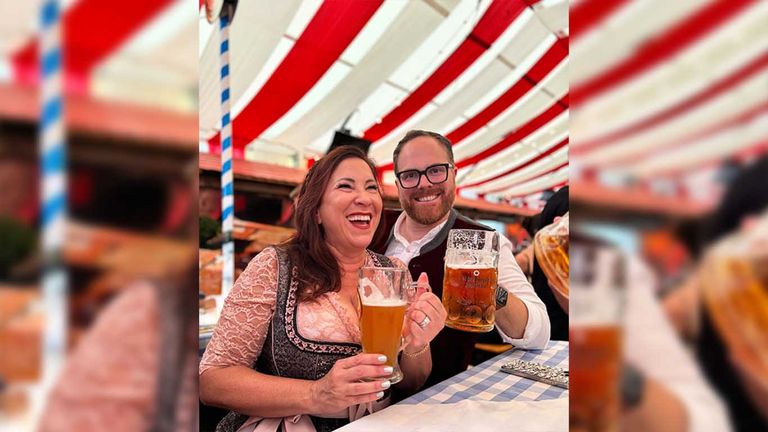
Würzburg's Frühhjahrsvolksfest leading up to Easter is Bavaria's first big folk and beer festival of the year, with an iconic marquee tent, live music, rides and food stalls. Augsburg follows with Plärrer, the next two-week beer festival, and Regensburg with Dult — all three are local celebrations that resemble Oktoberfest, without the hectic crowds. In Heidelberg, guests can enjoy the Heidelberger Frühling in March and April, one of Germany's largest classical music festivals.
“Americans flock to Oktoberfest in Munich, not aware that there are alternatives in our heritage cities across Germany, starting as early as March, with the soon-to-be 1,000-year-old Kiliani Beerfest in Würzburg in July, followed by the fall editions of Dult and Plärrer,” said Sascha Mayerer, GM of Historic Highlights of Germany, a complimentary resource for travel advisors that offers information, helps with itineraries and more. “Wine lovers and families will be pleasantly surprised at all these events.”
Spring Into Summer — When Cities Blossom
Spring is when Germany's heritage cities come into full bloom — literally, in the case of their verdant city centers and gardens, and figuratively, with celebrations of the often-overlooked Easter holidays.
Clients may be surprised to learn that Ostern (Easter) is celebrated nationwide, with Good Friday and Easter Monday marked as national holidays, unlike in the U.S. Decorations, arts and crafts, seasonal foods and Wiesbaden's Ostermarkt (Easter market) are just a few of the opportunities to tempt visitors during this season.
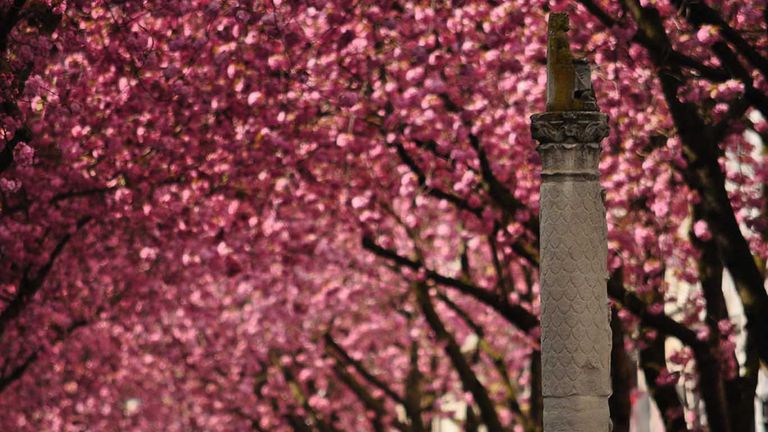
Bonn delivers visually striking spring highlights with its Cherry Blossom season in April, when cherry trees burst into full bloom on the first warmer days of the year and transform the streets into a sea of pink blossoms — a stunning sight not to be missed. By late May, Aachen hosts CHIO, the world's largest equestrian festival.
 © historicgermany.com
All 17 Historic Highlights cities stack their calendars in May and early June, making it a prime time of year to recommend to clients. Osnabrück's May Week turns the city center into an open-air stage for 10 days of music, culture and culinary celebrations. Send, Münster's biggest folk festival, is held three times a year at Schlossplatz, the largest funfair in Münsterland, which attracts up to 1 million visitors every year.
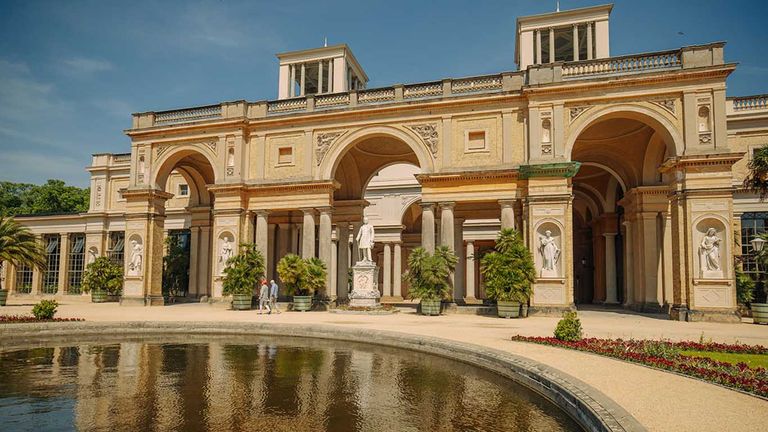
Meanwhile, music lovers and dancers will want to plan for Potsdam's Castle Night and Musikfestspiele. And, across the collection, Pfingsten (Pentecost) offers yet another long holiday weekend of local celebrations and Fete de la Musique brings lots of music in local neighborhoods.
 © PMSG SPSG/Julia Nimke
Summer Into Fall — When the Streets Come Alive
Summer brings more uniquely German cultural celebrations in the form of street festivals, music and arts events and harvest and wine celebrations, making it a lively period for travelers.
For wine lovers, the season feels especially rich. Freiburg hosts its Weinfest in July, and in Trier, there's a wine fest trilogy, with Winefest Olewig, Altstadtfest and the Viezfest, celebrating local apple wine. Wiesbaden's Rheingau wine fest is another must-see for wine enthusiasts.
Koblenz keeps summer in full swing with Weindorf from May into July, followed by Electronic Wine in mid-June at the Deutsches Eck. The season is capped off with Rhine in Flames in August. And Würzburg isn't just the Kiliani beer festival; it also offers musical fun by way of the acclaimed Mozart Fest, with performances staged at the stunning Würzburg Residence palace, a UNESCO World Heritage Site, and other venues. Wine enthusiasts can round out the visit at Würzburg's Weindorf and Weinparade.
 © Sandra Weinacht Inside Europe Beer Tours
Travelers looking to immerse themselves further in music may want to visit in July, when Regensburg's Bavarian Jazzweekend showcases musicians, bands and combos from all styles and genres of jazz music — a swinging good time for all.
In Tübingen, clients can mingle with university students as they share in a beloved tradition with the Stocherkahnrennen, a punt-boat race in which teams in ridiculous costumes navigate the Neckar River.
Lübeck's Hanse Kultur Festival turns the town into a vibrant festival venue in early June, while world-class regatta sailing meets a maritime festival with a big heart at Travemünder Woche in July. Rostock hosts Hanse Sail in August, which gathers traditional sailing ships from around the world and draws roughly 1 million visitors, giving clients a rare chance to experience historic seafaring culture.
Late summer into early fall extends the music calendar. Bonn's Beethoven Fest is a festival of classical music dedicated mostly to the music of Ludwig Van Beethoven, who was born there. The DomStufen-Festspiele in Erfurt turns the square in front of the cathedral into an open-air music stage.
Münster's Schauraum is held the first weekend of September, where museums and galleries take over the city through illuminations and an urban-lounge atmosphere.
Fall Into Winter — More Magical Markets
Autumn traditions culminate with St. Martin's Day on Nov. 7, with lantern-lit parades that will enchant visitors of all ages.
 © Münster Marketing, Peter Schwabe
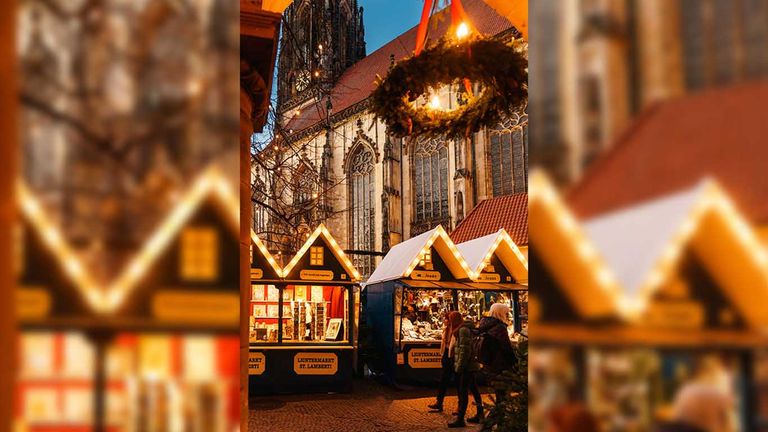
Once Christmas markets open in late November, Weihnachtsmärkte return across Historic Highlights cities, pairing centuries-old holiday traditions, festive decorations and concerts with seasonal foods and regional specialties. Visitors can dive into especially local traditions not found in larger cities, such as the "Mulled Wine Queen" at Trier's market, and the holiday season's ChocoLArt, Germany's largest chocolate festival, held in early December in Tübingen's half-timbered historic center.
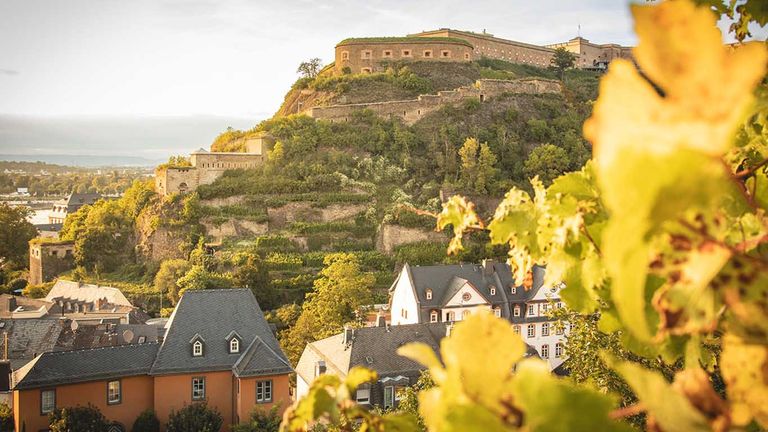 © Koblenz-Touristik GmbH Johannes Bruchhof
All 17 heritage cities offer uniquely local Christmas Markets in picturesque city centers with striking regional architecture, with some even offering holiday gardens. But the standout offering of the Historic Highlights of Germany during the holiday season and year-round has to be that these festivals and events aren't held to attract tourists. They are curated for locals, by locals — offering a taste of true life and authentic Gastfreundschaft that travelers can only experience in these exceptional destinations.
To learn more and start planning your clients' next trips to include one or a few of the 17 Historic Highlights of Germany, visit www.historicgermany.com.
