The walkable city of Chiang Mai, Thailand, is great for travelers who love stumbling upon spots with unique appeal. Especially within the moat-surrounded square mile of the Old City and in the hipster Nimman neighborhood, the city known as the Rose of the North is chockablock with buzzy cafes, teeming street markets, flavorful restaurants, tranquil temples and dreamy hotels.
With backpackers, digital nomads and expats all putting their mark on Chiang Mai, visiting Thailand’s second-largest city is easy and accessible — but it can leave visitors feeling unfulfilled. If serendipity is their only guide, travelers may feel a sense of sameness in places such as Chiang Mai, and hotel-curated excursions can feel Disney-fied. Increasingly, clients want meaningful experiences that help them understand the people and places they visit and that directly benefit local communities.
The solution? Responsible or community-based travel.
"The biggest reason to include community-based experiences is that they're simply better travel — they aren’t about adding something ‘worthy’ to an itinerary; they’re about adding depth,” said Ewan Cluckie, co-founder and chief growth officer at Tripseed, a Chiang Mai-based destination management company and social enterprise.
Here’s how you can make your clients’ northern Thailand stay more memorable — and meaningful.
Can’t-Miss Chiang Mai: Attractions For Every Traveler
Leave time for clients to soak up Chiang Mai’s chill vibe, wander the Old City, admire temples such as the silver Wat Sri Suphan and gold Wat Phra Singh, sample famous dishes like creamy khao soi curry noodles and browse the Sunday Walking Street market (recommend nearby Kalm Village’s gallery and shops, too).
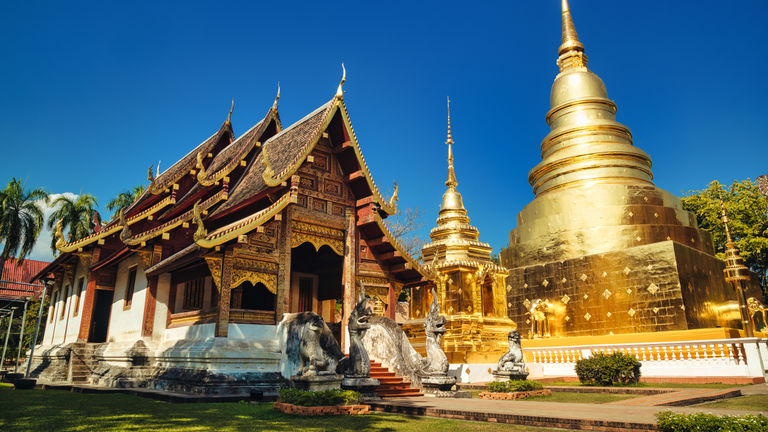 The Wat Phra Singh temple
Credit: 2026 Tourism Authority of ThailandOther options include cooking classes, hiking, hot-air ballooning, Thai massage, elephant camps and climbing the 306 naga (serpent)-framed stairs to Chiang Mai’s most sacred temple atop Doi Suthep. However, the choices advertised can be overwhelming for clients and, too often, most of the money goes to the organizers, rather than the local chefs, artisans, elephant mahouts and other service providers.
Integrate Meaningful Travel Experiences Into Client Itineraries
Higher-end hotels can provide guests with excellent activity recommendations, as well as in-house cooking classes and comfortable excursions. But travel advisors who can recommend tailored meaningful experiences “differentiate their offering and give their clients stories they'll be telling for years,” according to Cluckie.
“A cooking class in a village kitchen with a family who has farmed those ingredients for generations is far more memorable than a large group class where attention is divided and clients are at just one of many cooking stations with pre-prepared ingredients,” he added. “But beyond that, when travelers engage directly with communities, the economic benefit directly reaches the people who need it most.”
Chiang Mai Beyond the Surface
Handmade products are available throughout Thailand’s street markets, though they are intermingled with factory-made imports from Vietnam and China. Steer clients who want to bring home something unique and sustainable to Jing Jai Central market. It operates under the concept of Creating Shared Value, where social and environmental progress are as important as economic growth. The antithesis of Sunday Walking Street, Jing Jai is relaxed and spacious, with higher-end handmade clothing and crafts hard to find elsewhere, and food focused on organic ingredients. The market is open daily, with more vendors on weekends, and it’s a 30-minute walk or 10-minute drive north of the Old City.
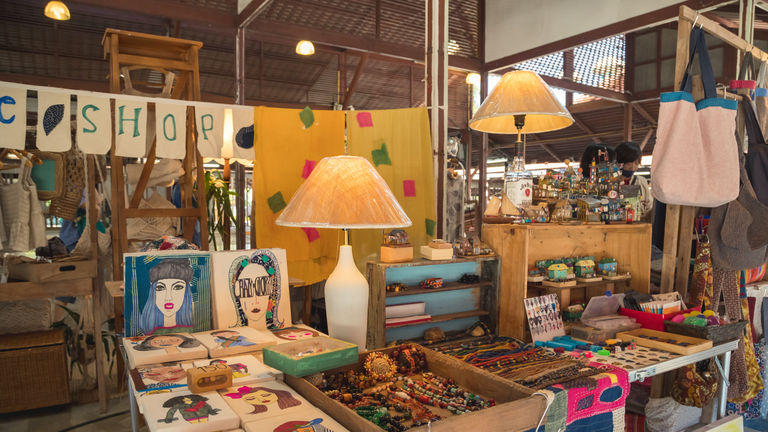 The Jing Jai market offers higher-end handmade clothing and unique crafts.
Credit: 2026 Tourism Authority of ThailandSome 10 miles east of the Old City, meanwhile, lies Bo Sang Umbrella Village, where artisans have been making umbrellas from bamboo and mulberry paper by hand for more than a century. Clients can learn about the history and process, participate in workshops and buy hand-painted paper fans, lanterns and parasols. The village hosts a charming umbrella festival in January.
Clients seeking some Zen will appreciate the tea garden tour from Araksa, where they’ll witness tea-pluckers picking tea leaves amongst butterflies; learn how tea is roasted, brewed and paired; and enjoy a tasting session. The organic plantation preserves traditional techniques and predominantly employs women from the Lisu, Akka, Hmong and local Thai communities. An immersive tea workshop that teaches blending and pairing is also on offer here.
For more options, travel advisors can partner with organizations such as Tripseed, which designs unique, community-based travel experiences, as well as check the ever-growing Meaningful Travel Map from Tourism Cares. The U.S.-based global nonprofit vets experience providers using sustainable and meaningful travel criteria.
Where to Stay in Chiang Mai
Kantary Hills Chiang Mai, one of 24 properties in the Cape & Kantary family, is in the cafe-filled Nimmanhaemin Road area, with views to Doi Suthep mountain. One block from a vibrant night market and a 15-minute walk from the Maya Lifestyle Shopping Center, Kantary Hills offers a home-away-from-home hotel experience in spacious suites with kitchenettes. Its restaurants feature local products, such as cage-free eggs and sustainable Royal Project Foundation salad vegetables. Aromatic bathroom amenities are from Tourism Cares Impact Partner Patom Organic Living.
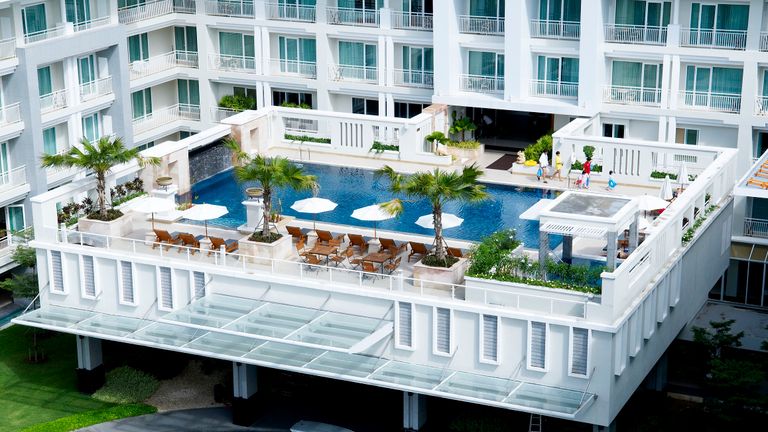 Travelers can stay at the Kantary Hills Chiang Mai Hotel, which is close to a vibrant night market and the Maya Lifestyle Shopping Center.
Credit: 2026 Cape & Kantary HotelsFor vegan and/or alcohol-free clients, recommend Away Chiang Mai Thapae Resort. A five-minute walk from the Old City’s Tha Phae Gate, this Veggie Hotels member and Tourism Cares Impact Partner sources organic ingredients from the Chiang Mai area and offers sound healing, meditation and yoga.
Cross Chiang Mai Riverside, meanwhile, is northeast of the Old City, and a 25-minute walk from Jing Jai. Another Tourism Cares Impact Partner, the luxury eco-hotel’s 29 balconied rooms are surrounded by gardens featuring century-old tamarind trees. Clients can borrow a kayak to explore the river, then enjoy Thai-French fusion riverside in the glass-enclosed, Michelin-recommended Oxygen Dining Room.
Getting to Chiang Mai
Domestic flights are available in popular Thailand tourist spots such as Bangkok, Phuket, Krabi and Koh Samui. Regional hubs with direct Chiang Mai International Airport (CNX) flights include Singapore; Taipei, Taiwan; Hong Kong; Kuala Lumpur, Malaysia; and Hanoi, Vietnam. Starting June 20, Airports of Thailand will double the passenger service charge to 1,120 Thai baht (about $34) for all outbound international passengers at six airports, including CNX. The fee remains 130 baht (about $4) for domestic flights.
