Japan’s marquee cities, including Tokyo, Osaka and Kyoto, draw record crowds, but for travelers willing to look north, a very different rhythm awaits.
Hokkaido, the country’s northernmost main island, is best known for its powder skiing, but it also delights with volcanic landscapes, geothermal hot springs and a deep sense of place shaped by both nature and culture.
A quick 90-minute flight from Tokyo’s Haneda Airport to Hokkaido’s New Chitose Airport puts clients just south of Sapporo, the island’s capital. From there, it’s straightforward to get around by car. For those accustomed to navigating Japan by rail, a self-drive journey offers flexibility and quiet access to more remote corners of the island.
Multiple daily nonstop flights connect the two airports via several carriers, including ANA and Japan Airlines, both of which are currently offering free domestic flights to travelers flying to Japan from the U.S. — an incentive to explore beyond Tokyo. Here’s how to plan a self-drive adventure for clients in southern Hokkaido.
Ainu Culture and Ryokans
From New Chitose Airport, a 45-minute drive leads to Upopoy National Ainu Museum and Park, set on the serene shores of Lake Poroto. Opened in 2020, the immersive museum preserves and shares the culture of the Ainu, Japan’s Indigenous people. Clients can learn to play the mukkuri mouth harp, explore the Ainu language, watch traditional songs and dances, and wander around a reconstructed kotan village.
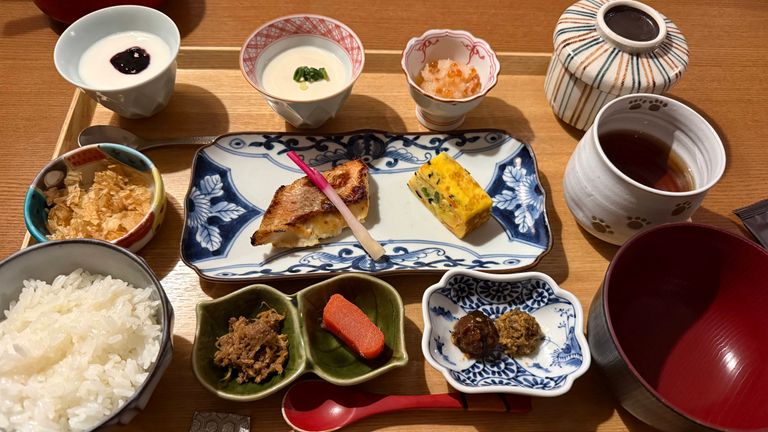 Breakfast at Hoshino Resorts Kai Poroto
Credit: 2026 Erin Gifford
Steps away, Hoshino Resorts Kai Poroto is a lakeside onsen ryokan that pairs calming views with Ainu-influenced design, from carved wood accents to a cone-shaped bathhouse inspired by traditional huts. Dinner unfolds as a multicourse kaiseki that reflects the region’s culinary heritage, starting with artful small bites, such as roast duck with grape miso and sansho pickled salmon, presented on a wooden boat-shaped platter. Breakfast follows suit with a thoughtfully arranged selection, including ginger-simmered beef and kombu seaweed.
Volcanoes and Geopark Landscapes
A one-hour drive from Upopoy and Kai Poroto leads to Usuzan Ropeway, where a six-minute cable car ride ascends the slopes of Mount Usu, an active volcano within Shikotsu-Toya National Park. From the observation deck, clients can take in the views of Lake Toya and a rugged landscape shaped by past eruptions.
Nearby, Toya-Usu UNESCO Global Geopark, which includes part of Shikotsu-Toya National Park, offers a deeper look at the region’s geological and volcanic history. Trails wind past preserved “disaster traces,” including a public bath house and an apartment building, both irreparably damaged by the last eruption in 2000 and left as reminders of nature’s raw power. In winter, guided snowshoe tours traverse the stark terrain. Spring opens up hiking routes around Lake Toya.
Suggest clients overnight at The Lake View Toya Nonokaze Resort, a sleek, modern ryokan with hotel-style amenities and lake views. A rooftop onsen features an infinity-like bath. A stroll through the small hot-spring resort town of Toyako Onsen reveals public hand and foot baths fed by geothermal springs.
Water and Wilderness
From Lake Toya, travelers can continue on to Lake Shikotsu, one of Japan’s clearest lakes. Outdoor adventures span all seasons. In winter, outfitter Ocean Days runs guided treks to the frozen Nanayo waterfall and clear-bottom kayaking on the ice-free lake in dry suits. In summer, a moss corridor hike reveals a lush ecosystem filled with more than 80 varieties of moss.
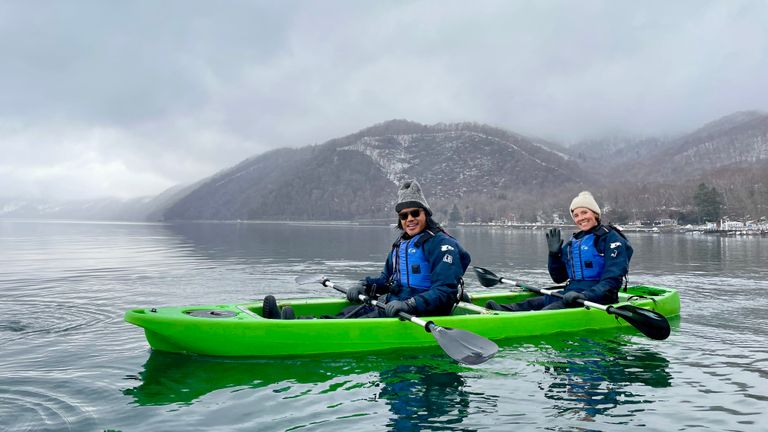 Lake Shikotsu offers year-round outdoor adventures.
Credit: 2026 Erin Gifford
The small lakeside village of Shikotsuko offers simple pleasures, such as a steaming bowl of ramen and a stop for Hokkaido’s famously rich soft-serve ice cream, which are within easy walking distance of the lakeshore.
In the evening, clients can overnight at Marukoma Onsen Ryokan. This traditional ryokan, known for natural open-air baths and views across Lake Shikotsu, delivers a memorable stay thanks to tatami-floored rooms, minimalist design and a seasonal multicourse kaiseki dinner.
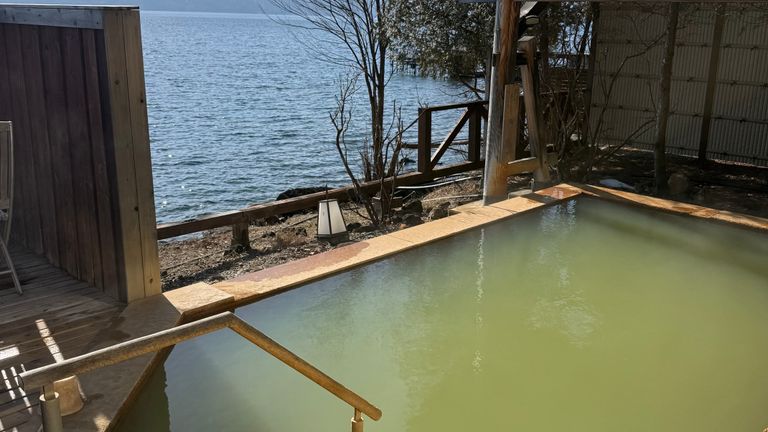 Marukoma Onsen Ryokan offers views across Lake Shikotsu.
Credit: 2026 Erin Gifford
Urban Finish
The final leg of the self-drive tour of Hokkaido leads to Sapporo, a city of nearly 2 million people that welcomes visitors with urban charm. Host of the 1972 Winter Olympics — the first held in Asia — Sapporo remains under the radar for many Western travelers, adding to its appeal.
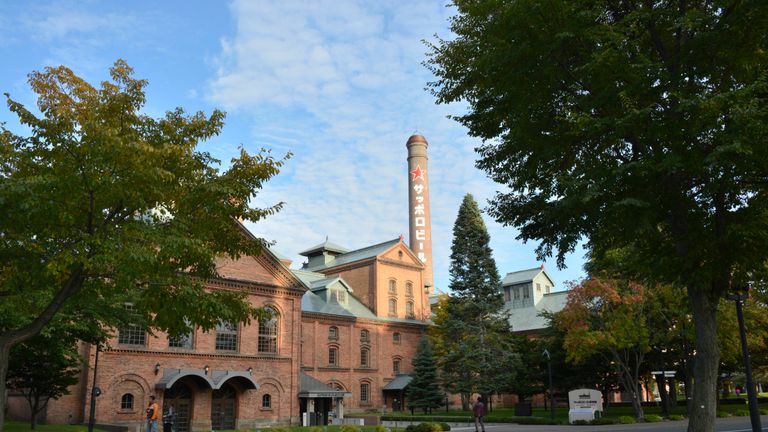 Sapporo Beer Museum is home to beer varieties available only here.
Credit: 2026 City of Sapporo
Food here is a true highlight. The city is the birthplace of soup curry, a brothy, spice-forward dish filled with hearty chunks of root vegetables, as well as tender meats or seafood. It’s also the place to try jingisukan, a popular, grill-it-yourself lamb specialty named after Mongol Empire ruler Genghis Khan that's often cooked in a distinctive helmet-shaped grill.
A visit to Sapporo Beer Museum offers insights into one of Japan’s most recognizable brews, which dates back to 1876. In the beer garden, travelers can sample varieties only find in Japan, including Sapporo Classic — available only in Hokkaido — and Kaitakushi-Beer, poured exclusively on-site.
For a final night, The Royal Park Canvas Sapporo Odori Park puts clients within easy reach of key sights, including the Sapporo Clock Tower and Hokkaido Shrine. Just across the street from the hotel, the iconic Sapporo TV Tower rises above the city. Built in 1956, it’s the urban counterpoint to the natural landscapes that define southern Hokkaido.
