The story of Rio de Janeiro is often told through its beaches and nightlife, but some of its deepest cultural moments live at the table.
Across neighborhoods and kitchens, Afro-Brazilian cuisine carries the memory of enslaved Africans whose culinary traditions shaped Brazil’s food identity. Between 1811 and 1831, Rio de Janeiro was the primary port for the transatlantic slave trade, receiving nearly 1 million enslaved Africans at the Valongo Wharf, now a UNESCO World Heritage Site. Today, a new generation of chefs, many of them women, are preserving those ancestral flavors as living expressions of culture and community.
If clients are planning a trip to Rio de Janeiro this year, they can indulge in the rich African-inspired flavors found all around the city. Here are four Afro-Brazilian businesses to recommend.
Yaya Comidaria Pop Brasileira
At Yaya Comidaria Pop Brasileira, chef Andressa Cabral — a presenter on “Iron Chef Brazil” — features dishes that use traditional African ingredients. From cassava, okra and seafood, the fare here reflects comforting flavors from recipes that have been passed down.
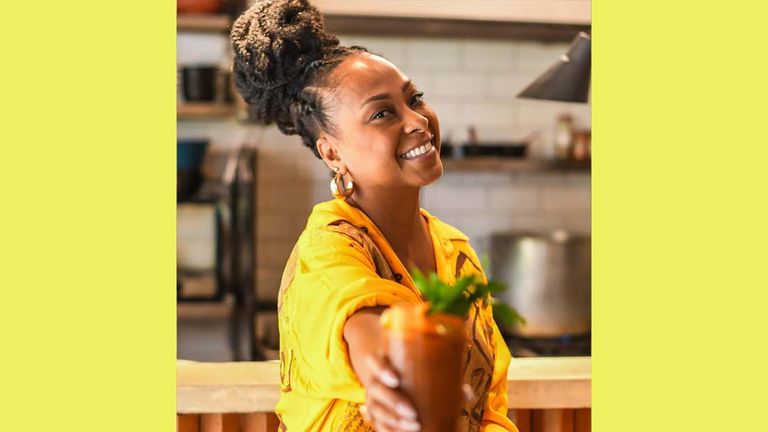 Chef Andressa Cabral
Credit: 2026 Yaya Comidaria Pop BrasileiraDedicated to Brazilian Black gastronomic culture, Cabral opened the restaurant in 2021 in the Leme neighborhood. One of the main dishes is acaraje, a type of fritter made from black-eyed peas deep-fried in dende (red palm oil). The restaurant models an open kitchen, with warm lighting and intimate seating that fosters conversation.
Dois de Fevereiro
Located in Little Africa — one of Rio’s most historically rich Afro-Brazilian neighborhoods — Dois de Fevereiro honors the cuisine of Bahia, the heartland of Afro-Brazilian food culture. Named after the celebration that worships Iemanja, a water deity in the Yoruba religion, the venue is steeped in spiritual and cultural symbolism.
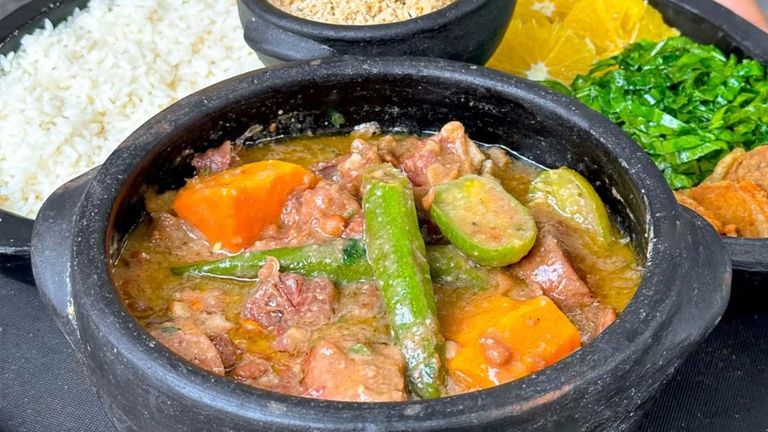 Food here reflects the flavors of Bahia.
Credit: 2026 Dois de FevereiroLed by chef Joao Diamante, the eatery has been recognized as one of the best Brazilian eateries in Rio, as well as one of the best restaurants in the world. The interior features decor and elements dedicated to Iemanja, while outside, tables line the sidewalk under an awning with the words “Where Rio is most Bahian.” Comforting dishes such as bobo de camarao (shrimp stew) simmer in clay pots, rich with shrimp, palm oil, coconut milk and yuca root. Other offerings, such as torresmos (crispy pork belly) and tender octopus, evoke the bold flavors of Bahia.
Nega Tereza Bar
Located in Santa Teresa, a historic hilltop neighborhood known for its bohemian, artistic vibe, Nega Tereza blends heritage with warmth, offering dishes that feel like they came straight from the family kitchen. The restaurant has the charm of a true local spot, with a no-frills, casual atmosphere.
Go for simple, comforting dishes such as frango com quiabo (chicken with okra) or feijoada da Nega (Black woman’s feijoada), a traditional Brazilian bean and pork stew. Nega Tereza celebrates Afro-Brazilian culinary traditions through an intimate atmosphere and recipes that honor home cooking.
Ago Bar da Encruza
Ago Bar da Encruza is a space where food, culture and Afro-Brazilian spirituality intersect. Also located in Santa Teresa, the restaurant is led by Kananda Soares and thrives under the logic of Exu, a major deity in the Yoruba religion and Afro-Brazilian traditions, known as a messenger connecting worlds and driving change. The venue is lively and colorful, often hosting live music, and is filled with vibrant cultural art.
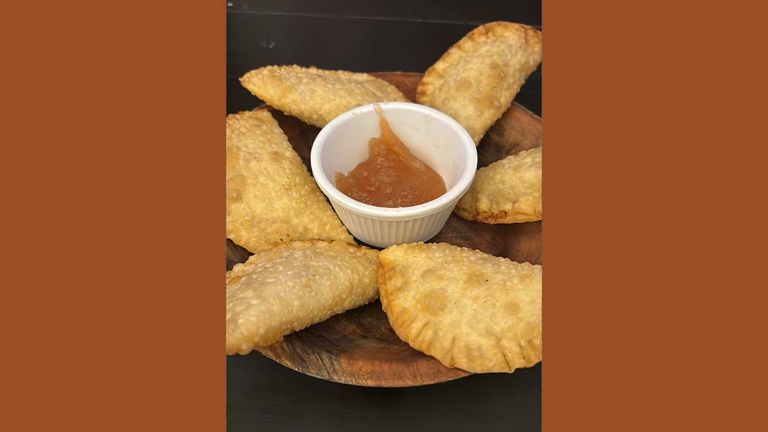 Order the pastel de camarao (fried shrimp pastry) at Ago Bar da Encruza in Santa Teresa.
Credit: 2026 Kayla BrockIts name, Ago, is a Yoruba term meaning a request for permission to enter and exit. Indulge in pastel de camarao (fried shrimp pastry) and moela com angu e gratin de quiabo (chicken gizzard with polenta and okra), a dish with Carioca origins that historically fed the Black populations of Rio’s first favelas (low-income communities).
These kitchens tell a story larger than food. Holding on to tradition and preserving recipes, Rio de Janeiro’s Afro-Brazilian cuisine is alive, evolving and deeply rooted in community.
