It is easy to understand the desire to visit the most popular tourist spots and bucket-list destinations when traveling to a new country. But for my first trip to Germany, I chose to do things differently.
Instead of the major cities, I visited five of the 17 smaller and lesser-known heritage cities that make up the Historic Highlights of Germany. What I discovered were walkable towns offering authenticity, rich local history, overwhelming charm and unexpected delights. Kicking off from Berlin, my 10-day train agenda included the heritage towns of Rostock, Luebeck, Erfurt, Wuerzburg and Wiesbaden.
Each of these towns is uniquely charming, radiating with history and tradition. As part of the Historic Highlights collection, they must all be thriving university towns complete with activities and options for all types of visitors. They also all share a similar sense of community and pride in preserving their heritage. There were certainly some surprises along the way, including both traditional and ultra-modern cuisine, excellent wine and interactive museums.
The biggest takeaway I had was that these towns are not just add-ons. They are fascinating time capsules, filled with culture and traditions. Here are some of the most notable highlights of these five charming towns.
Rostock/Warnemunde
Rostock/Warnemunde, formerly part of East Germany and now a popular cruise port, is home to a traditional and authentic-feeling Christmas market, the largest in Northern Germany. Many of the festive stalls have been operated by local families for decades. Visitors can take advantage of a free public transit pass available through the hotels, including the train to/from Warnemunde, with its wide, sandy beaches.
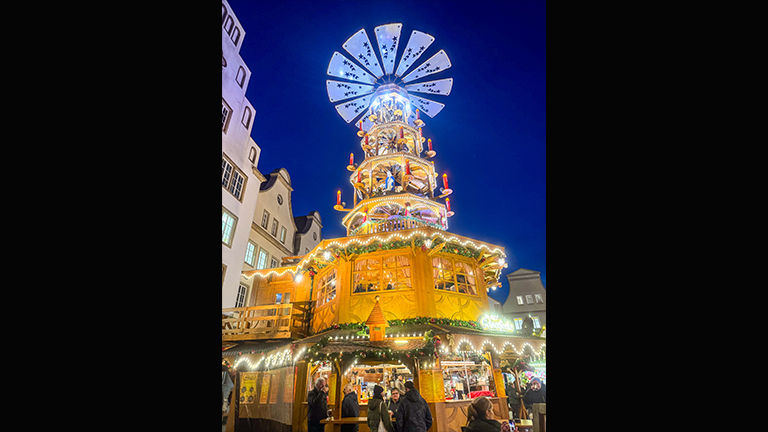 The Christmas market in Rostock/Warnemunde is the largest in Northern Germany.
Credit: 2026 Jacqueline HurstLuebeck
Luebeck’s Old Town is a UNESCO World Heritage Site. A suggested 90-minute guided tour upon arrival will take clients inside the ancient city walls to discover hidden alleyways and eclectic architecture. A visit to the interactive European Hansemuseum is a must to learn how Luebeck became one of the most important trading partners in the Hanseatic League.
Erfurt
This historic city retains many original buildings and structures, adding to its overall beauty and charm. The Merchants’ Bridge is a marvel which locals claim rivals Ponte Vecchio in Florence. Zitadelle Petersberg, the former St. Peter’s Monastery, sits high above the city and offers a unique VR-enhanced experience that is both informational and fun.
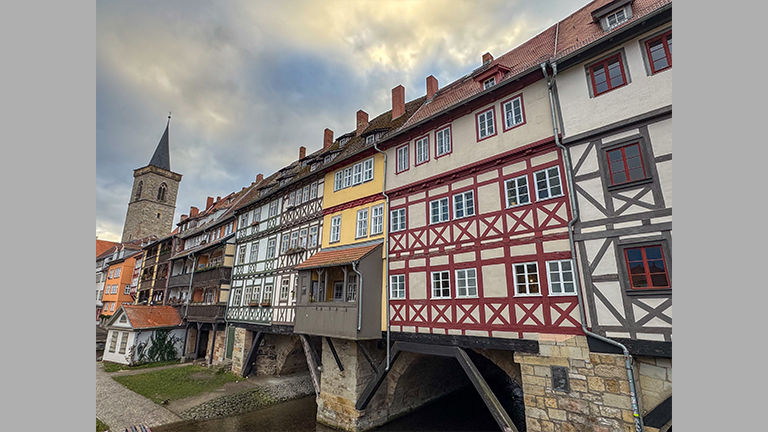 The Merchants’ Bridge is a must-see in Erfurt.
Credit: 2026 Jacqueline HurstWuerzburg
It’s hard to believe that the baroque city of Wuerzburg suffered major destruction at the end of WWII. Every visit should include a guided walking tour to see firsthand how this town was reborn into a thriving city whose architecture still reflects a remarkable history. Visitors looking for that “Instagram moment” will find it here on the Old Main Bridge, where locals and visitors alike gather each afternoon to sip locally produced wine and admire the sunset over the river.
 Stunning photos can be taken from Wuerzburg’s Old Main Bridge.
Credit: 2026 Jacqueline HurstWiesbaden
Wiesbaden, only 30 minutes by car from Frankfurt’s airport, is a must-see. It is known as one of the oldest spa towns in Europe and has a rich history of notable visitors who came for the healing powers of the thermal springs. Each year, Wiesbaden’s Shooting Star Christmas Market is flooded with twinkling lights and joyful merchants. And Taylor Swift fans won’t want to skip a visit to Museum Wiesbaden, home to the Theodor Heyser painting of Ophelia that inspired Swift’s “The Fate of Ophelia” music video.
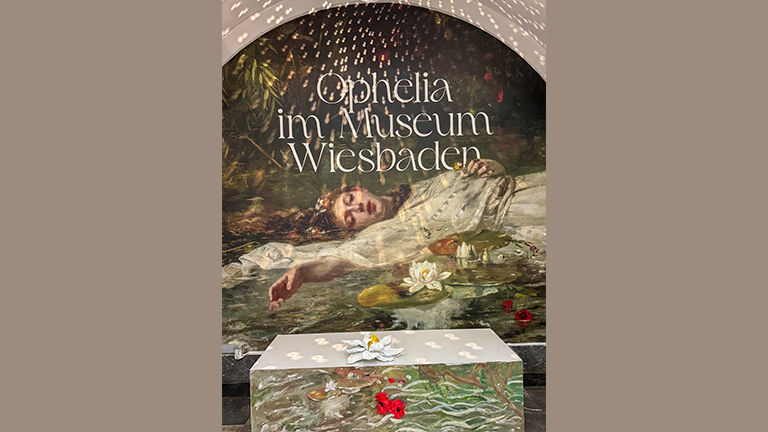 Taylor Swift fans can see the Theodor Heyser painting of Ophelia that inspired the singer’s “The Fate of Ophelia” music video.
Credit: 2026 Jacqueline HurstTravel Advisor Tips for Booking Historic Highlights of Germany
The team at Historic Highlights of Germany makes it easy for travelers to veer off the beaten path for a truly immersive experience. The treasure trove of resources they offer — including sample itineraries — are available to travel advisors free of charge. A few tips:
- Book clients a 90-minute guided walking tour at the start of their visit. Not only will they learn the unique history of each town, they will also familiarize themselves with their surroundings, so they can easily navigate the winding, small-town streets on their own. Historic Highlights of Germany can put travel advisors in touch with the tourism representatives at each town to arrange the best local guides.
- Most of the 17 towns are a short drive or quick train ride from major German gateway cities, making it easy to include two or three of them on every itinerary.
- Time clients’ visits to coincide with local festivals, including popular beer and wine events.
- Encourage clients to visit the local tourist offices in each town. They are usually centrally located and offer tips, suggestions, tickets and even souvenirs.
