At first glance, Torshavn in the Faroe Islands feels almost too small to be a capital. Its slate-colored harbor hems in a jumble of turf-roofed stone houses. Fishing boats unload their catch beside modern cafes. Sheep graze within city limits.
With only 20,000 residents, Torshavn is one of the least populated capital cities in the world — yet it punches far above its weight in culture, cuisine and character.
This Nordic city is both the political and cultural heart of the Faroe Islands. Red-painted cottages that serve as parliament buildings sit just steps from natural wine bars, shops selling Faroese knitwear and some of the most inventive Nordic restaurants anywhere (including several Michelin-starred or -recognized eateries). Better yet, new boutique hotels and design-forward guesthouses make it easier than ever to stay, while local galleries and music venues give the city a creative pulse that feels uniquely Faroese.
This summer, the tourism board also rolled out a first-of-its-kind self-drive program, designed to guide travelers across all 18 islands while avoiding the crowding that has strained other North Atlantic destinations. In doing so, the Faroe Islands has driven new interest in this remote archipelago situated between Iceland and Scotland. Torshavn is the starting point for those self-drive itineraries, and it’s also where travelers eat, sleep and explore between road trips.
Here’s where to eat, sleep and play in Torshavn.
What to Do in Torshavn
The city’s history is most tangible in Tinganes, a tiny peninsula of turf-roofed, black-tarred wooden houses that has served as the seat of Faroese governance for more than a millennium. Its narrow alleyways — once home to fishermen and statesmen alike — lead directly to the harbor, where colorful (albeit faded) traditional boats still bob between fishing trips. A short stroll away, the Faroe Islands National Museum traces the area’s evolution from Viking outpost to modern society shaped by the sea, while The Nordic House offers concerts, art exhibitions, film screenings and lectures.
Torshavn’s shopping scene is small but surprisingly thoughtful, with most shops focused on local craft rather than labels clients would see elsewhere in Europe. Faroese wool is the star — visitors will find sweaters, scarves and blankets made from the islands’ hardy sheep, ranging from classic fisherman styles to modern pieces at Gudrun & Gudrun. It’s also worth popping into Ostrom, a design collective housed in an old industrial building, for ceramics, wool goods, jewelry and homeware made by local artists.
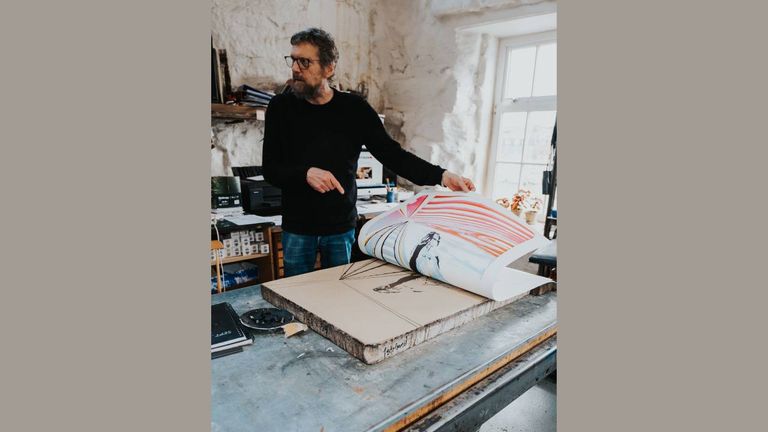 Art enthusiasts can enjoy fine-art print workshops and small galleries around the harbor.
Credit: 2025 Visit Faroe IslandsArt aficionados should stop at Steinprent, a fine-art print workshop where local and Nordic artists produce limited-edition lithographs, while photography fans will love the small galleries around the harbor. For books, H.N. Jacobsens Bokahandil, the oldest bookstore in the Faroe Islands, carries everything from English-language editions of local folklore to modern Faroese novels.
Torshavn also has a lively music scene, shaped by long winters, tight-knit communities and a national love of singing. Live music is most visible during the summer Olavsoka (National Day) festival, held July 29, when the capital erupts into concerts and communal singing in the streets, but guests will find it year-round in smaller, more intimate venues. Reinsariid, a cozy performance space in a historic building near the harbor, regularly hosts indie bands, folk acts and experimental musicians, while pubs such as Sirkus Foroyar pack in locals for everything from acoustic sets to rowdy late-night DJs.
For something outdoorsy, travelers can tour the Vidarlundin park’s tree collection — an oddity in a country where forests barely exist — and learn how every spruce and birch was deliberately planted in defiance of the islands’ fierce winds.
Where to Eat and Drink in Torshavn
In the Faroe Islands, scarcity has always been the mother of invention: With few crops able to withstand the gales and a short growing season, locals leaned on the wind and sea to shape their cuisine, fermenting lamb in sheds perched on cliffsides and pulling urchins and mussels straight from the fjords. What began as survival has, in recent years, become one of Europe’s most inventive food cultures.
Paz, opened in April 2025 by chef Poul Andrias Ziska, earned its two Michelin stars within a matter of weeks for serving a tasting menu centered entirely on the Faroe Islands’ land, sea and ancient tradition of fermentation. Several other local spots are now recognized by the Michelin Guide as well, including Raest, which focuses squarely on traditional Faroese fermentation, and Roks, which offers a modern, seafood-forward menu (not to be confused to Koks, another Michelin-starred restaurant that is currently closed while it searches for a permanent new home). For something less formal, Restaurant Katrina Christiansen serves shareable small plates — hot-smoked salmon, lamb croquettes, fried haddock — in a historic wooden house near the harbor, while sushi spot Etika leans into the islands’ exceptional seafood with langoustine and line-caught cod.
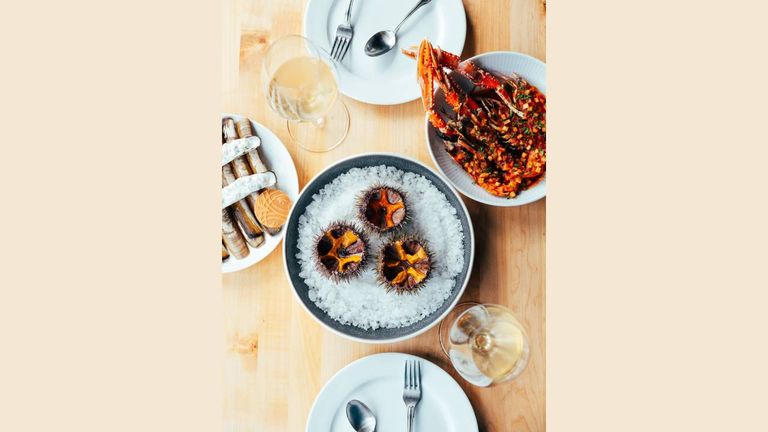 Torshavn has a variety of food options for travelers.
Credit: 2025 Visit Faroe IslandsFor straightforward coffee, fresh pastries and simple lunches, recommend clients visit Brell Cafe, Paname Cafe and Kafe Kaspar, which fill up with locals waiting out the weather or catching up on the day’s gossip.
When the day winds down, OY Brewing pours craft beers made with Faroese rainwater in a casual taproom that draws a mix of locals and visitors. (Pro tip: Get the licorice-salted stout.) Another option is Mikkeller Bar Torshavn, which is tucked inside a historic house with creaky floors and offers a strong Nordic beer list.
Where to Stay in Torshavn
For sweeping panoramic views, the hillside Hotel Foroyar sits just above the city, its grass-roofed architecture hinting at local traditions while delivering large, light-filled rooms and a couple restaurants that draw in both locals and visitors. The hotel’s wellness arm, Ress Spa, recently expanded and now features heated indoor pools, cold plunges and a series of saunas and steam rooms, in addition to treatment rooms for massages and facials.
In contrast, if clients prefer to stay in the heart of the action, the centrally located Hotel Hafnia offers newly renovated rooms within a few minutes’ walk of the harbor.
