As Mexico’s most-visited tourism region, the Mexican Caribbean comprises a variety of world-famous destinations — vacation hot spots including Cancun, Cozumel, Playa del Carmen and Tulum, to name a few.
But while its legendary reputation has existed for years, the Mexican Caribbean (which is the tourism marketing name for the Mexican state of Quintana Roo) continues to evolve, as increased connectivity, a new airport and rail link, and up-and-coming destinations spark continued growth.
Cancun, meanwhile, is even positioning itself as a gateway for travelers attending World Cup events in other Mexican cities.
In this wide-ranging interview, Andres Martinez, CEO of the Mexican Caribbean Tourism Board, addresses a variety of issues affecting travel to the region this year, including airlift, sustainability, visitor spend and the role of travel advisors in promoting the destination.
The Mexican Caribbean has long been Mexico's most-visited and best-connected region. How would you describe the evolution of the state?
Over the past decade, Quintana Roo has evolved from a destination defined primarily by scale into one defined by diversity, sophistication and depth. Five to 10 years ago, the strength of the Mexican Caribbean was clearly rooted in volume and sun-and-beach tourism. Today, while that foundation remains essential, the state offers a much broader and more nuanced value proposition. We now speak about 12 destinations with distinct identities, each appealing to different traveler motivations, from luxury and wellness to nature, culture, gastronomy and business events.
How have visitor demographics changed?
The traveler profile has also evolved. We are seeing greater demand for personalized, high-quality experiences, which has driven growth in luxury hotels, boutique properties, fine dining and curated experiences across the state. At the same time, there has been a strong focus on planning and connectivity that allows visitors to move more easily within the destination and discover new areas, supporting a more balanced distribution of tourism benefits.
We position the Mexican Caribbean as a destination with the capacity to serve every type of traveler and every travel motivation within a single region. Rather than segmenting in a rigid way, we focus on showcasing the destination’s versatility — luxury, wellness, family travel, romance, gastronomy, culture, nature, adventure and business travel all coexist here.
How was 2025 for the Mexican Caribbean, and what your expectations for this year?
In 2025, the Mexican Caribbean welcomed approximately 21 million visitors, reaffirming its position as Mexico’s most-visited tourism region. Looking ahead to 2026, our focus is not solely on increasing volume; while we expect demand to remain strong, our strategy places greater emphasis on visitor spend, length of stay and the quality of the travel experience. Growth is being guided by higher-value segments such as luxury, wellness, gastronomy, culture and multi-destination travel, ensuring tourism continues to generate meaningful economic impact while supporting long-term balance and sustainability.
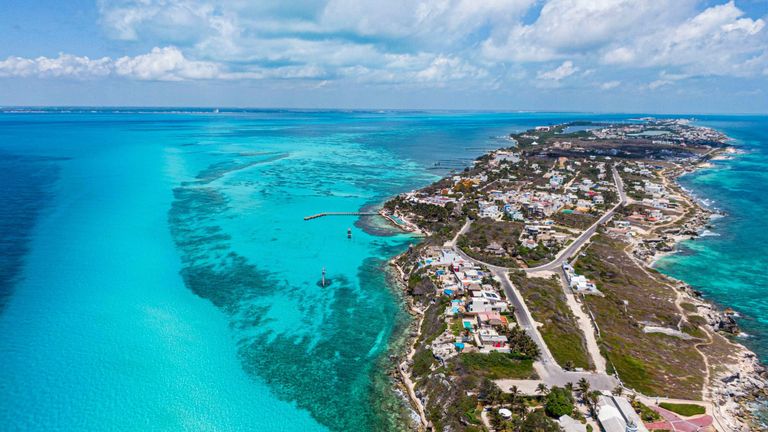 The region is seeing greater demand for personalized, high-quality experiences.
Credit: 2026 Mexican Caribbean Tourism BoardWhat impact are you seeing from the Tren Maya on tourism flows, and how do you envision travelers incorporating rail into itineraries that may have traditionally been resort-only beach stays?
The early impact is that the Mayan Train is beginning to function as a true itinerary extender, giving travelers the ability to visit more than one destination within a single trip and move more easily across the state. This opens the door to combining different experiences — such as beach, culture, nature and gastronomy — within the same journey, rather than staying in one place throughout the visit. A resort stay can remain the anchor, while the Mayan Train enables a two- or three-night extension that connects travelers with additional destinations and experiences across the Mexican Caribbean.
How is the new Tulum Airport reshaping access to the region?
The Tulum Airport adds a new front door that is closer not only to many of the experiences travelers seek in that part of the state, but also to destinations in the south of Quintana Roo, improving overall travel flow and opening new opportunities for multi-destination itineraries. For travel advisors, the opportunity lies in packaging arrivals into Tulum and then pairing them with other parts of the Mexican Caribbean.
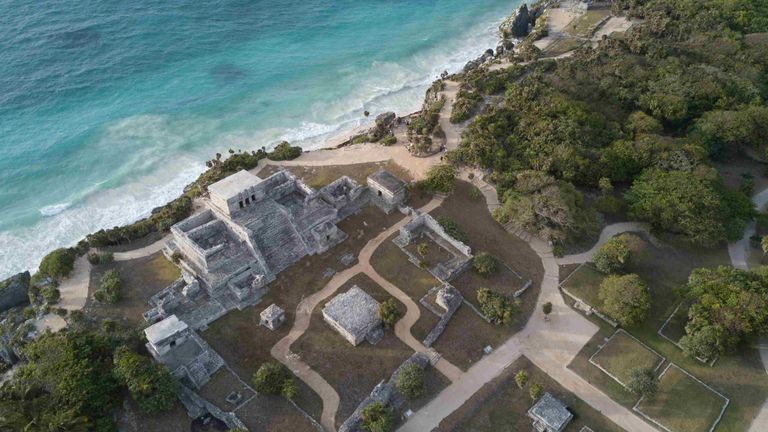 The Tulum airport improves the overall travel flow and opens new opportunities for multi-destination itineraries.
Credit: 2026 Mexican Caribbean Tourism BoardAre there any plans are in the works for Cancun International Airport?
There is a significant, multi-year investment plan for the Cancun Airport, including projects tied to expansion and operational improvements. Reporting on those plans has highlighted Terminal 4 expansion and a new control tower as part of the airport’s capacity and efficiency improvements.
How important is sustainability for the region's tourism segment? How can visitors have a more positive impact?
Sustainability is central because the Mexican Caribbean’s greatest asset is its natural and cultural heritage: beaches, reefs, jungle, cenotes and living communities. The region is expanding sustainable, low-impact offerings such as Maya Ka’an, a community driven ecotourism destination designed to protect nature and generate benefits for local communities.
Visitors can make a real difference through simple choices: Book responsible operators, respect wildlife and protected areas, avoid touching coral or standing on reefs, and follow local guidance in sensitive ecosystems. The destination also participates in recognized environmental quality programs — for example, the Mexican Caribbean has highlighted its Blue Flag recognitions for beaches and tourism vessels as part of ongoing environmental standards.
How important are travel advisors in the Mexican Caribbean’s success?
Travel advisors play a fundamental role in this process. Their expertise allows them to translate the destination’s broad offer into highly tailored itineraries. In 2026, we are continuing to strengthen our collaboration with the advisor community by aligning our messaging with emerging traveler trends and providing tools that help agents sell experiences, not just places. Ultimately, our goal is to ensure that advisors have the clarity, flexibility and confidence to match each traveler with the Mexican Caribbean experience that best fits their needs and expectations.
