Aurora Expeditions is currently marking its 35th anniversary with a continued focus on sustainable growth. The cruise line’s head of global sales, David Tanguay, shared insights on the milestone, how advisors can position the brand and what’s ahead for the company.
How does it feel for Aurora Expeditions to reach its 35th year in operation?
Reaching 35 years is a meaningful moment for Aurora Expeditions and an opportunity to reflect on how the company has evolved while staying true to its expedition roots. What began in 1991 as a small Australian expedition operator has grown into a global expedition company operating three purpose-built ships and delivering journeys across all seven continents.
That growth has been intentional. From the beginning, the focus has been on responsible exploration, experienced expedition leadership and creating meaningful connections with the places we visit. Celebrating this milestone is less about looking back and more about recognizing how those values continue to guide the way we operate today — and how they shape the next chapter for expedition travel.
From the beginning, the focus has been on responsible exploration, experienced expedition leadership and creating meaningful connections with the places we visit.
The Aurora fleet is relatively small at three ships — how does that play into the line’s operating strategy?
Fleet size has been a very deliberate decision for Aurora. Rather than pursuing scale, we’ve focused on operating small, purpose-built expedition ships that support both a low-impact approach and a more immersive guest experience.
 David Tanguay, head of global sales for Aurora
Credit: 2026 Aurora ExpeditionsWith landing limits in Antarctica and parts of the Arctic, maintaining smaller group sizes is important. Although our ships can accommodate up to 150 passengers, we typically cap voyages around 130 expeditioners. This allows for more time on shore, often with two landings per day, and creates a more meaningful way to experience these remote environments.
For us, sustainability isn’t just about ship design — it’s also about how people experience a destination. Smaller groups help reduce operational impact while enabling deeper engagement with the wildlife, landscapes and science that define expedition travel.
How has the company still successfully grown within that deliberate footprint?
Aurora’s growth has been guided by accountability and long-term responsibility. Becoming a certified B Corporation in early 2024 [as a for-profit company certified by the non-profit B Lab] formalized commitments that have long shaped how we operate, holding the company to clear environmental and ethical standards as we continue to evolve.
Growth has come through expanding our itineraries — increasing our overall program by 78% between 2021 and 2026 — while continuing to invest in expert-led experiences and strengthening our scientific and educational offerings, all without increasing group sizes.
More recently, the launch of our Ocean Regeneration Program, which supports marine restoration and the removal of ocean-bound waste, reflects an important shift from simply minimizing impact to actively contributing to the health of the environments we visit.
That balanced approach — combining growth with purpose — is resonating strongly with travelers who are looking for meaningful expedition experiences.
That balanced approach — combining growth with purpose — is resonating strongly with travelers who are looking for meaningful expedition experiences.
What can guests do to not just visit polar destinations, but better them in the process?
Aurora’s mission has always gone beyond simply taking travelers to remote regions – it’s about fostering deep connection, understanding and stewardship. Guests are encouraged to become ambassadors for the places they visit, participating in real scientific research through onboard citizen science programs [https://www.aurora-expeditions.com/purpose/citizen-science], from wildlife observation to environmental monitoring.
By learning directly from expedition experts and taking part in research, travelers gain a deeper understanding of the environments they visit and leave with a stronger sense of responsibility — and practical ways to help protect these fragile ecosystems long after they return home.
Where is Aurora heading next?
Aurora Expeditions continues to expand thoughtfully, and as we celebrate 35 years, we’re entering our largest operating season to date. Our three purpose-built expedition ships — Greg Mortimer, Sylvia Earle and Douglas Mawson — are delivering a diverse range of itineraries across all seven continents and 26 countries, from the polar regions to destinations such as the Mediterranean, the British Isles, the Atlantic Coast and beyond.
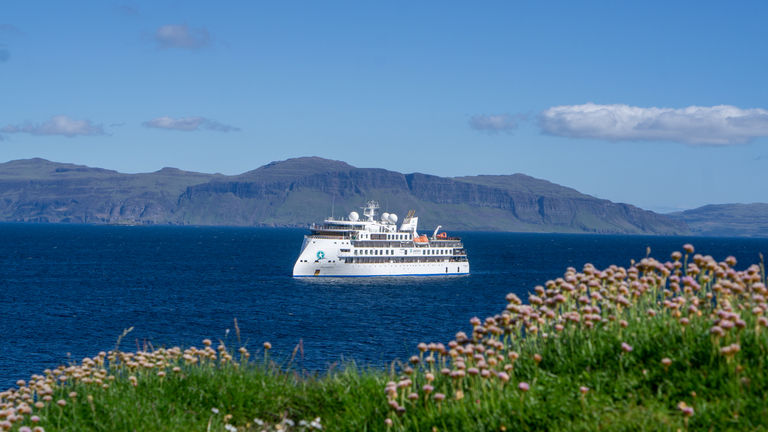 Aurora operates beyond the poles, including in Europe.
Credit: 2026 Ania Baranek/Aurora ExpeditionsThat breadth means travelers can experience Aurora’s expedition style in very different environments, whether they’re looking for classic polar exploration, wildlife-rich subantarctic journeys or culturally immersive small-ship voyages closer to Europe.
And finally, how can travel advisors best sell the product?
For travel advisors, the most effective way to position Aurora is to focus on the experience onboard and on shore. Smaller expedition groups, a 1-to-1 crew-to-expeditioner ratio and highly experienced expedition teams allow for a level of personal attention and flexibility that clients immediately notice. Time on shore, expert-led learning and genuine access to remote places are what sets these journeys apart.
