When travelers picture Mallorca, Spain, they most likely imagine crystalline turquoise waters splashing against hazily lit limestone cliffs — and for good reason.
The largest of the Balearic Islands boasts more than 340 miles of coastline and has long been synonymous with luxury beach escapes, made all the more accessible by a 1.5-hour flight from Madrid. Yet equally decadent — and far less expected — are Mallorca’s lesser known villages in the UNESCO-listed Sierra de Tramuntana (Tramuntana Mountains).
These historic villages offer culture, cuisine and landscape-driven adventures that deliver a more immersive, well-rounded island experience. Here, ancient cobblestone streets host weekly farmers markets, golden light filters through centuries-old stone churches, ruins scatter the hillsides, and time seems to slow down to match nature’s rhythm.
For travel advisors looking to elevate their clients’ itineraries, Mallorca’s mountain towns offer a compelling counterpoint to the coast. Recommend an inland road trip paired with the island’s famed seaside destinations to deliver a more full-spectrum experience — one that showcases Mallorca beyond the beach and positions you as a true destination expert.
Valldemossa
Everyone remembers their first time rounding the hairpin turn that reveals the picturesque town of Valldemossa. Wow clients with this showstopper right off the bat. Located about 30 minutes from the city of Palma and known for its exquisite beauty, this architectural feast for the eyes is guaranteed to leave a lasting impression. The fairytale town has attracted many artists throughout the years and has served as the backdrop for countless creative works.
/Deia-is-the-perfect-village-for-travelers-seeking-.jpg?tr=w-768%2Ch-432%2Cfo-auto "Deia is the perfect village for travelers seeking a quiet and slow experience.") Deia is the perfect village for travelers seeking a quiet and slow experience.
Deia is the perfect village for travelers seeking a quiet and slow experience.
Credit: 2026 Raymond PetrikThe town’s crown jewel, Valldemossa Charterhouse — once a palace for the Mallorcan king and later a monastery — holds stories as layered as the surrounding village. The area can best be explored via guided village tours, such as Get Your Guide’s Mallorca: Villages, Valldemossa & Local Lunch Itinerary, which includes several notable stops across the island, including a pearl factory. Make sure clients stop to sample coca de patata, a traditional potato bread roll created in Valldemossa. If time allows, a 30-minute drive to Santa Maria del Cami brings travelers to Macia Batle, one of the most prestigious wineries on the island. It’s an internationally recognized vineyard that is a bucket-list experience for wine lovers and sommeliers alike.
When it comes to accommodations, suggest clients check in to the 12-room Valldemossa the Natural Sanctuary, which offers a wraparound terrace perfectly positioned to embrace the magnitude of the surrounding views. For dinner, recommend the duck spring rolls at Es Roquissar, an unassuming and cozy local favorite.
Deia
The same winding road leads into the once-quiet fishing village of Deia, which emerged from a cove before spreading into the mountain crevice towering above it. Olive groves add a silvery-green hue to terraced hillsides, and the village itself feels like a regal settlement pulled from the pages of a fantasy novel. Type “Mediterranean vacation” into any image search, and chances are this iconic seaside village will appear on the screen.
Deia’s unique landscape has supported life for centuries thanks to fertile soil, ideal moisture conditions and mountains that shelter it from northern winds — giving the village deep historical roots. As beautiful as it is compelling, Deia is best experienced slowly; recommend clients soak it in via a cycling tour from Reynes Cycling that winds through the surrounding Tramuntana scenery. For accommodations, one of the most photographed hotels in the world is located here: The 67-key La Residencia, a Belmond Hotel, home to Michelin Guide restaurant El Olivo.
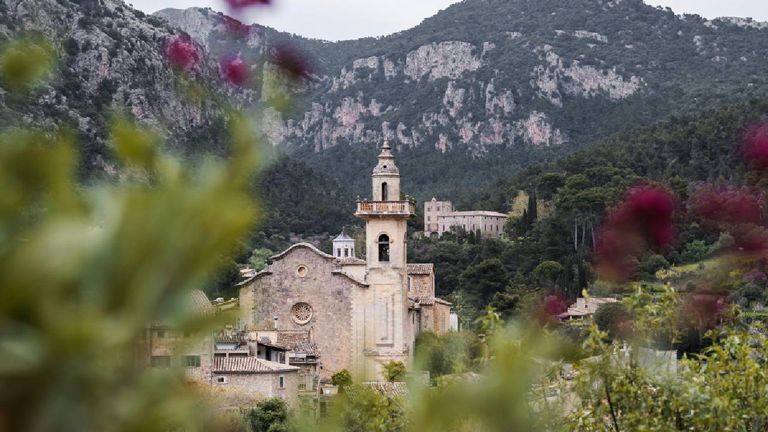 The town of Valldemossa is known for its exquisite beauty and architecture.
Credit: 2026 Thomas de MeyerSoller
Colorful citrus replaces olive groves in Soller, earning the region its nickname, the Valley of Gold. If that title alone doesn’t entice travelers, the freshly made orange ice cream at Sa Fabrica de Gelats — crafted using local produce — certainly will. Suggest clients plan a visit on Saturday to experience the renowned Soller Farmers Market, one of the island’s most celebrated markets, for traditional sobrasada (cured sausage) and ensaimada (sweet pastry).
Soller is also home to some of the most distinctive architecture on the island, blending modernist design with French influences introduced by wealthy immigrants during the height of the citrus trade. Just 4 miles away in Port de Soller, the 121-room Jumeirah Mallorca offers one of the island’s most striking stays, dramatically positioned atop limestone cliffs overlooking the bay.
Mallorca’s mountain towns offer travel advisors an opportunity to design itineraries that add contrast and reflect the diversity of this adored island. By pairing these inland villages with the island’s celebrated coastline, advisors can deliver a more nuanced Mallorca for clients — one that offers a deeper insight into the landscape.
