When I arrived at Loisaba Conservancy on Kenya’s Laikipia Plateau, I expected open plains, elephants at sunset and maybe a lion or two. What I wasn’t prepared for was how this landscape would slow me down and reset my sense of pace, blending conservation, culture and luxury in the African bush. Set on 58,000 acres, Loisaba directs most of its tourism revenue into the surrounding Samburu and Maasai communities, who help co-manage the land.
My journey began at Elewana Loisaba Tented Camp which is perched on the edge of a hill with views that stretch for miles, all the way to Mount Kenya. My tent, one of 12, opened on three sides, giving it an airy feel that made the boundary between inside and outside disappear.
The first morning, I awoke to the sound of the wind fluttering against the canvas and a family of common eland antelope grazing just off my patio. Minutes later, I was on a game drive watching the sun rise against the acacia-dotted plains. Almost immediately, we spotted a pride of lions lounging near a waterhole after a night hunt; and before breakfast, I had already seen giraffes, zebras and a leopard on the prowl. Every morning after that, my Maasai guide, Resin Ole Maio, would ask what was still on my animal sighting “wish list” and, somehow, he always made it happen.
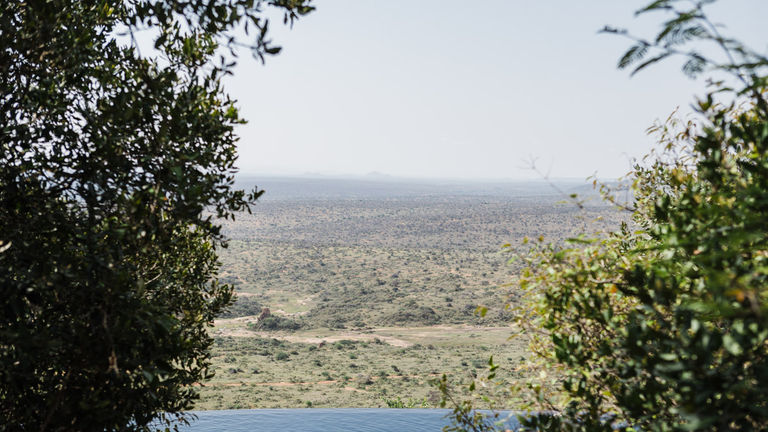 Travelers can unwind by swimming in the infinity pool overlooking the plains.
Credit: 2026 Karthika Gupta
Back at camp, the pace shifted. I swam in the infinity pool overlooking the plains, ate lunch on the deck and watched clouds build in the distance. Dinner was under a blanket of stars, lanterns flickering while the staff — many from nearby villages — shared stories about their home and how tourism helps support local families through community programs and education initiatives.
Next, I headed to Loisaba Lodo Springs, a smaller, quieter property just a short drive away but with a completely different feel. Where Loisaba Tented Camp is open and social, Lodo Springs is private, with only eight tents, each with a sweeping view and a personal host who anticipates everything clients might need. The tent’s earthy tones, local art, handwoven rugs and big glass walls made it easy to just sit and watch the light shift across the valley. While I opted for classic jeep drives, other guests explored on horseback, by camel and even in a helicopter, as each activity offered a different connection to the landscape.
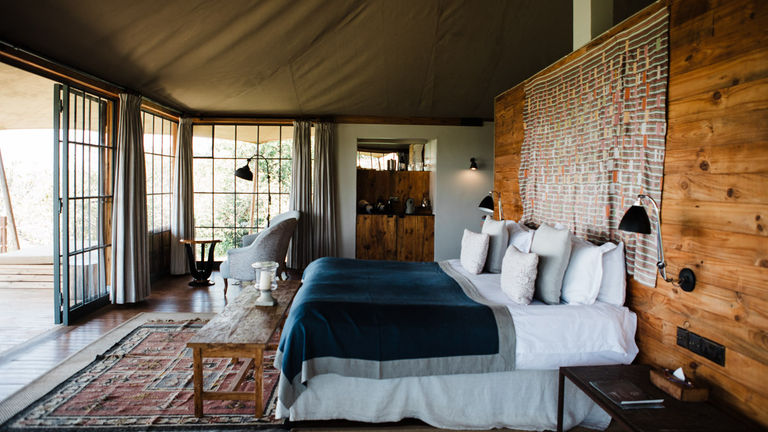 Lodo Springs offers privacy with great views.
Credit: 2026 Karthika GuptaBut Loisaba isn’t just about wildlife sightings; it’s also part of a broader conservation story. The conservancy forms a critical wildlife corridor linking Laikipia county to northern Kenya, and it plays an important role in the country’s rhino conservation program. One evening, I joined local rangers and Kenya Wildlife Service staff as they released three southern white rhinos — a milestone in the restoration of a species that was poached out here 50 years ago. In 2024, the conservancy welcomed 21 eastern black rhinos and seven southern white rhinos.
And it’s not just rhinos: Loisaba is home to at least 10 resident lion prides, elephants, giraffes, endangered Grevy's zebras, common zebras, beisa oryx, black-backed jackals and numerous other species, which means clients rarely go a day without spotting the drama of the bush unfold. Later, I joined the anti-poaching dogs on their daily 6-mile walk. Many of these experiences are bookable during a stay, and they were something I really appreciated, as they added depth and meaning to the otherwise passive safari experience of game drives.
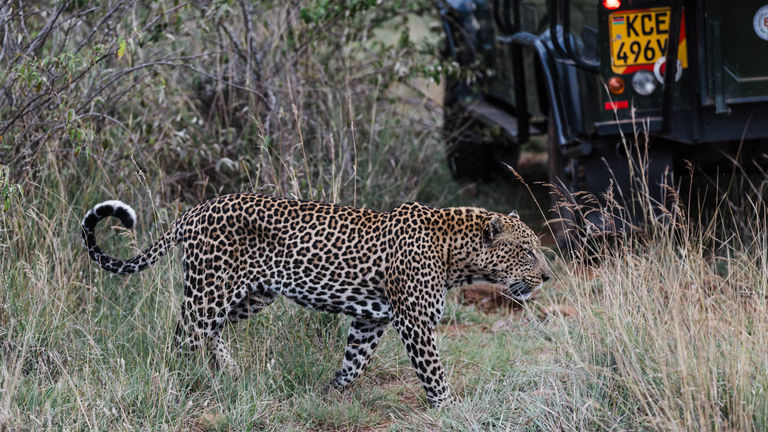 Loisaba is home to a variety of species.
Credit: 2026 Karthika GuptaMy final stop was Elewana Loisaba Star Beds, easily my most memorable stay of all three camps. The concept here is simple: hand-carved four-poster wooden beds on open-air decks that can be rolled out beneath the night sky (there are three ensuite double rooms and one ensuite family room). It is rustic, elemental and unforgettable. That night, I fell asleep under a clear Kenyan sky, hippos grunting in the waterhole below and crickets humming around me. The stars were bright enough to cast shadows, and with the Perseid meteor showers, I saw far too many shooting stars to keep track. It’s hard to describe that kind of stillness; I felt so small, but in the best possible way.
At dawn, Pius, a Samburu warrior, led a short walk, pointing out animal tracks and explaining the constellations I had seen the night before and their meaning in the local pastoral culture of navigating through the changing seasons. Later, we found a cheetah resting under a bush and watched a herd of elephants move slowly up a hill to graze. I ended the day visiting the Chui Mama (leopard mothers) Centre, a women’s small-business collective involved in soap-making, tailoring, beading and beekeeping. The organization helps create new opportunities for women in a traditionally male-dominated space.
In Loisaba Conservancy, my three stays — the community energy of one, the stillness of another and the elemental wonder of sleeping under the open sky — blur into one epic story of contrasts. In a world that moves too fast, this place reminded me that conservation and comfort can coexist, and that slowing down is sometimes the most meaningful adventure of all.
