The drought in Puerto Rico, which has been exacerbated by continued dry conditions as well as aging infrastructure, has caused extreme difficulties for many residents on the island. Within the tourism segment, however, many travelers may not notice much of a difference when they visit — although travel advisors and their clients should be aware that conditions can vary, according to multiple sources.
The overall message is positive from tourism officials.
“Puerto Rico remains open and welcoming travelers,” said Jorge L. Perez, CEO of Discover Puerto Rico. “Hotels, restaurants, attractions and visitor experiences continue to operate across the island, and many hotels and tourism partners have contingency measures in place to help support continued operations.”
Still, Perez encourages candor when addressing the topic.
“We believe transparency is critical,” he said. “Travel advisors should acknowledge that the water situation Puerto Rico is experiencing is real, while also providing clients with accurate context about what those conditions mean for their specific trip.”
Among the most recent tourism responses to the drought is Discover Puerto Rico’s “Keep the Island Singing” initiative, which launched Aug. 20. (The program’s name links water conservation to the calls of the tiny coqui frog and the wellbeing of the island’s natural inhabitants.) The water stewardship program includes a page on the organization’s website that shares tips about preparing for travel and conserving water during trips.
Perez stresses that travelers can support the island’s conservation efforts in various ways.
“Visitors have always played an important role in Puerto Rico’s story, and with that comes a shared responsibility to care for the island we all love,” Perez said. “‘Keep the Island Singing’ ensures that travelers have clear information and practical ways to conserve water and serve as thoughtful stewards of our natural resources while enjoying all that Puerto Rico has to offer.”
Visitors have always played an important role in Puerto Rico’s story, and with that comes a shared responsibility to care for the island we all love.
How Puerto Rico Hotels are Handling the Drought
According to Perez, planned water-service interruptions currently affect specific areas within seven northeastern municipalities, including San Juan. Even there, however, guests at large hotels likely won’t experience any shortages, thanks to cisterns, reserve systems and water deliveries.
Perez also noted that “impacts within those areas can still vary significantly by property.”
At the San Juan Marriott Resort & Stellaris Casino, for example, Jorge Mena Salas, director of engineering, said the hotel’s water comes from western Puerto Rico, and the property was not directly affected at the time of his interview. Still, the San Juan Marriott has developed a five-stage action plan.
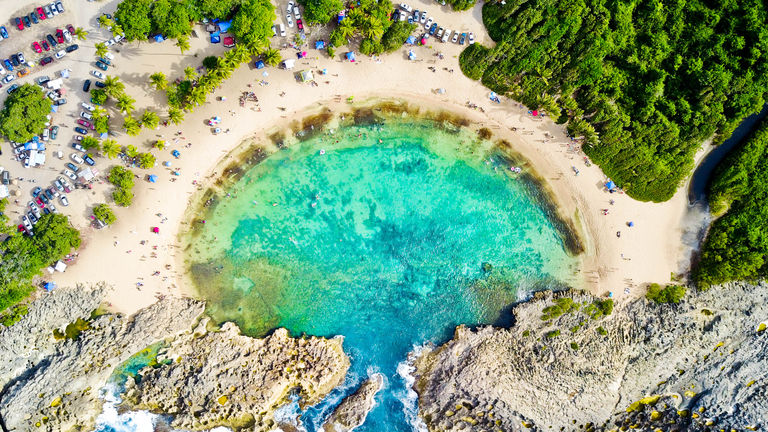 Travelers may not be impacted by Puerto Rico's water-saving measures, but it's important advisors and their clients stay informed, experts say.
2026 Discover Puerto Rico“Under the current conditions, we are in stage one, which basically means reducing water consumption,” Mena Salas said. If public service were eventually lost, the hotel has a plan in place. “We already have agreements with companies that not only transport water but also have wells so they can bring water to us by truck,” he continued.
The Marriott also recovers air-conditioning condensate for reuse, which Mena Salas estimates is equivalent to capturing the annual water consumption of 10 four-person households. In addition, the San Juan Marriott is exploring rainwater collection for its pool, cooling tower and possibly toilets.
At The Tryst Beachfront Hotel, which is also in San Juan’s Condado neighborhood, the drought “has not significantly disrupted the guest experience,” according to Tristan Schukraft, founder and CEO of Tryst Hospitality.
“The hotel has approximately two to three days of water stored in cisterns behind the property,” he added. “Those tanks are continuously replenished whenever municipal water service is available. If that service is interrupted, the hotel operates entirely from its reserves. The goal is to plan ahead, maintain normal operations and make sure the hotel remains clean, sanitary and comfortable for our guests.”
Practices in Action
Several other large hotels reported no disruptions that would affect guest stays. According to reports from Marriott International, for example, Aloft San Juan is operating normally, and monitoring usage and addressing leaks, while the Sheraton Puerto Rico Resort & Casino has water reserves and contingency protocols in place.
Outside of San Juan, the Wyndham Grand Rio Mar Rainforest, Golf & Beach Resort as well as the Wyndham Palmas Beach & Golf Boutique Resort also reported normal operations while maintaining reserve systems.
Hoteliers highlight a variety of conservation tactics. The Wyndham Grand Rio Mar, for example, uses water-efficient sink fixtures, showerheads and flush fixtures through the Wyndham Green program; bottle-refill stations are also water-efficient. Sheraton encourages guests to be mindful of how they use water, while Aloft practices conservation in both housekeeping and general operations.
At The Tryst, restaurant staff ask guests about their drink preferences before automatically serving water, and staff discuss conservation with hotel guests and restaurant patrons.
“I prefer a real conversation to putting signs everywhere,” Schukraft said. “People don’t always read signs, but when you explain what is happening and why it matters, most guests genuinely want to help.”
When you explain what is happening and why it matters, most guests genuinely want to help.
Depending on where they stay, however, visitors may nevertheless notice adjustments. One traveler staying at a smaller hotel in Ocean Park, for example, recently told TravelAge West that tanks parked in front of the property supplied water during a two-day municipal interruption. At a nearby restaurant, meanwhile, the same traveler said waitstaff indicated they had no tap water for drinking.
Asking the Right Questions
Research is important before any trip, and Perez recommends that travel advisors ask hotels, rental hosts, attractions and tour operators whether they’re affected by planned interruptions and what contingency plans they have. He also suggests that advisors and travelers consult the “Keep the Island Singing” webpage for updates.
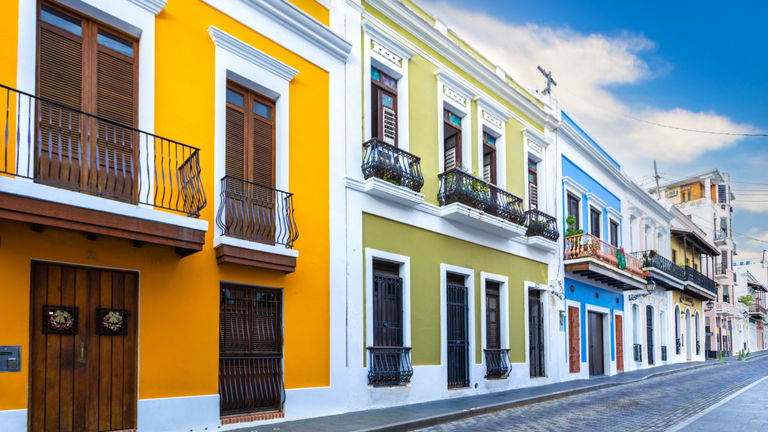 Discover Puerto Rico's "Keep the Island Singing" initiative offers tips to help travelers conserve water on their trip to the island.
2026 Discover Puerto Rico“The Government of Puerto Rico and Puerto Rico Tourism Company have also activated preparedness and response protocols, including supplemental water support and deliveries where needed, to help affected tourism properties maintain operations,” Perez added.
The big question is how long the drought will last, according to meteorologist Crystal Egger, president of Monarch Weather Consulting.
“A few dry weeks are manageable,” she said. “The bigger concern is when rainfall deficits persist and reservoirs and groundwater don't have an opportunity to recover. Current forecast models indicate a greater than 70% likelihood of below-normal precipitation and above-normal temperatures for Puerto Rico and the U.S. Virgin Islands from August through October 2026.”
For now, staying informed is key for advisors and travelers.
“Our goal is not to minimize the situation, but to give travelers the information they need to make informed decisions and encourage those who visit to be thoughtful about their water use and the role they can play in caring for the island,” Perez said.
