As information emerged that the passengers and crew onboard the M/V Hondius, a Polar Class 6 vessel operated by Oceanwide Expeditions, were exposed to the Andes strain of hantavirus, it was impossible not to flash back to the early days of the COVID-19 pandemic — but thankfully there are major differences between the two viruses.
“This is not the start of a COVID pandemic,” said Dr. Maria Van Kerkhove, director of epidemic and pandemic preparedness and preparation for the World Health Organization (WHO), at a news briefing last week. “This is not COVID. This is not influenza. It spreads very, very differently.”
As of May 11, 2026, a total of 12 cases (two confirmed and nine probable) have been reported.
"In previous outbreaks of Andes virus, transmission between people has been associated with close and prolonged contact, particularly among household members, intimate partners and people providing medical care," said Dr. Tedros Adhanom Ghebreyesus, director-general of WHO, at a press conference. "That appears to be the case in the current situation."
The Tropical Medical Bureau (TMB) emphasizes that despite the recent outbreak on M/V Hondius, hantavirus infections remain extremely rare, even in regions where the virus naturally exists. Therefore, the overall risk for travelers on traditional ocean cruises is very low, and clients do not need to alter their travel plans solely because of this incident.
“The hantavirus outbreak linked to the M/V Hondius is understandably generating concern among travelers,” said Urvshi Marwah, MD, CEO and founder of The Suite Sojourn. “From a travel advisor perspective, the focus should remain on calm, fact-based communication rather than reactionary cancellations. Advisors can help clients stay informed by directing them to official guidance from trusted public health organizations and by helping them understand how travel suppliers are responding operationally.”
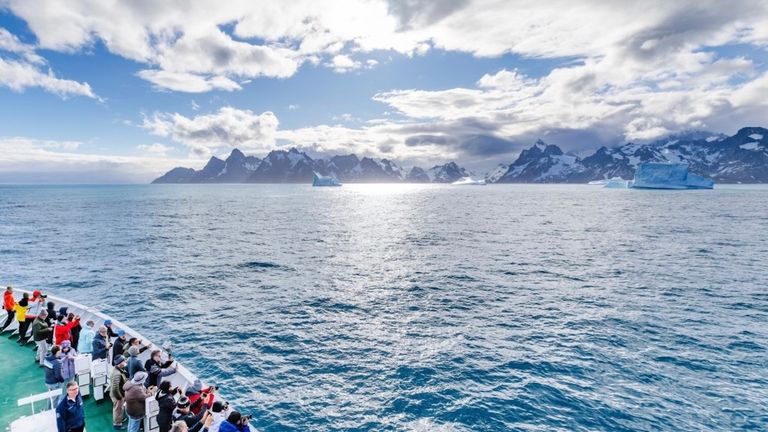 The Polar Class 6 vessel was on an expedition-style itinerary to remote regions.
Credit: 2026 Oceanwide Expeditions/Andrew PeacockA statement on the TMB website explains that the M/V Hondius outbreak is linked to a specific expedition-style itinerary, and that traditional ocean cruises remain "extremely low-risk." However, the statement also notes that the outbreak highlights that adventure and expedition tourism can expose travelers to environmental health risks distinct from those associated with conventional travel.
“There will likely be increased anxiety because travelers remain highly sensitive to infectious disease headlines following COVID-19,” Marvah said. “However, at this stage, I would not recommend travelers broadly cancel or postpone cruise vacations solely because of this isolated incident.”
For advisors, reassurance comes from transparency, context and relying on credible public health guidance rather than speculation.
Dr. Mary Jo Trepka, an infectious disease epidemiologist and professor in the Robert Stempel College of Public Health & Social Work at Florida International University, agrees.
“This is a very special situation that occurred,” Trepka said in a Q&A on the University’s website. “A person was exposed to this relatively rare virus … and then they just happened to bring it onto the ship. It’s a very sad and terrible situation, but based on current information, this is not a new pathogen like COVID-19 was. What is notable is that this occurred on a cruise ship; however, that does not necessarily mean people are going to be exposed to the Andes virus on other cruise ships because someone has to bring the virus on board.”
Oceanwide Expeditions is working with WHO to determine whether changes to its health and safety procedures are necessary for future expeditions.
What Should Travelers Do
Before planning any international travel, WHO recommends checking U.S. State Department travel advisories and the WHO disease outbreak news page. As of May 11, neither recommends any change to upcoming travel plans due to hantavirus.
Travel advisor Marwah also recommends that advisors encourage clients to speak directly with their healthcare provider about any personal medical concerns.
And, as always, vaccinations and comprehensive travel insurance are the best protection clients have against travel disruptions due to illness.
“For advisors, reassurance comes from transparency, context and relying on credible public health guidance rather than speculation,” Marwah said. “The situation warrants monitoring, but at this stage there is no indication that routine cruise travel broadly should be avoided due to this isolated event.”
