Tiny droplets gently streamed down my raincoat as I cruised onboard our expedition tender. The sound of the rain soon faded beneath the thunderous roar of waterfalls cascading down the surrounding mountainsides. Some waterfalls were long, slender ribbons that fell from dizzying heights and plunged into the fjord below, while others rushed down broad stretches of exposed rock, sweeping up stones and debris as they descended.
No crowds, no bustling ports and no competing shore excursions — just the rumble of rushing water and the untamed beauty of British Columbia's Great Bear Rainforest.
I spent six days traveling through this spectacular region with Maple Leaf Adventures, a British Columbia-based company specializing in small-ship expeditions. For travel advisors with clients who have already experienced Alaska, or those seeking a more intimate wildlife adventure, Great Bear Rainforest tours offer an appealing alternative.
Wilderness Sets the Schedule
For each season, Maple Leaf Adventures adjusts its Great Bear Rainforest itineraries as weather and wildlife activity change. (This means that the itinerary I followed won’t be exactly replicated, though similar offerings exist for 2027.) Spring generally brings calmer weather and a chance to see grizzlies grazing in the estuaries, while summer trips offer opportunities to spot humpbacks and seabirds. Fall tends to be wetter, and returning salmon typically draw black bears and grizzlies to spawning streams. Fall is the most opportune time for travelers to catch a glimpse of a rare, white-coated spirit bear.
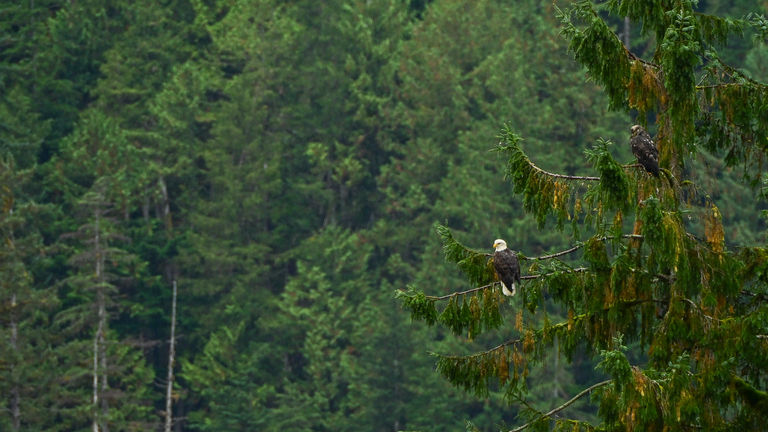 Travelers can spot a variety of wildlife, including bald eagles.
Credit: 2026 Philip Stone
Our journey began in Bella Bella, British Columbia, where we boarded Cascadia, a 138-foot catamaran accommodating just 24 passengers. Two custom-built aluminum tenders, Puffin and Auklet, transported us into narrow waterways, secluded bays and remote estuaries.
One morning, we ventured into a sheltered bay surrounded by towering mountains. After beaching our tender, we stepped into shallow water and carefully navigated a rocky shoreline with hiking sticks our guides provided. We found evidence of bears everywhere: holes where they dug for roots, salmon remains, scat and stomp trails that meandered through the forest. Naturalists Ethan Browne and Phil Stone explained how bears use these pathways and how returning salmon sustain the surrounding ecosystem.
Although we didn't spot a bear during our expedition, the crew worked tirelessly to lead us into promising habitats. We patiently explored river mouths, scanned shorelines and revisited areas where bears might appear, but on this trip, the elusive animals simply chose to remain hidden.
Our six-day, five-night journey was rerouted daily based on where the guides felt we might see the most wildlife. We began in Bella Bella, then went to Ripley Bay and Roscoe Inlet, Elcho Harbor and Beales Lagoon, Carlson Inlet, Quatlena Bay and finally Port John before returning to Bella Bella.
For advisors, this distinction matters. Wildlife sightings are never guaranteed, and clients should plan to appreciate exploring wild places rather than expect a checklist of animal encounters.
Other Worthy Wildlife
Fortunately, other wildlife made memorable appearances. We spotted bald and golden eagles, harbor seals, Canadian geese, numerous other birds and humpback whales. One particularly exciting encounter occurred during an onboard presentation about whales.
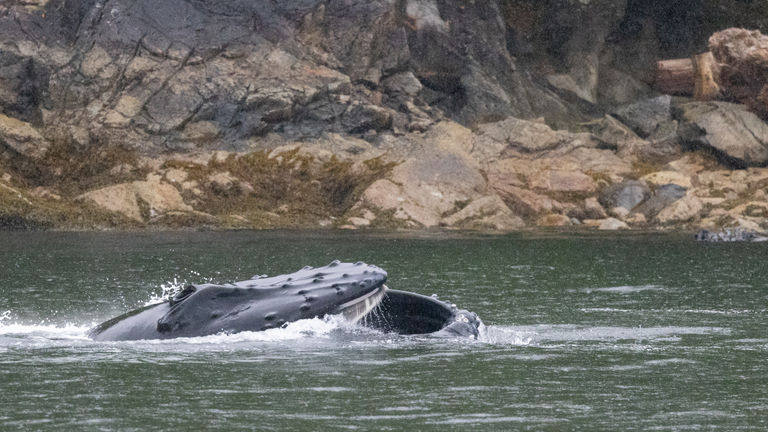 Humpback whale sightings were a highlight of the expedition.
Credit: 2026 Maple Leaf AdventuresAbout 20 minutes into a lecture from Browne, Stone entered the room and announced that humpbacks were lunge-and-bubble feeding off the port side. Everyone hurried outside with their cameras to watch the whales surface and feed. It was expedition travel at its best: One moment we were learning about whale behavior, and the next, we were witnessing it.
It was expedition travel at its best: One moment we were learning about whale behavior, and the next, we were witnessing it.
The educational component continued throughout the voyage. Our guides discussed salmon, marine mammals, Indigenous history and the interconnected coastal ecosystem. We even charted our route on individual maps, tracing our journey through the rainforest's intricate waterways.
Comfort in the Wilderness
Returning to Cascadia was always a pleasure after our adventurous days. My spacious main-deck cabin, Moresby, was a comfortable accommodation, including a bathroom with heated floors. After one particularly nippy excursion, I stood barefoot on the warm tiles, allowing the heat to work its way through my chilled toes. It was a small luxury, but I appreciated it immensely.
The culinary experience was another highlight. Meals featured thoughtfully prepared dishes, including lingcod with Parmesan polenta, roasted game hens with blackberries and salmon in a delicate white wine-Dijon sauce.
British Columbia wines accompanied each dinner, and afternoon snacks ranged from freshly baked cookies to artisanal cheeses and charcuterie. The galley team also accommodated individual dietary preferences, so advisors can rest assured that clients’ specific needs will be met.
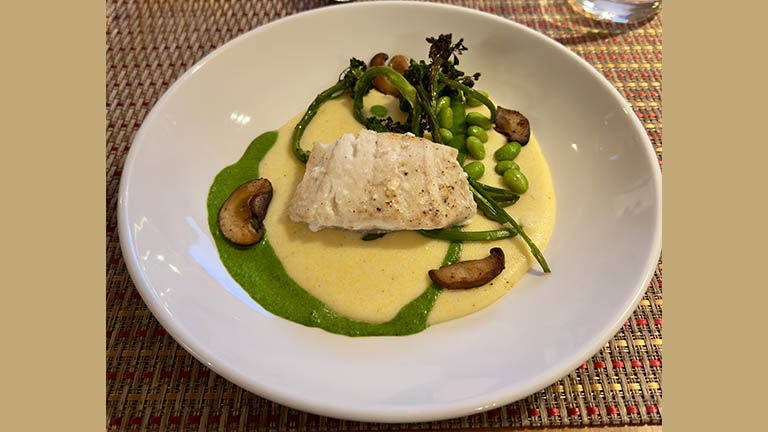 Onboard meals feature thoughtfully prepared dishes and British Columbia wines.
Credit: 2026 Tracy Ellen BeardChoosing the Right Client
This expedition onboard Cascadia is especially well-suited to nature lovers, photographers, curious travelers and couples who prefer intimate experiences over large-ship entertainment. Guests spend time onboard the vessel and exploring by tender, with opportunities for kayaking and guided walks, when conditions permit. The tenders feature comfortable seating and lower boarding ramps, making access easier than traditional inflatable Zodiacs. However, shoreline expeditions can be rocky, uneven and slippery. Mobility limitations should be discussed with Maple Leaf Adventures before booking.
Weather plays an important role, as well. For one afternoon excursion, we hit torrential rain while looking for wildlife. Back onboard, a hot shower, dry clothes and warm drinks quickly restored everyone's spirits. Waterproof clothing, warm layers, gloves and sturdy footwear are essential, especially during an autumn sailing.
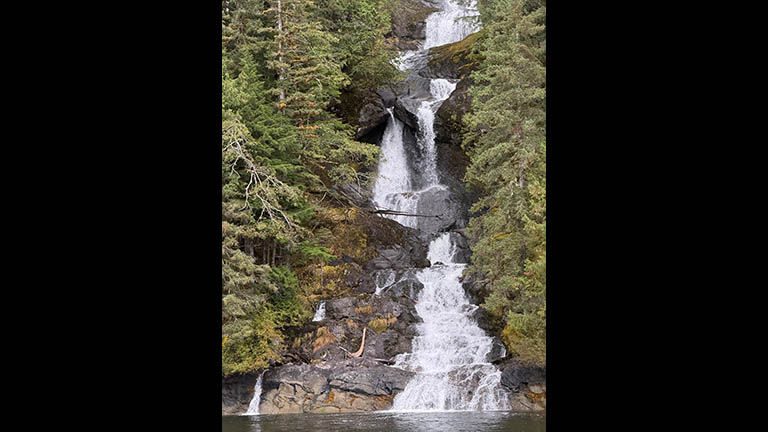 The Great Bear Rainforest will appeal to nature lovers.
Credit: 2026 Tracy Ellen BeardThroughout the expedition, I learned that the Great Bear Rainforest isn't a destination that performs on demand. Tides determine access to secluded lagoons, weather shapes excursions and wildlife sets its own schedule.
On our final morning, anchored in Port John, we awoke to the howling of a wolf in the surrounding wilderness. We never saw the animal, but its distant call was a fitting reminder that this landscape belongs to the creatures that inhabit it.
For travelers eager to immerse themselves in the Great Bear Rainforest, Maple Leaf Adventures' Cascadia offers something increasingly rare: the opportunity to explore a remote wilderness without crowds, discover its remarkable wildlife alongside knowledgeable guides, and return each evening to the comforts of an intimate expedition vessel. It's an experience that engages all five senses and reminds travelers that some of nature's most memorable encounters aren't seen at all, but heard echoing through the wilderness.