Due to its location and a short growing season, Finland showcases cuisine that revolves around eating fresh, natural ingredients gathered straight from the country’s waters, fields and forests. Finland is also known as one of the happiest places in the world, with a culture that’s based on five pillars: wellness, nature therapy, silence, sustainability and design.
Foods of Finland: Traditional and Trending
Finnish cuisine reflects all these sentiments, and it’s deeply rooted in tradition. But food here differs from the typical Scandinavian cuisine of beets, potatoes and fish, thanks in part to its neighbors — Russia to the East, and Sweden to the West. Popular cuisine includes poronkaristys (sauteed reindeer) — Finland’s national dish — and skagen (shrimp) toast, which can be found in nearly every restaurant.
However, a new culinary trend is quickly spreading: plant-based food. A study done in 2020 indicates a drop in meat consumption by 2% per capita and an increase in grain consumption by 3% per capita. Another survey found that the number Finns who identify as vegan or vegetarian is growing. Given Finland’s propensity toward sustainability, foraging and what’s known as “jokamiehenoikeudet” (freedom to roam, known as Everyman’s Rights to nature), it's no surprise this country is on its way to becoming a vegetarian nation.
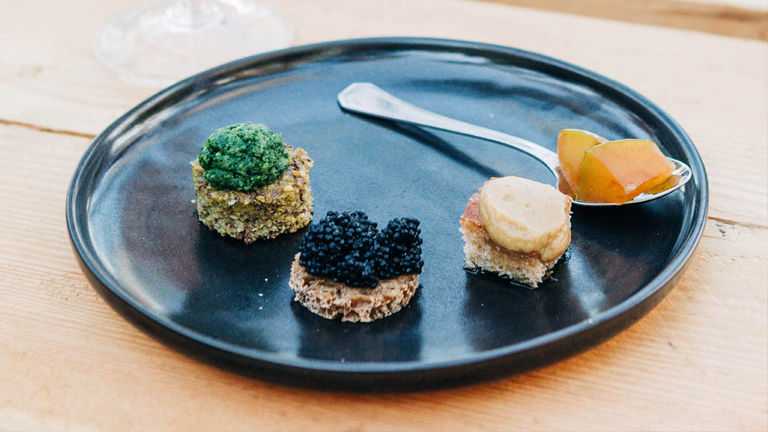 Hotel Punkaharju in eastern Finland offers vegan and vegetarian fine dining.
Credit: 2022 Karthika GuptaVegetarian-Friendly Restaurants in Helsinki and Beyond
And while the capital of Helsinki is a melting pot of many different international cuisines and flavors, local Finnish establishments are rising to the challenge of promoting plant-based eating and "taste of place” — an initiative from the Finnish Food Tourism Strategy that encourages eating local, wild and slow. There’s even have a vegan clothing retailer and vegan grocery store in Helsinki.
As for restaurants, there are many veggie options to choose from. Bun2Bun is the first fully vegan hamburger restaurant chain in Finland, with several locations across the country. For a fancier vegetarian meal, stop by Magu, where customer favorites include nettle and spinach ravioli and sea-buckthorn cheesecake. Newly opened Yes Yes Yes is a bar and restaurant with a predominantly vegetarian and vegan menu. While the menu is seasonal and changes regularly, root vegetables, mushrooms, greens and berry dishes are always on hand.
Another great dinner option is Sikke’s, which has an ever-changing menu and was nominated as one of the most beautiful restaurants in Finland. The dining experience is best described as eating at a friend’s house — specifically, that friend who always makes delicious food. The menu includes classic Finnish dishes as well as vegetarian options like pasta, risotto and seasonal salads, along with imaginative desserts.
Finnish Foods and Ingredients to Try
Elsewhere in the country, farm-fresh, local and wild stay on theme. A golden crop of Finland is oats, which are used in a variety of non-dairy milks. The most popularly used brand is Oatly, which allows for lactose-free pulled-oats dishes, creams and yogurts — making it a favorite among vegans. Oats are also commonly used in Finnish bread, which you'll always find on any table in the country. Bread here is most often made of rye, wheat or oats and served with a side of butter or cream cheese (or margarine for vegans).
A Finnish carb-lover’s favorite is Karelian pie, a rye-crusted pie filled with creamy rice porridge that’s cooked in a traditional wood-burning oven and served with fresh butter or egg butter-spread. This pastry has been made in eastern Finland for centuries and is an important part of the Saimaa region’s cultural and gastronomic heritage. While you can find Karelian pies at any Finnish marketplace, cafe or gas station, making it yourself while getting a history lesson from an award-winning pie baker is something special. Paula, the lady of the house at Okkola holiday cottages on Niinisaari island in Puumala, teaches pie-making classes where she shares the history and heritage of the pies and the region.
Berries are another Finnish staple, and they’re plentiful and sweet in the summer months. Farmers’ markets sell them by the kilo, but you can also harvest them in the wild for free — under Everyman’s Rights, locals and visitors can forage in Finland’s forests. Just be mindful and check local rules if roaming in national parks or protected areas. In July and August, bilberries (European blueberries) overtake the forest floor, and most Finnish berries can be made into delicious pie filling.
Mushroom foraging is another popular plant-based pastime in Finland. If you want to try your hand at foraging, Hotel Punkaharju in eastern Finland offers mushroom-picking tours, where the bounty is then used as part of your meal. Set among the backdrop of acres of dense forests and the blue waters of Lake Saimaa, it’s one of the oldest hotels in Finland. The menu at Hotel Punkaharju depends on local and seasonal ingredients, but there are fine-dining options for vegans and vegetarians such as celeriac, nettle pesto, artichoke ragu and wild mushrooms — even vegan caviar.
Bed and breakfasts all over Finland have also elevated their cuisine to include regional, local and sustainable produce. One example is the charming B&B Taipaleenniemi in Savonlinna. Housed in an old dairy building from 1912, it offers meals that include homemade Finnish favorites such as fresh bread, porridge, young potatoes, farm-fresh eggs and house-brewed beer.
Food plays a memorable role in how travelers experience a place and its community and people. When the cuisine focuses on localities, culture and history, it elevates the overall travel narrative for a more authentic experience. Finland’s food tourism strategy — along with a strong budding movement to promote a meat-free lifestyle — makes it a great destination for vegetarians and vegans alike.
