Despite its scenic location on the shores of Last Hope Sound — hemmed in by frigid glacial waters, snowcapped mountains and pampas grass — the “backpacker” town of Puerto Natales is often overshadowed by the draw of Torres del Paine National Park, the adventure capital of Chilean Patagonia.
However, thanks to its key role in Patagonian history, easy access to untouched wilderness spots and a recent uptick of trendy new restaurants and hotels, Puerto Natales has been upgraded from backpacker backwater to a bona fide adventure destination in its own right.
An Introduction to Puerto Natales
History and culture usually take a backseat to the Patagonia region’s natural wonders, but Puerto Natales’ multicultural past is worth exploring. Clients can visit Municipal Historical Museum, the local historical museum, or take a walking tour with Natales A Pie. The tour operator provides lessons about the area’s function as ancestral land for indigenous tribes before it was modernized by the sheep farming and immigration boom of the mid-1800s.
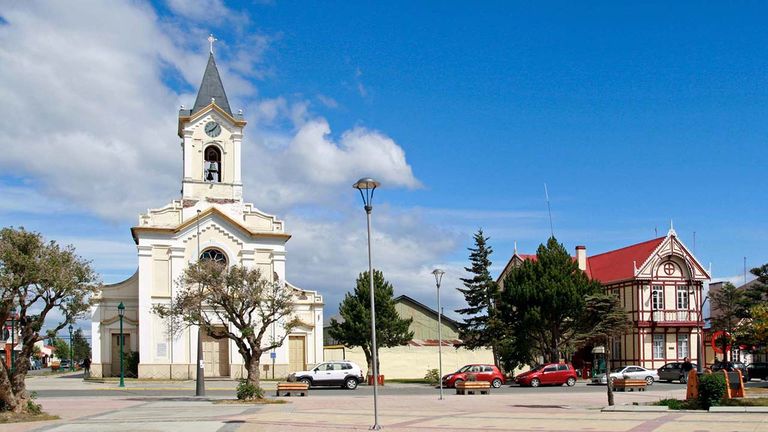 The Chilean Patagonian town of Puerto Natales has a multicultural past.
Credit: 2019 Creative Commons user christoph_straessler
Today, flocks of tourists have replaced flocks of sheep, but remnants of the sheep farming industry’s scale and impact are still evident around town — such as the cold storage facility that now houses the sumptuous Singular Patagonia hotel.
As Patagonia’s infamously fickle weather can sometimes cancel excursions, there’s plenty to do in town for keeping travelers occupied. Options include shopping at artisan shops; chowing down on succulent Patagonian lamb or king crab at excellent restaurants such as Santolla and Aldea; and sipping locally made gin at Last Hope Distillery.
To get to Puerto Natales, most visitors fly into Punta Arenas, a three-hour drive south, but there is also a small regional airport (Teniente Julio Gallardo Airport). Puerto Natales is also the final passenger stop of the Navimag ferry. With many of Chilean Patagonia’s top tour operators — such as Chile Nativo, Vertice Patagonia and Fantastico Sur — based here, it’s easy to book tours or get further information.
Nature and Adventures Outside Puerto Natales
A short drive or boat ride from Puerto Natales can transport clients to mountains, glaciers, forests, lakes, rivers and more — all without the congestion that plagues Torres del Paine. This makes the port city a great jumping-off point for activities such as hiking, horseback riding, cycling and kayaking.
One of the most popular local hikes is the three-hour roundtrip hike to the summit of 1,800-foot Cerro Dorotea, which looms over the city. The trailhead is a roughly 10-minute drive out of town, and after paying a small fee to the landowners, clients can either hike or horseback ride (guided by a local “baqueano” cowboy) to the viewpoint.
If clients head north on Ruta (Route) 9 toward Torres del Paine, they’ll find the peaceful Laguna Sofia, flanked by rugged trails. The hike up Cerro Benitez, which overlooks the lake, is especially worthwhile for viewing Andean condors. Near Laguna Sofia, clients will also encounter the Mylodon Cave, a natural monument made famous in writer Bruce Chatwin’s 1977 novel, “In Patagonia,” for being the site where the remains of a giant ground sloth were discovered in 1895.
Another must-see is Ultima Esperanza Sound, also known as Last Hope Sound. Sailing up the inlet into its warren of fjords, channels and rivers offer plenty of opportunities for watersports. Boating and catamaran tours (such as those provided by local operator Turismo 21 de Mayo) can visit the glaciers of Bernardo O'Higgins National Park, the largest of Chile’s national parks. What’s more, the fjords with their towering walls and peaceful remoteness make for great kayaking.
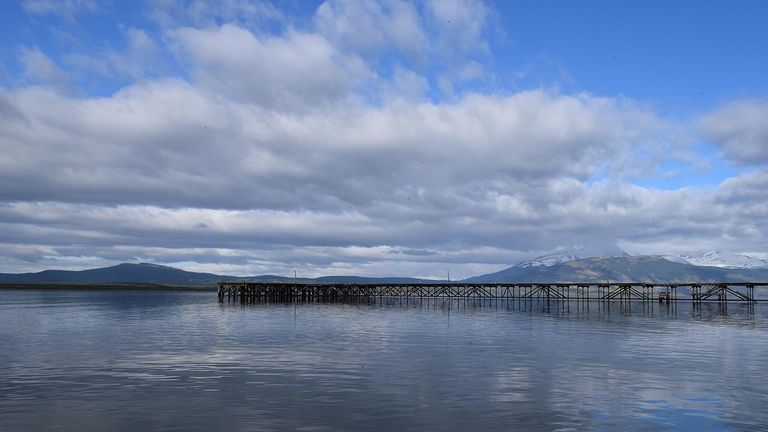 Discover Ultima Esperanza Sound, or Last Hope Sound, by kayaking, boating, taking a catamaran tour and more.
Credit: 2019 Zoe BaillargeonWhere to Stay in Puerto Natales
Over the past few years, Puerto Natales has been ditching its “backpacker town” reputation by opening fashionable new boutique hotels and upscale hostels.
Factoria features tastefully decorated private or communal rooms and a popular restaurant, while El Muelle is a nine-room nautical hotel with an eco-friendly bent. With five private double rooms and a communal outdoor patio, boutique hotel El Establo is furnished with equestrian touches such as stable doors and sheepskin rugs.
For something more high-end, the 11-room Simple Patagonia near Puerto Bories is a minimalist dream, showcasing tan wood and a simple design, with cozy rooms and lounges that feature panoramic views of Last Hope Sound.
Where to Stay Near Puerto Natales
During the sheep boom, landowners bought huge swathes of land to create estancias, or cattle ranches, thus giving rise to the baqueano cowboys and Patagonia’s horse culture. Many of these estancias are still operating today; a select few, such as Estancia La Peninsula, have opened their doors to visitors.
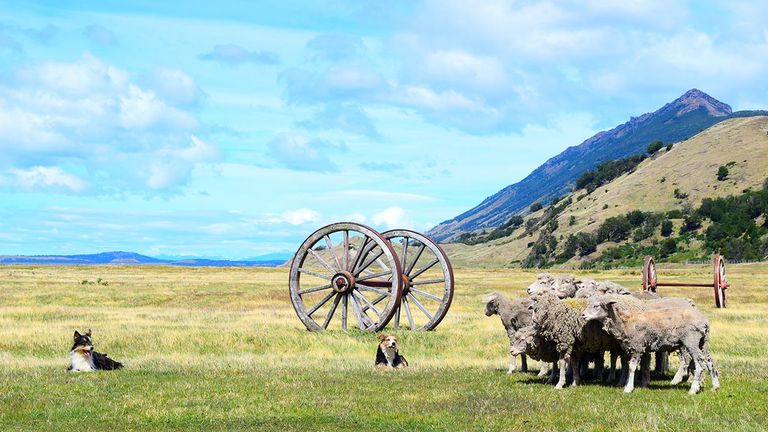 Estancia La Peninsula offers an authentic Patagonian experience for guests.
Credit: 2019 Zoe BaillargeonLocated on the isolated shores of Antonio Varas Peninsula, which can only be reached by a 30-minute boat ride from town, this historic estancia makes for a fantastic day trip. Guests explore the grounds on horseback rides, dine on authentic Patagonian asado (meat cooked on a grill or an open fire) and watch demonstrations of traditional activities such as sheep shearing and herding.
Estancia La Peninsula is also unique in that it’s one of the few estancias taking steps to repair the ecological damage wrought by sheep farming: Out of approximately 73 square miles, only about 15 miles are in use, with the rest devoted to habitat restoration.
