My alarm chimed softly, and I awoke to a deep purple sky, the sun still well hidden behind the Sierra Madre Mountains to the east.
I pulled on a light sweater, crept down the wooden staircase of the Dune Manta Treehouse and made my way to Playa Viva’s open-air communal living area. Just above a trio of thermal carafes filled with coffee, hot water and cinnamon tea, the staff had placed a sign — “No tortugas today,” it read, with a sad face drawn in chalk next to the words.
It was my first morning at Playa Viva, so I wasn’t overly disappointed. I had two more chances to see the coastal property’s turtle sanctuary program in action. I filled a ceramic mug with cinnamon tea, sat on a nearby wooden swing facing the sea, and watched the sky move from lavender to powder blue to azure across the next 30 minutes.
Wellness Via Immersion in Nature
Set on 200 coastal acres in the Mexican state of Guerrero, Playa Viva is a wellness resort that respectfully relies on nature. Clients will breathe deeper here. They will slow down. They will observe the world around them and feel their connection to it. And this is by design.
All 20 accommodations at Playa Viva overlook the Pacific Ocean. Treehouses have no true doors or windows, so the sounds of waves rolling, birds chirping and bugs buzzing are guests’ constant companions. Grand yoga palapas, individual spa huts, the bar and dining room are also wall-less. These intentional features allow the natural cadence of the place to become the rhythm of its visitors.
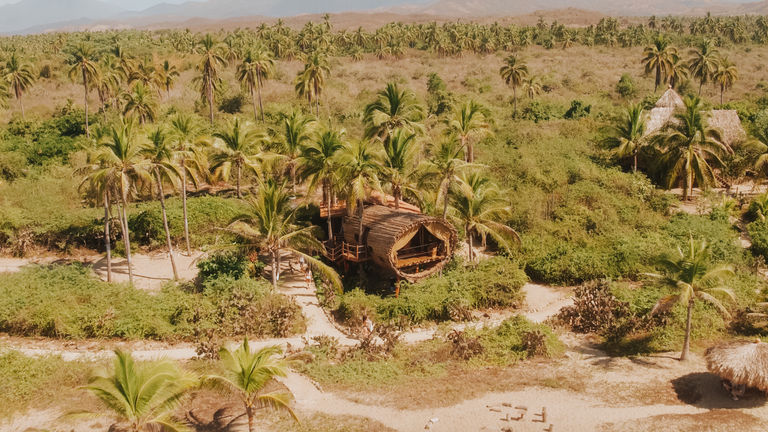 The resort is set on 200 coastal acres in Guerrero, Mexico.
Credit: 2026 Playa VivaI loved this about Playa Viva. Chirping crickets and lapping waves put me to sleep (there are ear plugs in the bathroom, should clients need them). I woke up with the sun every morning, hopeful for tortugas, but also to enjoy the serenity of daybreak. I attended the daily 8 a.m. yoga session with fellow guests, then filed into the dining room for breakfast plates of black beans, fresh papaya and starfruit, made-to-order eggs and gluten-free banana-oat bread.
The rest of the day could be spent doing nothing or everything. My travel companions boogie boarded one afternoon while I toured Playa Viva’s farm. We drank from whole coconuts, their tops lobbed off by barman Luis. We chatted with other guests as we carved mangoes plucked from the communal fruit bowl in the lounge. We shooed away mosquitoes. In the boutique, we fretted over which locally made goods to bring home, in what I imagine was a highly entertaining hour for the most genial staffer, Fernando. Ceramic bowls? Beaded earrings? Mini jars of hibiscus marmalade? A cotton dress? In the end, one of everything was purchased.
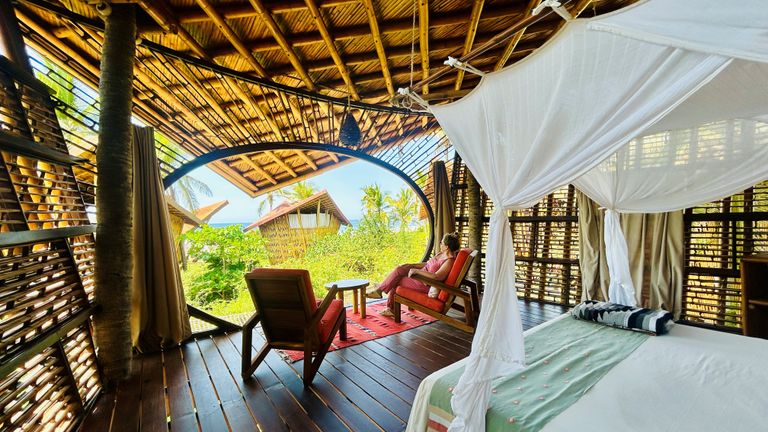 The view from the writer's Dune Manta Treehouse
Credit: 2026 Melissa SavageThere are no screens at Playa Viva, unless guests bring them along themselves — and even then, the “disconnecttoreconnect” Wi-Fi password made me feel a tad guilty about looking down at my phone instead of out to the sea. I was grateful that our treehouse was too far from the lounge to access the internet. A forced detox from evening scrolling was a welcome Playa Viva perk.
Taking Care of the Land
In 1987, the United Nations defined sustainability as “meeting the needs of the present without compromising the ability of future generations to meet their own needs.” Playa Viva, which opened in 2009, goes beyond this. It’s not just about reduction or maintaining the status quo. It is about meaningful improvement.
Why would the land need improving? Guerrero is one of Mexico’s top coconut producers; the downside of that fact is that a coconut farm represents a non-native monoculture. To make way for coconut trees, slash-and-burn practices eliminated native plants, many of which are critical to the watershed, including lagoons, streams and rivers around the resort. Nearby cattle farms cause similar harm.
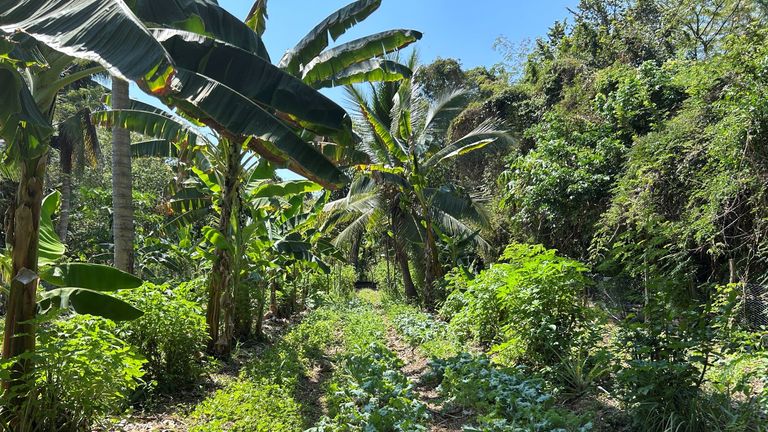 An onsite farm supports the resort's dining program.
Credit: 2026 Chelsee Lowe“Part of the whole regenerative concept is understanding the history of the place, and how it got this way,” David Leventhal, founder and operating manager of Playa Viva, told me over lunch one day. “Once we know that, we think about what our role is in bringing it back to the abundance that was once here.”
Through years-long collaborations, the Playa Viva team (many of whom are locals) have set out to determine a course of action that will benefit the land and its people. They have helped to reestablish native biodiversity. They built and continue to care for a 20-acre permaculture garden, which helps feed guests every day (some items are sold at local farmers’ markets, too). They oversee La Tortuga Viva, a volunteer turtle conservation crew. Thanks to solar panels and solar water heaters, the resort is 100% off grid. Treehouses were built with bamboo that’s both grown onsite and sustainably sourced from abroad.
Playa Viva’s success has lifted up the region, leading to growth in the neighboring village of Juluchuca. “Promoting meaningful community” is a core tenet for the resort, and so it has many ties to (and programs geared toward) local education, health and economic development.
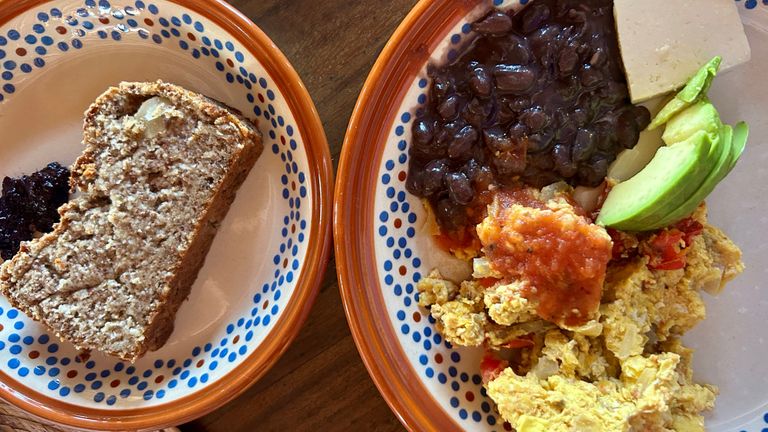 Three healthy meals a day are served buffet style in the communal dining room.
Credit: 2026 Chelsee LoweTaking Care of Guests
I arrived at Playa Viva with two friends — together, we were a giggly trio of mothers free of responsibility. To sit down together and converse over three healthy meals a day (that we did not prepare, nor clean up after) was a gift.
Lettuces grown on the farm were a staple at nearly every meal. We topped them with seeds, nuts, sliced veggies, avocado, queso fresco and an incredible house-made ajonjoli (sesame) dressing. Grilled fish procured from local fishermen is not to be missed, nor are freshly kneaded and griddled corn tortillas. Meals are served buffet-style, and it is common for smaller groups to dine together at larger set tables. All meals, coffee, teas and filtered water are included in a stay. A lovely bar steps from the sand offers alcoholic drinks for a charge, and every purchase is kept on a tab to be paid upon checkout.
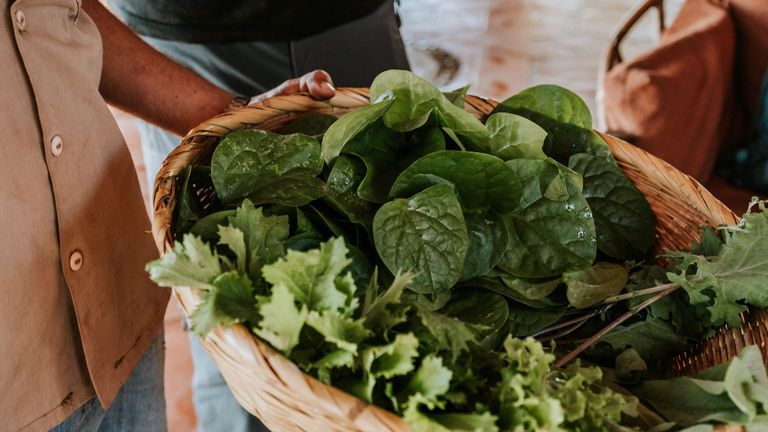 Farm-to-table dining is included in clients' room rate.
Credit: 2026 Playa VivaSomething I could never have anticipated was the influence of Playa Viva’s holistic hosts, who rotate on and off the resort in multi-week stints. They greet guests upon arrival, show them to rooms, dine with them (or sit at adjacent tables, at the very least), lead yoga classes and carry out spa services. I came to think of them as wellness concierges, no fancy counter needed. Leventhal said it better: Holistic hosts have to strike “a balance between being interesting, and interested.”
Alyra Rose, a holistic host we connected with during our stay, absolutely hit that note. Over multiple meals and serendipitous run-ins around the resort, she inquired about our work, our families and our zodiac signs. Her love for astrology fueled multiple conversations — I even texted my mom to get my exact birth time, so that Rose could identify my moon sign — and her energy was so enchanting that I made sure to book her for an hour-long massage in a beachside spa palapa. The massage was as lovely as her company.
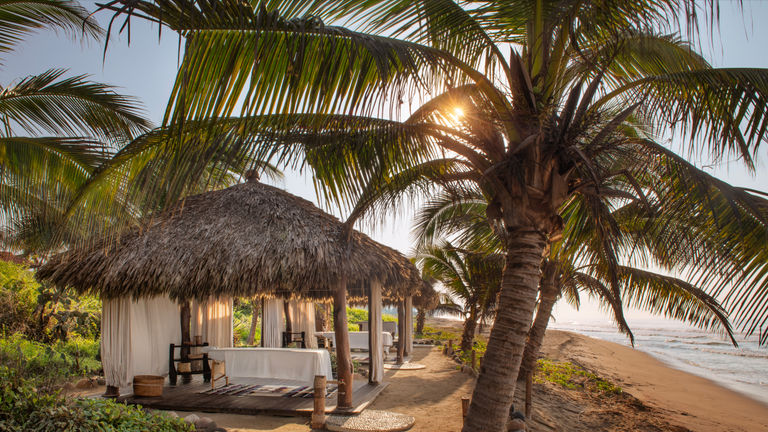 Holistic hosts offer treatments in beachfront spa palapas, or huts.
Credit: 2026 Playa VivaTwo of the three yoga classes I attended were led by Rose, and each one was approachable. Guests of all skill levels moved together in the grand tortuga chalet (its palm-fronded roof is the shape of a turtle shell). She sang us out of each session, accompanied by her guitar.
Group Bookings
Groups were everywhere at Playa Viva. One yoga retreat of about 12 people was there when we arrived, and when they checked out, another yoga group of similar size checked in. There was a double family crew with young children from upstate New York, and two different pairs of sisters on getaways. A party of 18, helmed by a couple in their 80s celebrating their 50th wedding anniversary, was incredible to watch. They read in the communal living area by the pool, played board games, constructed Lego creations and swam. It was a dreamy, weeklong stay for them, from where I stood, because Playa Viva is an ideal place to be together.
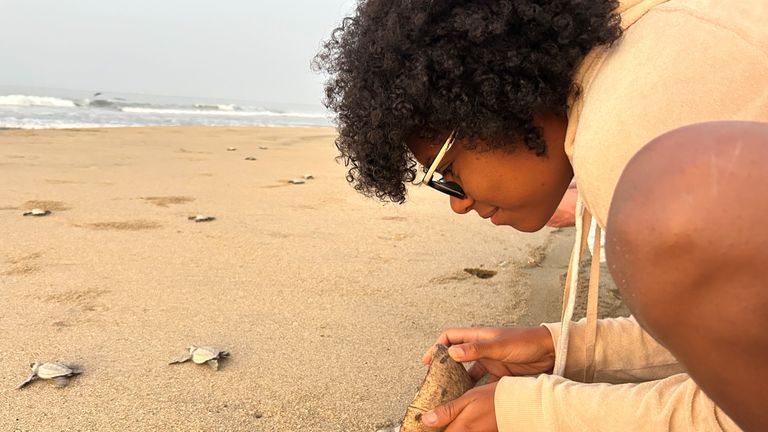 Guests can help Playa Viva's turtle sanctuary volunteers release turtles at sunrise.
Credit: 2026 Chelsee Lowe
On my last morning, the “Turtle release today!” sign was out. My friends and I walked 15 minutes south in the sand, looking for the volunteer crew. A crate of baby turtles was our treasure chest.
The team drew a line in the sand parallel to the sea; we squatted behind it, and used a hardened coconut shell to gently free turtles in pairs or trios. It took as long as three minutes for the sweet creatures to make it to the white-foamed edge of the water, and we cheered them on the whole way.
“Be well, little turtles! Be well.”
Seasonal Closure
Playa Viva closes during the wettest part of the rainy season, early August through most of October.
Connecting With Advisors
Playa Viva is committed to connecting with travel advisors in a meaningful way. Any agent with clients interested in this type of wellness travel is invited to reach out to Leventhal and his team for more information.
