The haughty din of squawks and hoots sounded like a horror flick of witchy hags and their ghouls about to be set loose. The deafening cackles of thousands speaking all at once numbed my ears the way icy hail stings the face on a windblown day. Hidden in a stand of marsh grass, I knew the language they spoke stretched back to prehistoric times.
The first ray of sunlight detonated the marsh flat into a horizontal eruption: A flurry of wings atomized the mirrored surface as thousands of shorebirds swirled and shape-shifted to gain speed while flashing a colorful brilliance. Behind me, the 6-foot wingspans of sandhill cranes clawed for coastal updrafts to clear the mountains. I chuckled at horned puffins that couldn’t fly because their bellies were so full of needlefish they could only bounce across the waves, like rocks being skipped across the surface.
According to the National Audubon Society, birding is one of the fastest-growing outdoor activities in the country. And because avid birders plan trips to locations around the world, they can be a lucrative market for savvy travel advisors.
Alaska is among the world’s best birding destinations because it’s a central crossroads for a multitude of the world’s migratory flyways, with species from South America, Antarctica, New Zealand and Asia. As a longtime Alaska birder, here are my top three recommendations of destinations in the state to see the creatures.
Pribilof Islands
Don’t be surprised if you haven’t heard of St. Paul Island, the largest of Alaska’s Pribilof Islands, which are located some 750 miles southwest of Anchorage. About 200,000 migratory birds draw birders from around the world to the destination, nicknamed “the Galapagos of the North.”
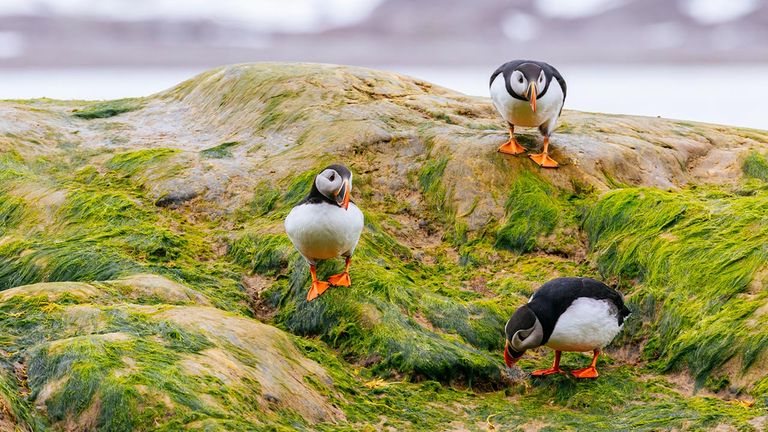 Birders may encounter puffins in the wild.
Credit: 2020 Getty ImagesThe Pribilof Islands attract 314 species of birds, including king eiders, auklets, puffins and fulmars. Especially coveted is the bar-tailed godwit that flies more than 7,200 miles nonstop from New Zealand to Alaska.
Sulli Gibson, manager of St. Paul Island Tour, says the destination is for clients desiring close-up photos of nesting seabirds.
“Our seabird cliffs are what put us on the birding map,” he said. “They are a favorite of National Geographic photographers, and our many species of auklets and puffins are so docile. They are often right off the road, and a birder can scurry along the cliffs and get 5 feet from them and get a great photo with a cellphone camera.”
Gibson also notes that the area is home to 400,000 fur seals — the largest aggregation in the world — that can be seen and photographed while birding.
St. Paul Island Tour offers birding packages from May 5 until Oct. 18 that include accommodations, guides, meals and transportation.
www.stpaulislandtour.com
Copper River Delta
From May 7-10, the Copper River Delta Shorebird Festival in Cordova will celebrate its 30th anniversary as Alaska’s oldest wildlife and birding festival, with an estimated return of some 5 million shorebirds. The festival is limited to 200 attendees, and participants include avian researchers and experts. There are seminars on hiking, art and outdoor activities.
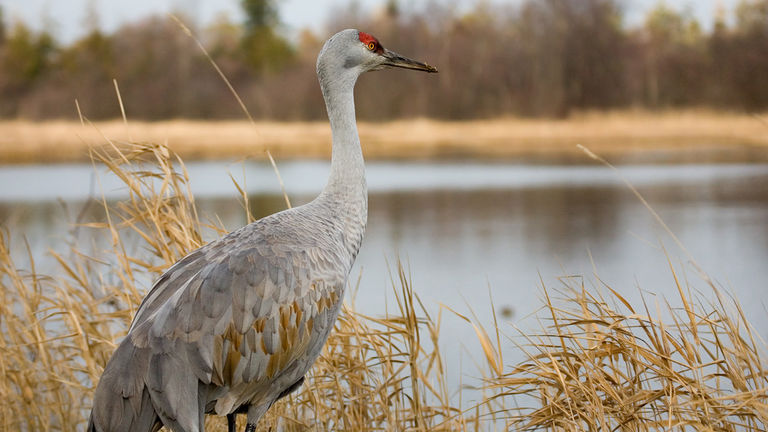 Birding is one of the fastest-growing outdoor activities in the country.
Credit: 2020 Getty ImagesWhile there are no roads leading to Cordova, clients can drive the scenic, 49-mile Copper River Highway. Birding is superb on both sides of the highway.
I’ve visited the region well over 60 times in my life, and I prefer the Pipeline Lakes Trail to photograph stellar jays, and Hartley Bay and adjacent trails for viewing sandpipers, warblers, thrushes, plovers and Arctic terns. A flightseeing tour over the delta, with an island landing, is unforgettable.
Orca Adventure Lodge offers kayaks to paddle into the world’s largest concentration of sea otters. I also suggest exploring the old remnants of Katalla ghost town or its nearby coastal lighthouse.
A la carte packages for all budgets include meals, accommodations and transportation. Clients should also plan to spend a day visiting Cordova’s museums and commercial fishing and cannery operations.
www.coppershorebird.com
www.orcaadventurelodge.com
Stikine River Delta
The Stikine River Delta, located near Wrangell in southeast Alaska, appears as a massive 17-mile-wide mud flat on Google Earth. But to more than 3 million migrating birds each spring, it’s one of the richest ecosystems in the world. The Stikine is among the nation’s top birdwatching sites because it provides migratory birds, marine mammals and large predators — such as wolves and bears — a chance to feed on an abundance of food, from zooplankton to fish. The Stikine’s massive smelt run attracts some 1,000 bald eagles each spring, making it the second largest concentration in North America. With it comes unparalleled photo opportunities.
During the first week of May, more than 100,000 shorebirds can be seen at a time. These include a variety of plovers, godwits, whimbrels and red knots, and birders attempt to check off the 123 recorded species that stop here.
The Stikine River Birding Festival, which runs April 30 to May 3, is for birders of all skills, says Carol Rushmore, economic development director for the City and Borough of Wrangell.
“Our goal is to disseminate information on habitat and environmental issues regarding birding in the Tongass National Forest,” she said.
Last year’s seminars included those by professional bird researchers, avian educators and nature artists, and featured raptor exhibitions and photography and nature journaling events.
www.stikinebirding.org
www.wrangell.com
