You may have noticed: The world’s population isn’t getting any smaller.
And as society swells in size, travel has become more affordable and attainable than ever before, putting the squeeze on popular destinations. Hot spots such as Amsterdam; Venice, Italy; Dubrovnik, Croatia; and many others are increasingly experiencing overtourism — where locals and/or guests in a destination feel there are too many visitors and that the quality of life or the experience in the area has deteriorated. Along with mammoth volumes of visitors each year, these places are seeing more pollution, overcrowding and a heightened threat to fragile ecosystems and historical landmarks.
Venice, for one, is flooding with both rising tides and mass tourism; some 60,000 visitors per day are driving up the cost of living for locals and straining the preservation of cultural landmarks. Barcelona, too, is feeling the burn — like the denizens of Venice, its citizens are protesting, and officials in many top European cities are passing laws to cap tourism numbers and even ban cruise ships from docking. Natural and archaeological sites such as the Galapagos Islands and Machu Picchu are in peril from overtourism, as well, and have been forced to restrict visitation and impose tighter regulations.
While the causes of overtourism are vast and complex, there are a few key factors. According to Ethan Gelber, a journalist and consultant specializing in responsible tourism, these include access to travel (due to lowered costs and better technology); social value (displaying travel accomplishments via social platforms or discussing bucket-list achievements can create social capital); development opportunities for locals and investment payoffs for outside developers; and misplaced entitlement, where some jetsetters feel they “deserve” an experience.
Of course, there are also many people — likely many of your clients — who are concerned about their global footprint and the impact of travel on local communities, historical sites, indigenous people, the environment and flora and fauna.
 There are a vast number of alternative destinations that clients can visit.
Credit: 2018 Getty Images
Mindful and responsible travelers can do four things, Gelber says. First, connect with local people before, during and even after a trip; be mindful of local hosts and work to advance their interests. Second, respect local heritage and culture. Third, travel in a manner that is sensitive to the local environment. And lastly, spend money locally, ensuring that tourism benefits the right people.
Additionally, consider visiting well-known destinations during low or shoulder seasons, and move through places in active and creative ways. For example, walk, hike or bike from town to town to add adventure and reduce transportation usage, says Casey Hanisko, president of business services and events for the Adventure Travel Trade Association.
“I’d also recommend clients talk to a travel advisor or operator,” she said. “They can steer travelers to places that are unique; suggest low-volume times for overcrowded places; and craft or deliver itineraries that create a balance toward seeing a ‘bucket list’ without threatening a destination.”
For clients who keep stewardship of the Earth top of mind, we’ve rounded up five alternatives to well-trodden destinations that travel professionals can suggest. No less stunning in natural beauty nor lacking in rich history and culture, these still relatively unknown or underappreciated gems can provide the perfect setting for exploring the world in a more responsible way.
Cartagena, Colombia
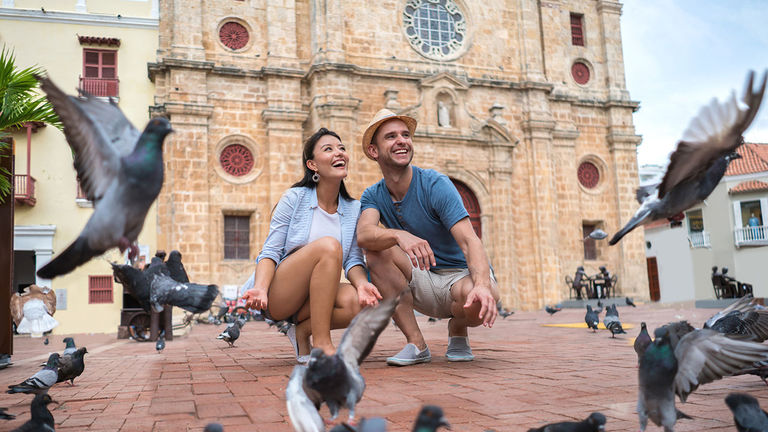 Cartagena, Colombia, offers the old-world charm of destinations like Cuba.
Credit: 2018 Getty ImagesIt’s likely that the 16th-century coastal city that inspired magical-realism writer and Nobel Prize-winner Gabriel Garcia Marquez will stir similar emotions in clients. Cartagena, Colombia, with its old-world, seaside charm and sensuality, is primed to provide clients with an experience like that of Cuba or Dubrovnik — without the masses of docked cruise passengers.
Intrepid Travel is one operator bringing visitors here, running multiple Colombia itineraries ranging from nine to 19 days that include Cartagena and its nearby under-the-radar treasures.
“At Intrepid Travel, we’re all about tackling the negative impact of overtourism,” said Leigh Barnes, director of North America for Intrepid. “Our style of travel has always been low-impact in nature. We are the largest carbon-neutral travel company in the world, and we build all of our itineraries with cultural and environmental sustainability in mind. For us, the most exciting way to combat overtourism is to expose travelers to lesser-known destinations, which is why we are constantly adding new destinations to our product line and bringing travelers to new places in a country, outside of the popular hot spots.”
The company’s Cafe Colombia trip, for example, affords two days in the historical city to explore its churches, monasteries, plazas, mansions and UNESCO-protected port, fortresses and monuments. An optional excursion includes Volcan de Lodo El Totumo, a mud volcano with supposed healing properties located about an hour’s drive outside the city.
Those with adventurous spirits will want to head even farther outside Cartagena to trek in Ciudad Perdida (“Lost City”), an archaeological site believed to have been founded about 650 years earlier than Peru’s Machu Picchu. The area — which consists of tiled roads, circular plazas and a series of 169 terraces carved into the mountainside — is about a four-hour drive from Cartagena and accessible only via a multiday, moderately difficult hike through the jungle.
www.colombia.travel
www.intrepidtravel.com
Gates of the Arctic National Park and Preserve, Alaska
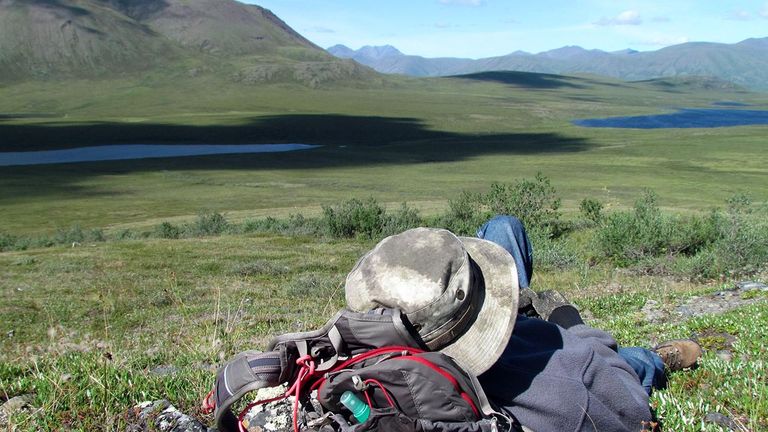 Find remote adventure in Alaska's Gates of the Arctic National Park, the least-visited U.S. national park.
Credit: 2018 Getty ImagesAs domestic travel continues to overtake international trips, the beloved gems of the U.S. National Park Service are under stress.
It’s becoming increasingly difficult for visitors to stand slack-jawed at sites such as the Yosemite Valley or Angels Landing in Zion National Park without getting jostled by a pack of tourists angling for the perfect group selfie.
However, there are plenty of spectacular national parks beyond the top 10. And for hardcore adventure clients, there’s one often-overlooked wonder: Gates of the Arctic National Park and Preserve. The northern Alaska destination is the least-visited park in the U.S., seeing under 11,000 guests per year. But the 8.4-million-acre area is a backpacker’s dream: There are no roads or facilities in the park, necessitating that travelers truly blaze their own trails while exploring landscapes that vary from boreal forests and tundra to craggy limestone and granite peaks.
Gates of the Arctic isn’t for the faint of heart, but Alaska Alpine Adventures, which has been leading clients into remote Alaska territory for almost 20 years, provides guided multisport trips into the park’s vast wilderness, such as the 10-day Backpacking the Arrigetch Peaks or 12-day Arrigetch-Alatna Pack Raft itineraries.
In addition to experiencing the terrain like the nomadic hunters and gatherers who once called this area home, clients may see wildlife including caribou, grizzly and black bears, wolves, moose, Dall sheep, wolverines, musk oxen, foxes, bald eagles, peregrine falcons, great horned owls and more.
www.alaskaalpineadventures.com
www.nps.gov
Granada, Nicaragua
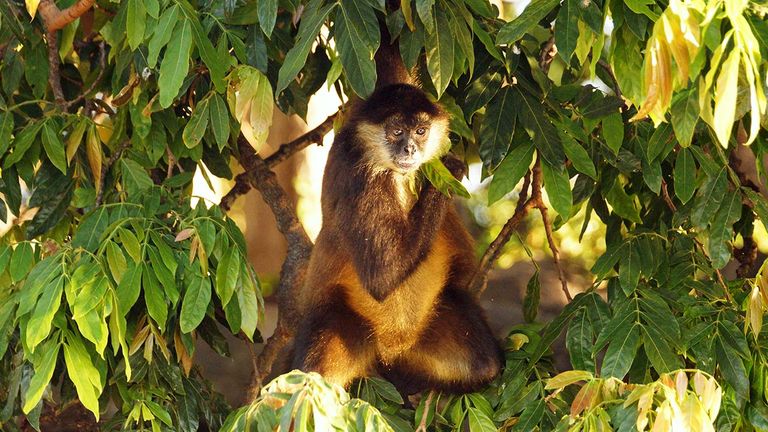 Get up close with wildlife in Nicaragua.
Credit: 2018 Getty ImagesSituated between two volcanic parks and along the coast of Central America’s largest lake, the colonial town of Granada, Nicaragua, makes the perfect base for exploration of the country’s wild landscapes. In Masaya Volcano National Park, about 20 miles west of the city, I stared deep into a rocky caldera, straining my eyes in the sulfuric air to catch a glimpse of the lava that locals say glows fiery red on clear nights. Just south of Granada at Mombacho Volcano National Preserve, a hike into a cloud forest transported me to an otherworldly realm: A near-perpetual tropical mist blankets the dormant volcano, while dense, lush vegetation blossoms untamed beneath the humid, gray mass.
On a boat trip across the seemingly infinite Lake Nicaragua to Ometepe, an island formed by two volcanoes, we lost all sight of land, leaving me feeling unmoored, like an ancient explorer adrift at sea.
Once on solid ground, I discovered that the seemingly serene island is bursting with life. During a tour through Parque Ecologico Charco Verde, a protected area between the volcanoes, my guide — a local as enthusiastic about sharing his knowledge as he was about wildlife — pointed out creatures such as lizards, spotted birds, capuchin and howler monkeys, snakes and giant solider ants.
Tour operator Nicaragua Adventures, which has been guiding visitors since 1999, has a wide range of multiday options for clients, from luxury, cultural and family trips to multisport adventures. Make sure an itinerary includes a boat or kayaking tour through Las Isletas, an area on Lake Nicaragua’s northwestern coast that contains about 365 small islands formed by a large eruption of Mombacho some 20,000 years ago.
www.nica-adventures.com
www.visitnicaragua.us
Haida Gwaii, British Columbia
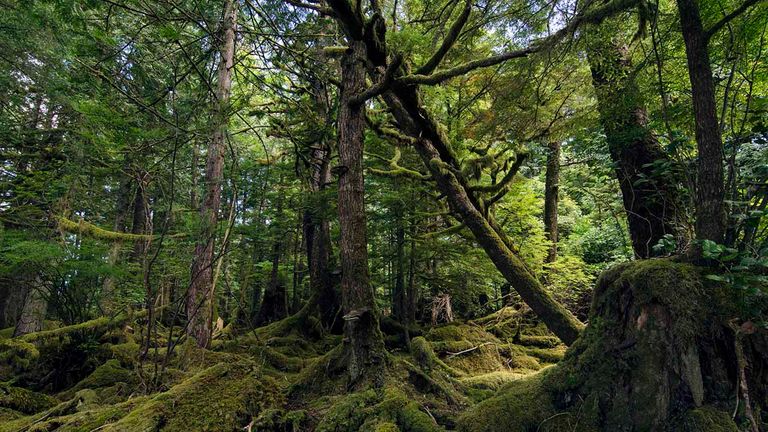 Trek through mossy temperate rainforests in Haida Gwaii, British Columbia.
Credit: 2018 Getty ImagesAn archipelago off British Columbia’s western coast, Haida Gwaii has all the makings of a surrealist paradise. In Gwaii Haanas National Park Reserve, National Marine Conservation Area Reserve and Haida Heritage Site, ancient carved totems and multi-tiered longhouses from the Haida people sit against a temperate rainforest of cedar and Sitka spruce trees. A hike through mossy forest floors will take travelers to secluded inlets and rugged coastlines, where verdant trees cling to jagged rock outcroppings and intertidal pools beckon with vibrant creatures.
For active travelers, Alanah Mountifield of Go Haida Gwaii, the destination marketing organization for the islands, recommends hiking to the top of Sleeping Beauty Mountain. The steep alpine climb rewards trekkers with views of Skidegate inlet, Hecate Strait, the islands’ mountain ranges and the Canadian mainland.
Mountifield also suggests visiting Naikoon Provincial Park on the northeastern tip of Haida Gwaii.
“It’s a very memorable and low-cost activity,” she said. “Visitors only need to rent a car and they can be surrounded by nature and beautiful scenery.”
Companies such as Haida Style and Maple Leaf Adventures run tours in the archipelago that expose clients to the rich landscapes; history and culture of the Haida people; and diverse wildlife, including black bears, many species of birds, dolphins, porpoises, harbor seals, sea lions and gray, humpback, orca and minke whales.
www.gohaidagwaii.ca
www.haidastyle.com
www.mapleleafadventures.com
Hamburg, Germany
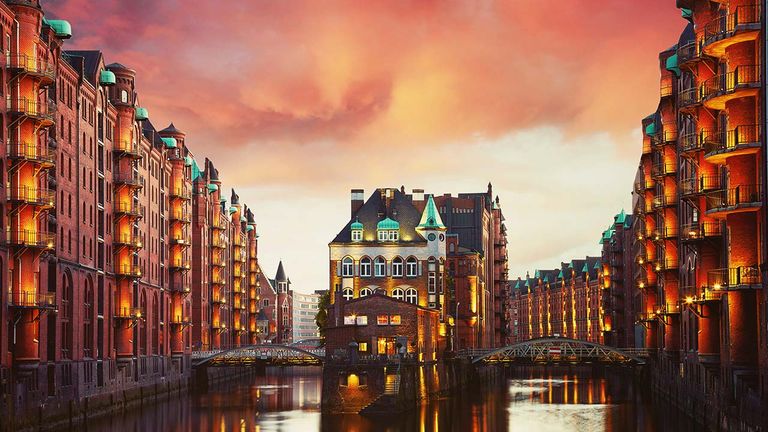 Take a boat tour through Hamburg's historic Speicherstadt warehouse district.
Credit: 2018 Getty ImagesWith canals, bike-friendly streets, waterside views and red-brick buildings, Hamburg, Germany, is an apt alternative for cities such as Amsterdam and Venice that are slammed with overtourism. (Fun fact: Hamburg has more bridges than Venice.) The German city offers European charm aplenty and the best of old and new, with a blend of baroque, renaissance, art nouveau and post-modern architecture.
Multigenerational groups will enjoy a leisurely harbor cruise that affords views of the Speicherstadt, the largest warehouse district in the world, and the adjacent HafenCity, an up-and-coming development project that aims to transform many of the historical brick buildings into shops, offices, hotels and housing by 2030. Already open is the 43,000-square-foot Elbphilharmonie, considered one of the largest and most acoustically advanced concert halls in the world.
Urbanites will adore the Brooklyn-esque Schanzenviertel — called “Schanze” by locals — a formerly working-class neighborhood that has seen steady gentrification over the last few decades. Now packed with trendy shops, independent record stores, hip bars and eateries and a bustling nightlife, the transformed district draws a creative and politically minded crowd.
Epicures, too, will get their fill in Hamburg: Last year, the city was awarded a total of 15 Michelin stars for 10 of its top restaurants. Best of all, there’s no dearth of venues along the city’s waterways at which to relax with an ice cream or a lager. I suggest Le Buffet, a laid-back spot at the top of the Alsterhaus shopping center serving food cooked to order, beer on tap and picturesque views of the Alster Lakes.
www.hamburg-travel.com
