On April 1, the Hawaii Tourism Authority (HTA) hosted a virtual 2026 Spring Tourism Update to provide information about how the destination is responding to current challenges facing travelers to the islands — including the back-to-back Kona Low storms — as well as sharing strategies for increasing visitation to the islands.
“Tourism remains a key part of Hawaii's economy, but it must continue to evolve with intention,” said state senator Linda DeCoite, chair of the Senate’s tourism committee. “It’s not only about visitor arrivals, but about ensuring that tourism supports local communities, respects our resources and reflects the values of Hawaii.”
Here are three important points the Hawaii Tourism Authority wants clients to know.
Hawaii Is Resilient
Caroline Anderson, interim HTA president and CEO, acknowledged that the destination is facing many challenges, from perceptions of storm impacts to economic and geopolitical uncertainties that are causing shifts in travel patterns. However, the HTA also stressed the importance of communicating to clients that the islands are safe and open.
“Two and a half years after the wildfires, tourism on Maui continues to show steady recovery,” said James Kunane Tokioka, director of Hawaii’s Department of Business, Economic Development and Tourism (DBEDT). “In February, we saw an 11.5% increase in total visit arrivals compared to the previous year, and we are closely monitoring the anticipated impacts on visitors following the recent Kona Low storms.”
The state also continues to encourage respectful travel, supporting local businesses and participation in volunteer opportunities through the Malama Hawaii program, which inspires visitors to give back to the islands through mindful travel experiences.
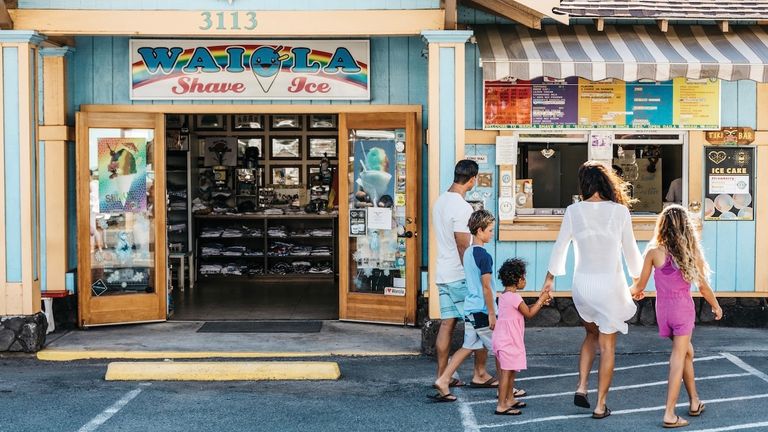 It's important for travel advisors to communicate that the islands are safe and open.
Credit: 2026 Hawaii Tourism Authority“Since COVID-19 — and with the Lahaina fires and now the Kona Low storms — social media comments are very difficult to combat, and oftentimes, visitors receive the wrong message that Hawaii is not welcoming,” said state representative Adrian Tam, chair of the House Tourism Committee. “So, let's change the messaging … to empower visitors to feel like they are making a positive impact on Hawaii when they visit.”
HTA’s 2026 through 2030 strategic plan, currently awaiting the governor’s approval, presents a five-year commitment to aligning tourism with Hawaii's cultural values. The plan is built on three strategic pillars: brand marketing to differentiate Hawaii through culture and values-driven storytelling; experience development to create the high-quality experiences today's travelers seek; and tourism leadership to improve coordination across the HTA, including inter-island collaboration.
“Together, these pillars strengthen the foundation of Hawaii's visitor economy, protecting what makes our islands unique and ensuring that the benefits of tourism remain strong, sustainable and future-focused,” Anderson said.
Hawaii Is Unique
The U.S. continues to be Hawaii's largest market for visitors, and while all destinations court high-value travelers (referring to clients who stay longer and spend more), Hawaii Tourism USA is also focusing on attracting visitors who seek deeper connections with the culture and people, travel mindfully and support local businesses. To accomplish this, they’re building on the successful “Hawaii Stays with You” campaign that highlights the destination’s unique cultural opportunities and encourages meaningful connections.
Despite economic and geopolitical concerns causing uncertainty, January 2026 saw U.S. arrivals to Hawaii up 10% and spending up 20%, signaling that travelers are still willing to invest in authentic experiences.
 By positioning Hawaii as a “domestic exotic” destination, the HTA hopes to attract travelers seeking something distinct without leaving the United States.
Credit: 2026 Hawaii Tourism Authority/Ben Ono“We cannot chase volume at any cost,” said Aaron Sala, president & CEO for Hawaii Tourism USA. “Hawaii continues to deliver exceptional value, and our job is to make that case unmistakable.”
He added that six in 10 Americans are not planning international travel due to cost, safety and geopolitical instability, while 41% are pivoting toward domestic destinations, placing Hawaii in a unique position within that trend.
“We are not competing as a typical domestic destination,” he said. “We are the ‘domestic exotic,’ and that positioning gives us a strategic opportunity to attract travelers seeking something distinct without leaving the United States.”
Hawaii Is in Demand
Preliminary DBEDT statistics show that nearly 800,000 visitors traveled to the Hawaiian Islands in February 2026, up 3.6% compared to February 2025. In addition, nearly 90% of U.S. West (the 12 states west of the Rocky Mountains) travelers had been to Hawaii before, and more than two-thirds of travelers from the U.S. East were making return visits, confirming that the destination remains in demand.
 Most February 2026 travelers to Hawaii were making return visits.
Credit: 2026 Hawaii Tourism Authority/Ben OnoAccording to Jennifer Chun, HTA director of tourism research, travelers are still visiting Hawaii despite ongoing economic and geopolitical pressures. However, she noted, even with an uptick in the number of travelers considering Hawaii for their next vacation, advisors may see clients’ “intent to travel” change as airlines increase fares in response to higher fuel costs, particularly from clients traveling from eastern states.
“Hawaii thrives through collective actions to grow economic vitality, strengthen collaborations and fulfill our shared kuleana (responsibility) to build a visitor economy where people, place and culture prosper together, guided by ho'okipa (hospitality), malama aina (caring for the land) and aloha,” Anderson said.
