While the coronavirus has currently squelched tourism worldwide, it’s presenting island destinations such as Hawaii with a distinct set of challenges and opportunities for the future.
During an April 23 virtual conference, island leaders shared ideas on how they can benefit from working together as they rebuild a strong, sustainable tourism economy, with post-pandemic travel in mind.
Coordinated by Hawaii Green Growth Local2030 Hub and Global Island Partnership, the discussion included spokespeople from Hawaii, as well as Curacao and the Galapagos.
Hawaii Rethinks the Model
The impact of COVID-19 on Hawaii’s economy — which relies significantly on visitors — can’t be overstated, according to Kalani Kaanaana, Hawaii Tourism Authority’s director of Hawaiian Cultural Affairs and Natural Resources.
“We’ve seen the collapse of our tourism industry,” Kaanaana said during the virtual conference. “Hawaii has gone from 30,000 daily visitor arrivals to roughly 100 per day.”
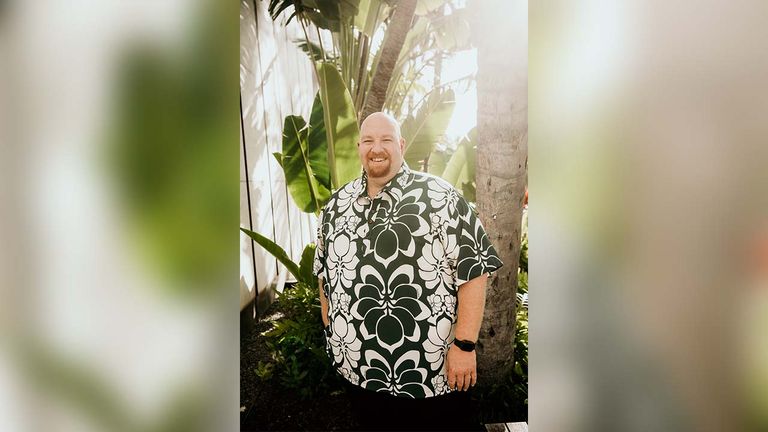 Kalani Kaanaana, Hawaii Tourism Authority’s director of Hawaiian Cultural Affairs and Natural Resources
Credit: 2020 Derek WongAt present, however, Hawaii is actively discouraging visitors, and it’s too early to predict when travel to the state will resume, Kaanaana says.
“First and foremost, we must take care of our people and resist the urge to completely open our doors,” he said. “Down the road, we’ll look at a phased-in approach to restarting tourism.”
First and foremost, we must take care of our people and resist the urge to completely open our doors. Down the road, we’ll look at a phased-in approach to restarting tourism.
In the meantime, Kaanaana sees the current hiatus as a chance to examine the entire scope of Hawaii’s visitor industry in a thoughtful manner.
“We can completely rethink the model,” he said.
Kaanaana cited the example of Kauai’s north shore where, in 2018, devastating floods closed the area to visitors. Prior to that, overtourism had been a problem for the rural region, so officials used the recovery period to create a new tourism master plan.
After Kauai’s north shore reopened, it started limiting the daily number of visitors at popular Haena State Park, with success. Additionally, it launched a new reservation-based shuttle service for the area, which cut back on traffic on narrow country roads.
“The floods allowed the north shore to reset,” Kaanaana said. “Now, in the same way, we can look at managing Hawaii tourism overall moving forward.”
For instance, it’s important to scrutinize not only what visitors take away from a Hawaii vacation, but what they can bring to Hawaii — what Kaanaana called the “guest/host interdependence.”
RELATED: How to Keep Clients Dreaming of Hawaii Until It's Time to Go Back
Collaboration for the Greater Good
Tourism expert Pauline Sheldon noted that while the world is in a dire situation, the good news is that tourism is resilient.
“We have to look at the bigger picture and consider this as a time for regeneration,” said Sheldon, a professor emerita of University of Hawaii School of Travel Industry Management.
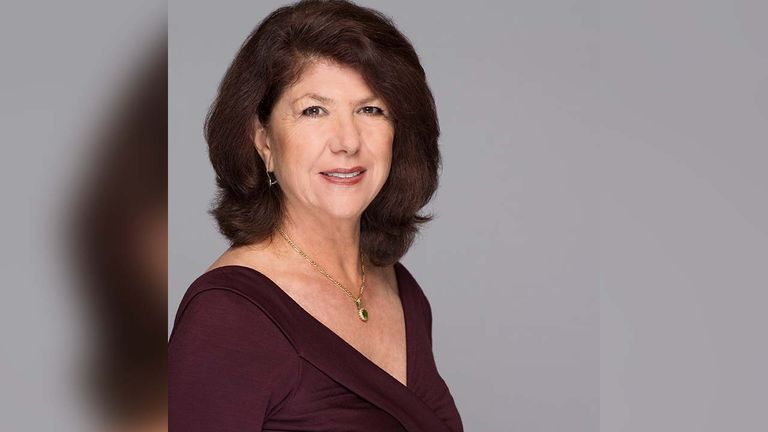 Pauline Sheldon, a professor emerita of University of Hawaii School of Travel Industry Management
Credit: 2020 Tracy Wright CorvoIsland destinations share a camaraderie that the rest of the world can learn from, Sheldon says.
“Just like in the human body, the goal is for robust circulation,” she said. “Islands must create networks and hubs for rebuilding and redefining the visitor experience.”
Calling tourism “a people industry,” Sheldon encourages collaboration between visitors, residents and tourism employees to make sure each destination proceeds in a sensitive fashion.
“Yes, we need economic policies, but it’s vital that we build links, focusing on our community, our culture and our traditional values,” she said. “Those links will be our safety net.”
Read more from TravelAge West about the COVID-19 outbreak.
