Like other destinations worldwide, tourism in Hawaii has been sidelined by the coronavirus. Eventually the state will reopen to visitors, but to do so successfully, it must play to its strengths, according to Dr. Peter Tarlow, an international travel and tourism security expert.
Tarlow, from SaferTourism.com, recently shared his insights into Hawaii’s visitor industry in the wake of COVID-19. He also offered advice on how the destination can best move forward.
Turn Challenges Into Opportunities
Tarlow admits that he has no crystal ball for projecting when Hawaii will be able to welcome back visitors. He does say, however, that its far-flung location presents a unique challenge.
You can't drive there from other states, nor can you drive from one Hawaiian island to another. So, Hawaii needs to create new concepts and make compromises to succeed.
“I don't think we're going to see long-haul travel for a while, and that will be an issue for Hawaii,” Tarlow said. “You can't drive there from other states, nor can you drive from one Hawaiian island to another. So, Hawaii needs to create new concepts and make compromises to succeed.”
During this holding pattern in travel, Hawaii’s leadership must decide what it wants tourism to look like in the future. Tarlow says that over the years, the islands have morphed from a predominantly luxury getaway to a place for many types of trips, including short-term, more affordable vacations.
RELATED: Hawaii Leaders Rethink the Model During This Tourism Pause
“The coronavirus presents Hawaii with an opportunity to redefine itself,” Tarlow said. “Its officials shouldn’t make any fast decisions. They should take time to think things through and rely on data-driven research and clear ideas.”
Innovation is equally important during the rebuilding of its tourism industry.
“Hawaii should experiment with out-of-the-box ideas and creativity,” he said. “It's a form of marketing and salesmanship to show you're willing to make changes.”
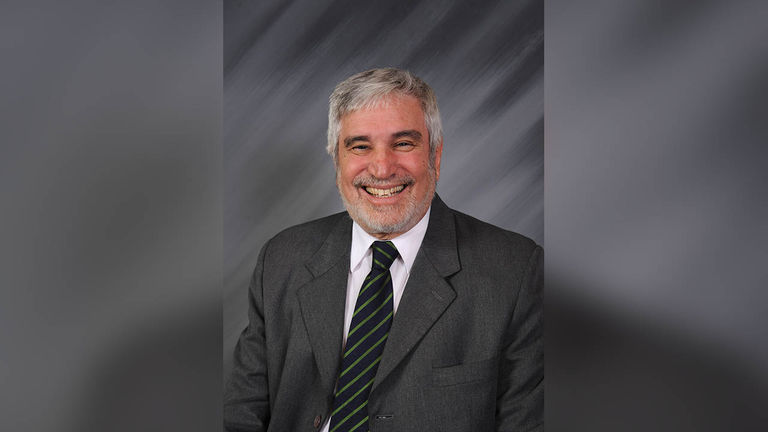 Tourism security expert Dr. Peter Tarlow encourages positivity and creative thinking during the rebooting of Hawaii's visitor industry.
Credit: 2020 SaferTourism.comAccentuate the Positive
Tarlow likens tourism to the human body; if one part doesn’t work, none of it works. For that reason, Hawaii’s people must collaborate in order to establish guidelines for every aspect of its travel industry.
“Helping each other is essential, so that the destination can present the total picture,” Tarlow said.
In addition, Hawaii has to provide current, accurate visitor information so that travelers know what to expect.
“It’s critical to create protocols for every part of a trip, from the time a traveler leaves home until he returns,” Tarlow said.
RELATED: 6 Key Safety and Hygiene Protocols From the U.S. Travel Association
“Hawaii needs to answer questions such as, ‘Can visitors go outside? What are restaurant regulations? What does the quarantine mean for arriving visitors? What happens if a visitor gets sick in Hawaii?’” He said. “That way, when tourists show up, everyone’s on the same page.”
According to Tarlow, Hawaii must keep its guidelines as user-friendly as possible. The more complicated the protocols, the less likely they'll be followed.
As part of its messaging, Hawaii should express a sense of hope.
“Tourism is based on positivity,” Tarlow said. “If you're not positive, your clients certainly won't be.”
Spread the Aloha
A longtime advocate for the Aloha State, Tarlow sees Hawaii’s singularity as its greatest advantage.
Reciprocity and love are what Hawaii is all about. It’s important to capitalize on that. Without it, you destroy the essence of Hawaii tourism.
“Hawaii is different, not only from other destinations, but from island to island and community to community,” Tarlow said. “Hawaii needs to celebrate those differences.”
As Hawaii mulls over its approach to tourism, Tarlow hopes it will focus on its concept of aloha — from its innate beauty and hospitality to its history and heritage.
“Hawaii isn’t just another beach resort; it boasts a unique culture, with its own language, music, dancing and so on,” he said. “It’s almost like its own country, and that makes it a special place. Reciprocity and love are what Hawaii is all about. It’s important to capitalize on that. Without it, you destroy the essence of Hawaii tourism.”
The Details
SaferTourism.com
www.safertourism.com
